
Last updated November 15, 2026
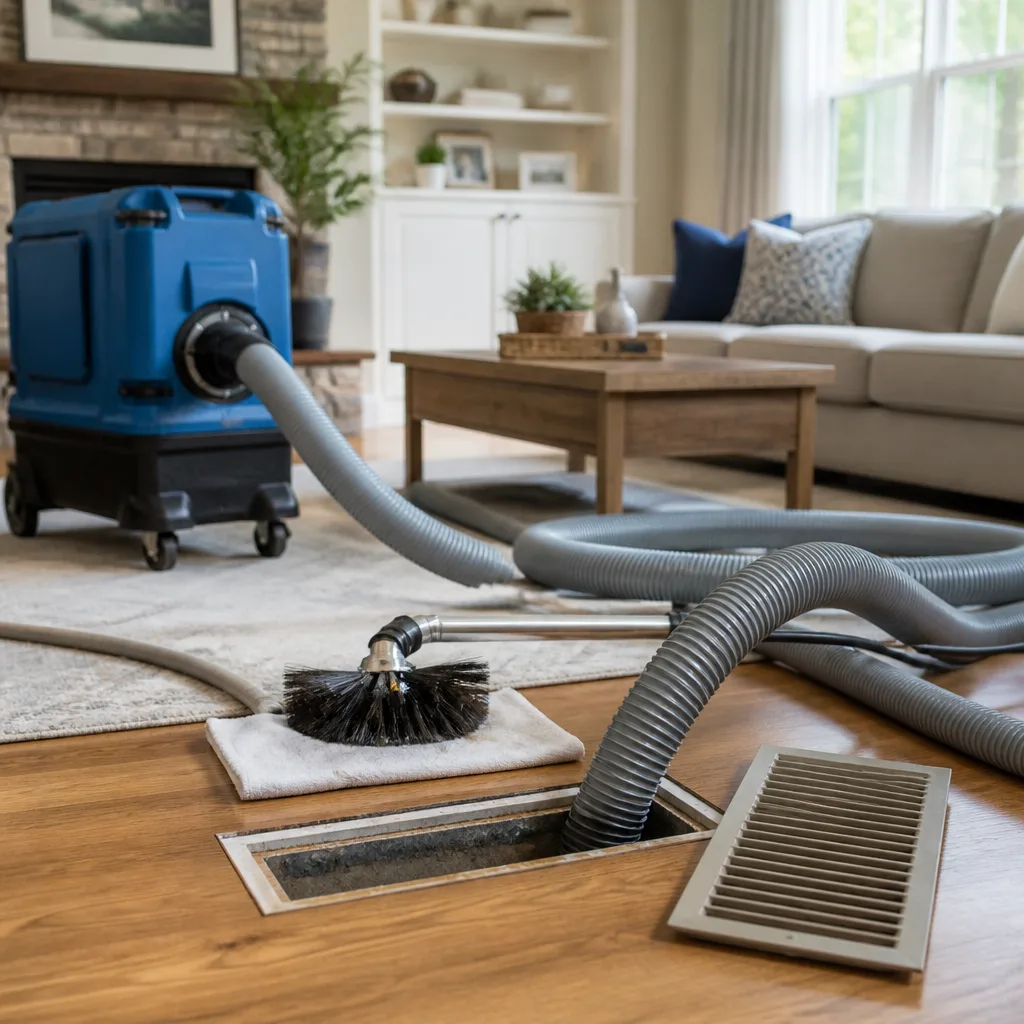 Whole-home duct cleaning
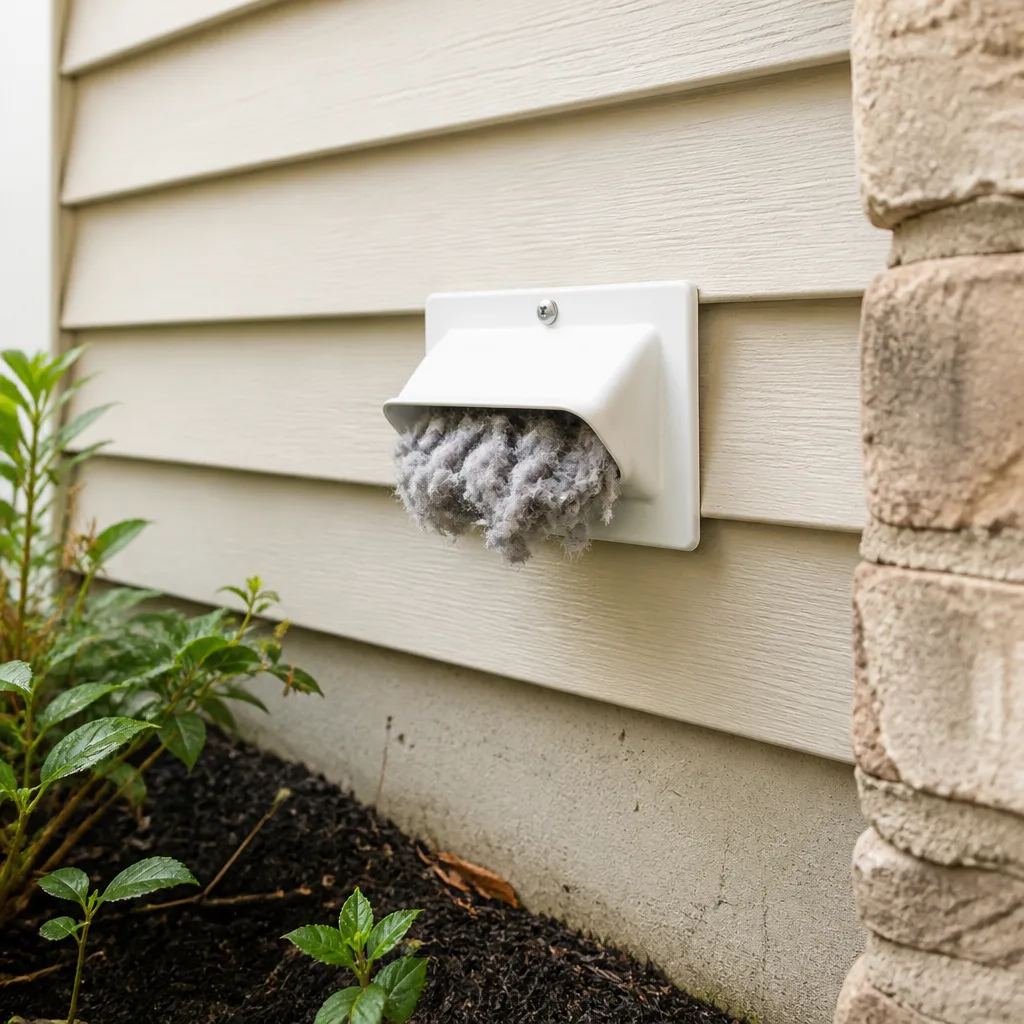 Dryer vent cleaning
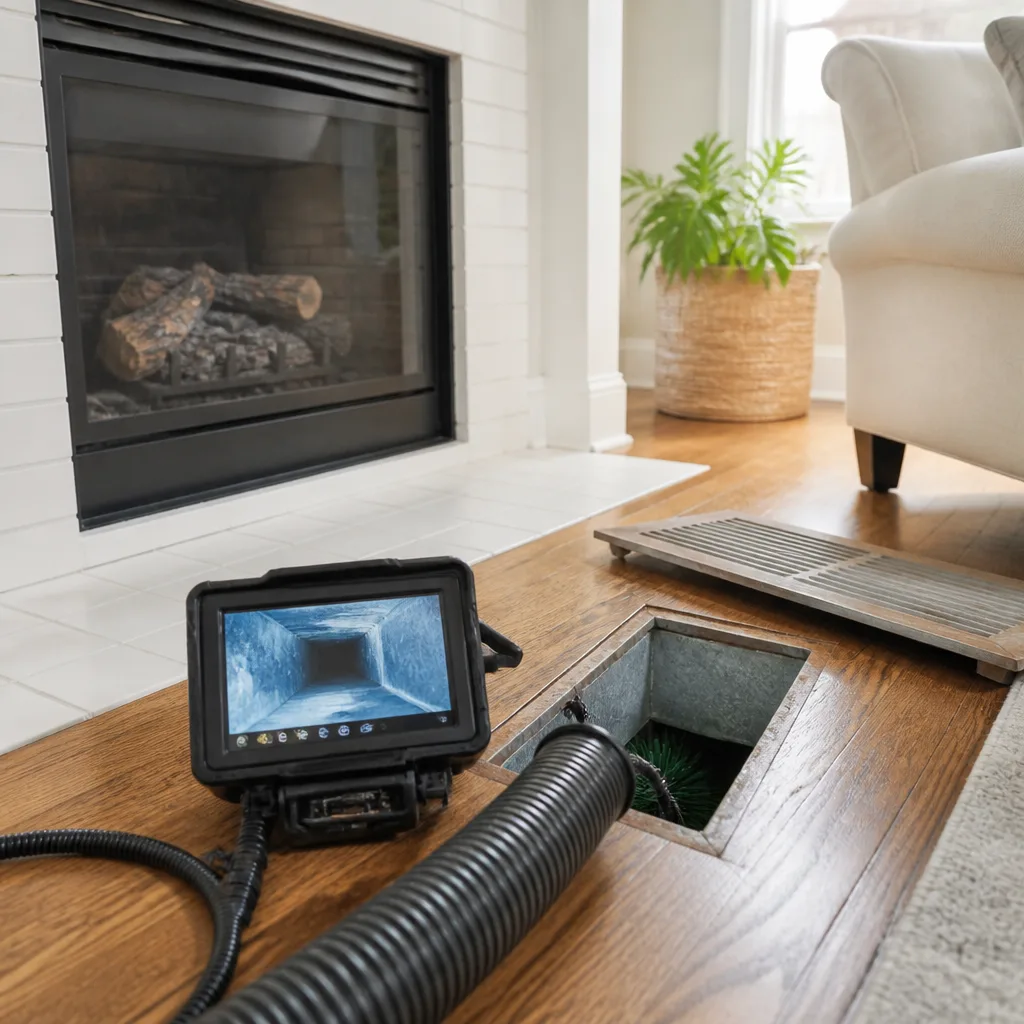 Camera inspection
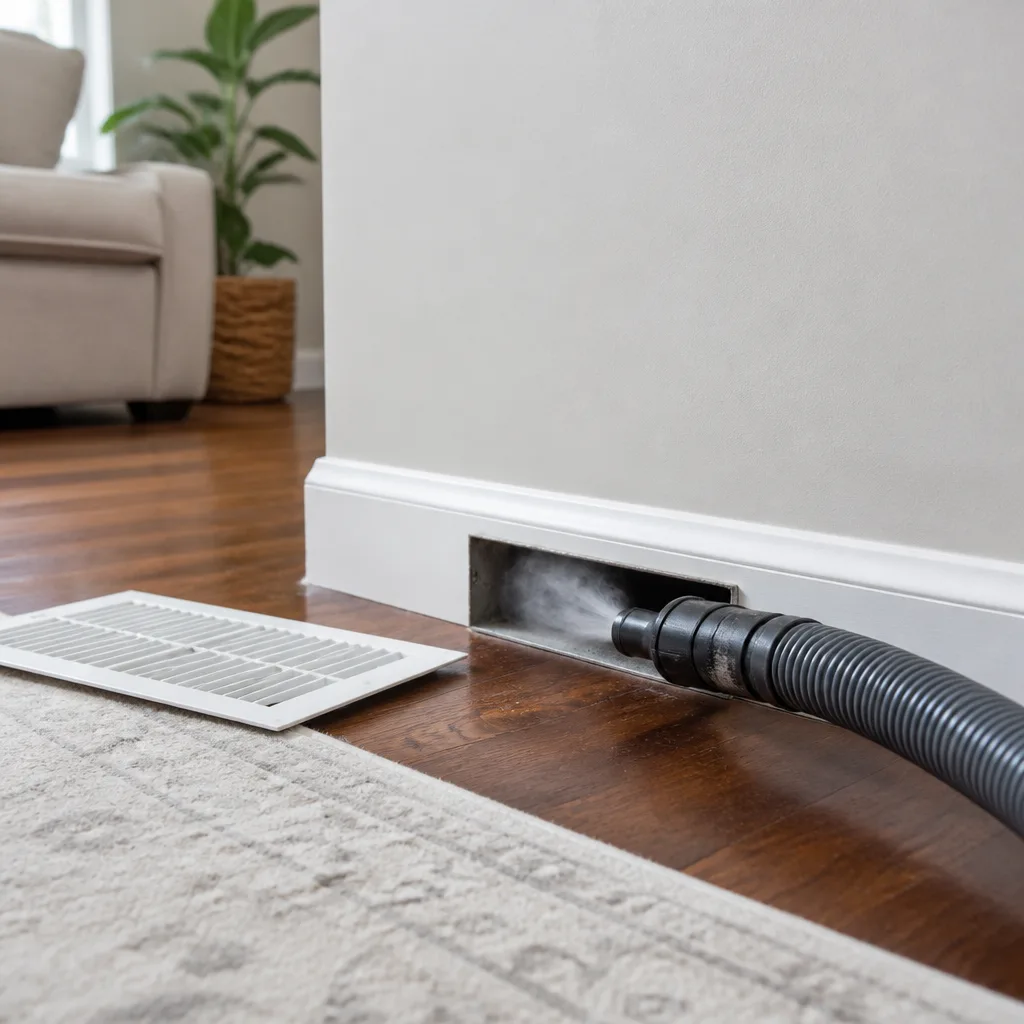 Sanitizing & deodorizing
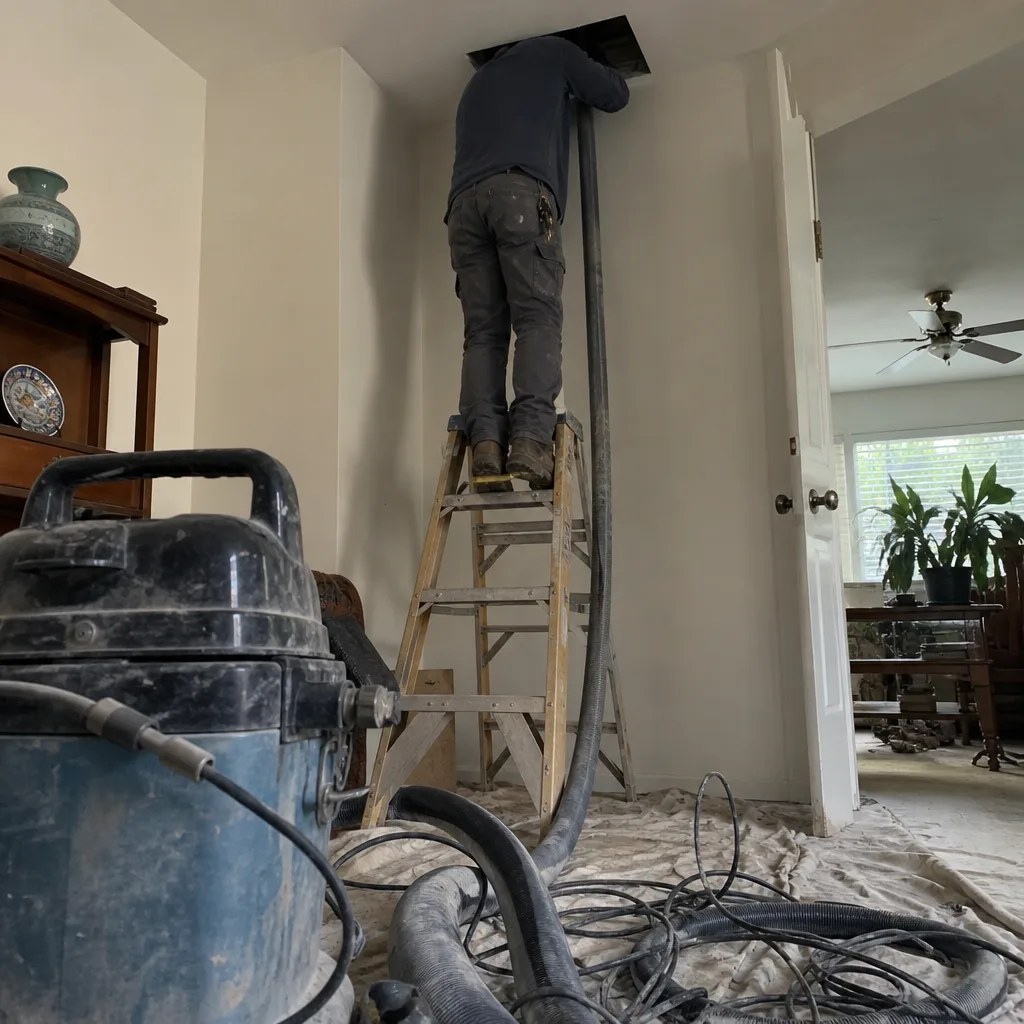
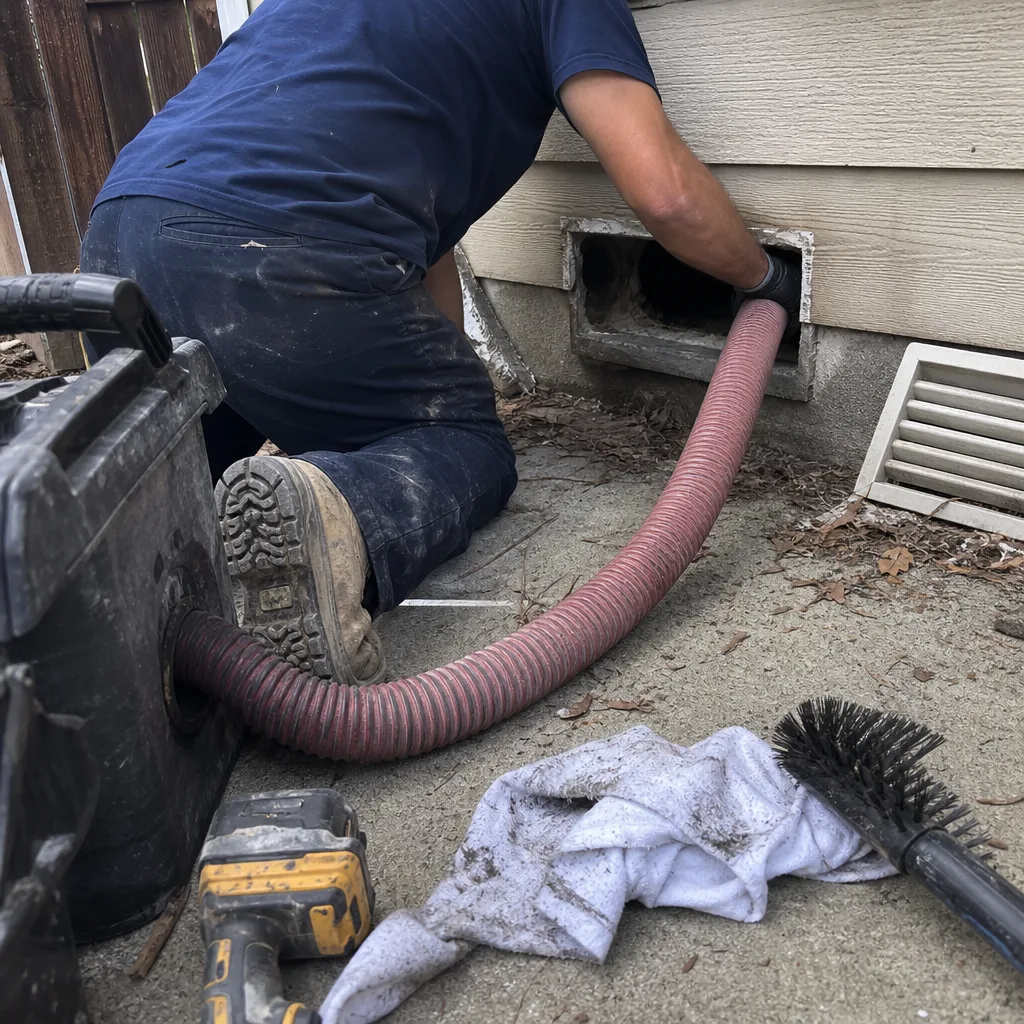
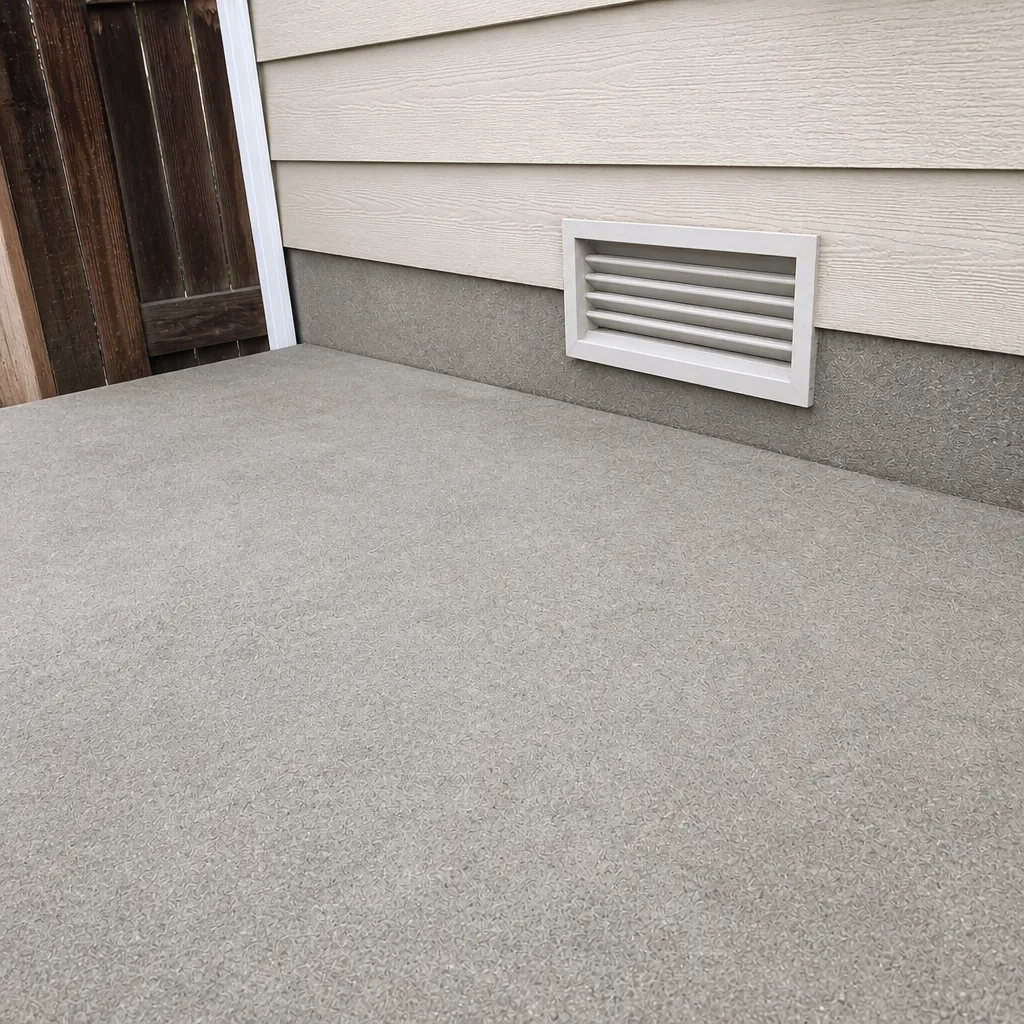
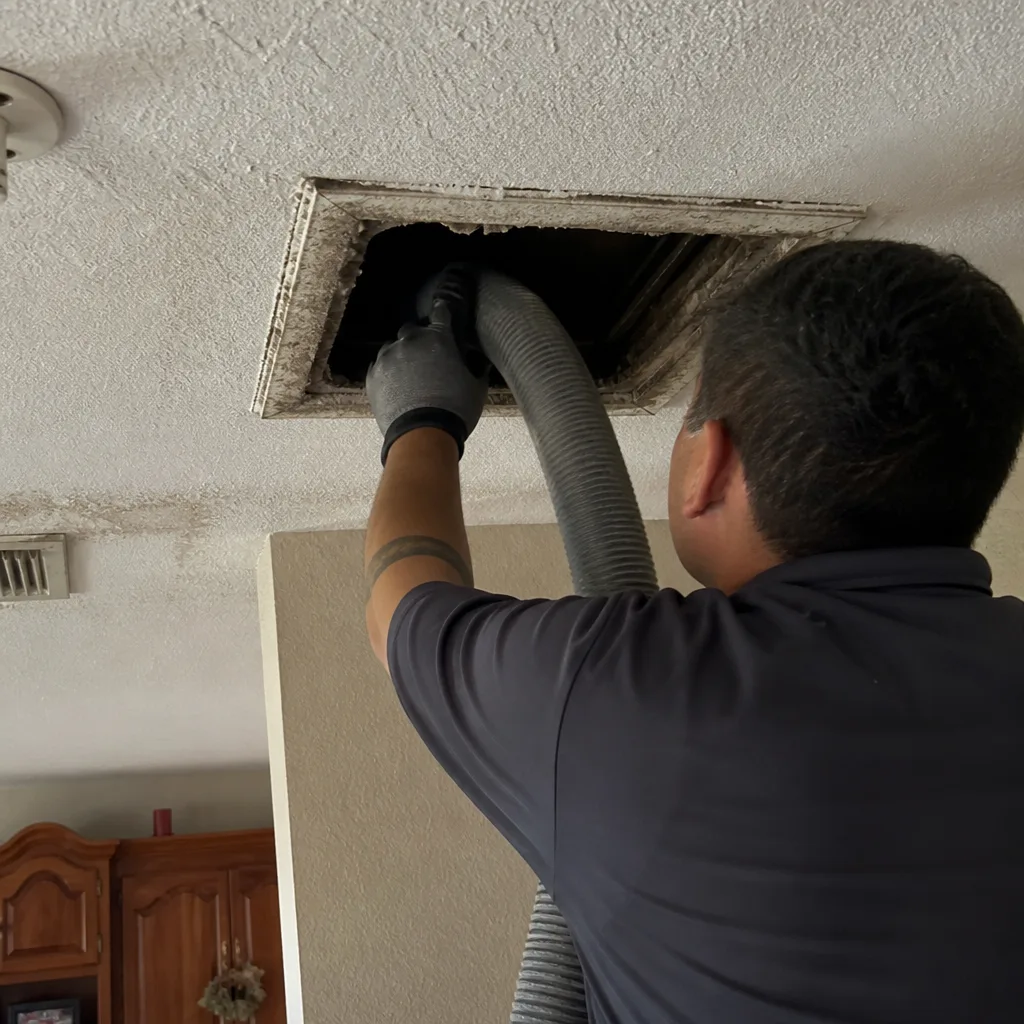
Whole-system duct and dryer vent check with before-and-after photos - you see exactly what came out of your vents
That "$99 whole-house special" is a bait ad - the real number appears once they are in your hallway, or the "clean" is a shop-vac at the register. We photograph the inside of your ducts before and after instead.
Air Duct Cleaning Permits, Codes & Inspections in Modesto, CA: What You Need to Know
Most homeowners assume duct work is duct work, and that the only question worth asking is whether the technician shows up. Here’s the part that surprises people: a routine duct cleaning in California generally doesn’t require a permit, but the moment someone cuts a new access panel into your ductwork, seals a breach, or replaces a section of duct, the rules change. That’s the line between a cleaning and a mechanical alteration under the state code, and most duct services never explain where that line sits. This guide walks through the California Title 24 mechanical provisions that apply to duct systems, when Modesto’s building department actually gets involved, what contractor classification authorizes duct repair, and how to check what was done to your ducts before you owned the house.
Quick Answer
In Modesto, CA, routine air duct cleaning does not require a building permit because it’s maintenance, not construction. Duct repair that involves cutting access openings, replacing rigid duct sections, or altering the sealed duct system generally falls under California’s mechanical code (Title 24, Part 4) and may require a permit from the city’s building department. Any duct repair work must be done by a properly licensed contractor, typically a C-20 HVAC contractor under CSLB classification, and unlicensed cleaning companies cannot legally perform repairs.
Styles & brands we work with
- Whole-home duct cleaning
- Dryer vent cleaning
- Camera inspection
- Sanitizing & deodorizing
Table of Contents
- Where Does the Permit Line Actually Fall?
- What California Title 24 Part 4 Says About Duct Access, Sealing and Repair
- When Does Modesto Require a Building Permit for Duct Work?
- What a C-20 HVAC License Authorizes (And What It Doesn’t)
- How to Pull a Permit History on Your Duct System
- PG&E Duct Sealing Rebates and the Documentation Trap
- What an Inspection Actually Checks
- Common Mistakes to Avoid
- When to Call a Professional
- Frequently Asked Questions
Where Does the Permit Line Actually Fall?
The confusion starts because “duct work” covers three very different scopes of activity, and they don’t share the same legal treatment. Cleaning removes debris. Repair modifies the physical system. Replacement builds new. The first almost never triggers a permit. The second is where homeowners get caught. The third almost always does.
Here’s how the three break down in practice:
- Cleaning: Negative-air extraction, rotary brush agitation, and mechanical removal of debris from inside existing ducts. No structural change to the system. No permit. No alteration to the sealed envelope.
- Repair: Patching holes, re-sealing disconnected joints, replacing flexible duct runs between rigid sections, cutting new access panels. This is mechanical work under the code. Depending on the scope, it may or may not require a permit from the city, but it always requires a licensed contractor.
- Replacement: Swapping out a rigid trunk line, rerouting a main run, reconfiguring the duct layout. This is construction. A permit is almost certainly required.
Where a Modesto homeowner usually runs into trouble is the middle category. A duct technician cleaning the system discovers a disconnected trunk and offers to “patch it while we’re here.” If that patch involves cutting a new access panel or sealing a substantial breach, the question isn’t whether it needed doing. It’s whether the person doing it is licensed to perform that work and whether the city considers it permit-worthy. Most homeowners never ask. In our experience, they should.
The distinction matters because duct systems are part of the building’s mechanical infrastructure, not a removable accessory. Once you alter the sealed envelope, you’re inside the mechanical code, and the code has opinions about how that alteration has to look.
If your ducts are being cleaned by an unlicensed operation, the technician on-site may not have the authority to perform repair work, and if there’s a mechanical problem discovered mid-cleaning, the right answer is to schedule a licensed repair as a separate scope. If your ducts need repair and cleaning together, air duct cleaning and repair performed by a single licensed crew avoids the scheduling gap.
What California Title 24 Part 4 Says About Duct Access, Sealing and Repair
California Title 24, Part 4 is the state’s mechanical code, and it governs how duct systems are built, sealed, accessed and repaired. You don’t need to read it cover to cover to understand what matters for a duct service call, but knowing the core provisions helps you ask the right questions of anyone crawling into your attic or crawlspace.
The provisions that recur in duct work:
- Duct sealing requirements: The code requires duct systems to be sealed at all joints, seams, and connections to limit air leakage, particularly where duct runs pass through unconditioned space like attics and garages. In Modesto, where summer attic temperatures swing well above 140 degrees, unsealed or poorly sealed ducts leak conditioned air faster than a duct system in a milder climate.
- Access provisions: The code requires accessible points for cleaning and inspection at specific locations, typically including the plenum and main trunk lines. A technician who needs to cut an access panel to clean or reach a section is not simply “opening a hole” – that opening needs to be constructed and sealed to the standard the code requires once the work is done.
- Repair standards: Repairs must restore the system to a sealed, functional state. Tape-and-mastic aren’t interchangeable; the code specifies materials appropriate to the duct type. A patch that uses the wrong material on the wrong duct fails the standard regardless of whether it looks sealed.
- Prohibited uses: Certain duct materials are limited or prohibited for specific applications. Flexible duct has its own installation standards. The reason this matters during repairs is that a homeowner may not know what was used to patch a duct five years ago, and a licensed technician has to bring it up to current code when they open it.
Title 24 Part 4 works alongside the California Energy Code (Title 24, Part 6) for duct insulation and leakage in conditioned spaces, and the two don’t always align in the way a homeowner might expect. In duct repair work, the mechanical code sets the physical standard, and the energy code sets the efficiency standard. Both can apply to the same repair.
What this means for a Modesto homeowner is straightforward. If a duct service ends with a cut panel and a taped seal, that work has mechanical code obligations whether or not anyone pulled a permit. Ask what material was used and why. Ask if the seal meets code. A licensed technician can answer both. If they can’t, the work shouldn’t have been done that way.
When Does Modesto Require a Building Permit for Duct Work?
The city of Modesto issues building permits through its Community and Economic Development department, and the threshold question for duct work depends on the scope of what’s being done. Cleaning alone does not require a permit under any reading of the code. The permit question enters the moment the work involves construction or alteration of the mechanical system.
Here’s a working guide to the thresholds as they apply to duct services:
- Straightforward cleaning: No permit required. Cleaning removes debris from existing ductwork without changing the system. This is the bulk of what most homeowners need.
- Sealing existing joints and connections: Usually no permit required if it’s maintenance-level sealing of joints that were previously sealed and are now leaking. Confirm with the city if the scope is ambiguous.
- Minor repair (small hole, disconnected flex run): May or may not require a permit depending on the scope and whether new access needs to be created. The contractor should know the threshold and tell you honestly.
- Cutting a new access panel: This modifies the duct system’s envelope and is construction-adjacent. In many cases permits are required; even when they aren’t, the panel must meet code standards for access and sealing.
- Replacing a section of rigid duct: This is mechanical work on the building’s system and typically requires a permit. Ask before the technician arrives.
- Full duct system replacement or rerouting: Permit required, plus inspection of the completed work.
The honest answer for any Modesto homeowner is this: the permit depends on the scope, and the only way to know is to ask the building department directly with a specific scope in hand. Call them before the work starts, not after. The department’s staff can tell you in a short conversation whether a specific repair requires a permit.
One thing that helps: ask the contractor to describe the scope in writing before starting. If the written scope says “cut two access panels and replace four feet of disconnected rigid trunk,” the building department can tell you in one call whether that’s permitted work. If the scope is vague (“repair as needed”), you can’t get a clean answer from anyone.
For a deeper look at how we handle duct work in this region and what typically gets found, our page on Modesto covers the local picture in more detail.
What a C-20 HVAC License Authorizes (And What It Doesn’t)
The California State License Board classifies contractors by trade, and duct repair work falls under the C-20 Warm-Air Heating, Ventilating and Air-Conditioning classification. A C-20 license authorizes the licensee to install, modify, and repair warm-air heating, ventilating, and air-conditioning systems, including the ductwork those systems rely on.
What this means in plain terms:
- A C-20 licensed contractor can design, install, repair, and replace duct systems, and can pull the permits required for that work.
- A licensed general contractor (B) or specialty HVAC contractor may perform duct work within their classification scope, though most duct-specific work falls under C-20.
- An unlicensed cleaner can perform cleaning. That’s it. They cannot contract for repairs, they cannot cut access panels as part of a repair, and they cannot pull permits. If they do, they’re working outside the law.
- A “handyman” joker license or unlicensed operator is limited by the CSLB’s $500 labor-and-materials threshold for unlicensed work. Duct repairs above that threshold require a licensed contractor, full stop.
Here’s the detail most duct cleaning companies don’t volunteer: if duct repair work is performed in a way that violates the mechanical code, or by an unlicensed person, your homeowner’s insurance carrier may treat related HVAC claims differently. A claim for water intrusion or air quality damage that traces back to improper duct repair can be denied because the work that caused the problem wasn’t done to code by a licensed contractor. That’s not a scare tactic; it’s how standard policy language on unpermitted work tends to read. If you’re hiring a Modesto duct company for anything beyond cleaning, ask for the CSLB license number and verify it on the CSLB website before they show up. It takes two minutes and it’s free.
We work only on the duct system itself and the cleaning and repair scope our license classification covers. We’re not pretending that a duct cleaning company can do everything an HVAC contractor can. What we can do is clean the system, perform licensed duct repair, and clean dryer vents under the appropriate scope, which is all most homeowners need from a single visit. If a job crosses into work we don’t handle, we say so.
How to Pull a Permit History on Your Duct System
If you’ve owned your Modesto home for less than a decade, or if you inherited a house where previous owners made changes, pulling the permit history is one of the most useful things you can do before scheduling any major duct work. It tells you what’s been done, what was permitted, and what might be a quiet problem waiting to surface.
Here’s the process, in order:
- Go to the city of Modesto’s building department portal. The Community and Economic Development department maintains a permit search tool for property records. The portal is searchable by address or parcel number.
- Search by property address. Enter the full street address, including the direction and street type, to get an accurate match. Records for the same property may be filed under slightly different address formatting, so try variations if the first search comes up empty.
- Look for mechanical permits. Filter or scroll for permits classified as mechanical, HVAC, or duct work. Look at the dates, the contractor of record (if listed), and the permit description.
- Note the inspection status. A permit that was pulled but never inspected is a red flag. Finalized inspections mean the work was at least reviewed by the city, even if it wasn’t perfect. Unpermitted work sometimes shows up as a permit that was voided or never closed.
- Compare permit history to what you know about the house. If a duct system looks newer than the rest of the house but there’s no permit record for the install, that’s worth flagging before you do anything else.
- Call the building department with questions. If a permit is open or unpermitted work shows up, the staff can explain what the current owner’s obligations are. Sometimes they’ll tell you the work was minor enough that no permit was ever required. Sometimes they’ll tell you a permit needs to be pulled now.
Modesto’s older housing stock makes this especially relevant. Many mid-century homes in neighborhoods across the city were built with duct systems that have been modified at least once since construction. A permit history search tells you how those modifications were handled at the time. If you find unpermitted duct work that’s already caused real problems, the inspection process is the next step.
If the history search turns up nothing and the ducts look fine, that’s a good outcome. Not every home has a record problem. But given how common unpermitted duct work is in this region’s older homes, checking is cheap insurance against inheriting someone else’s problem.
PG&E Duct Sealing Rebates and the Documentation Trap
PG&E offers rebates for duct sealing and duct replacement in existing homes, but the rebate isn’t automatic. It requires specific documentation, specific contractor qualifications, and a specific testing protocol. Homeowners who have duct sealing done by an unqualified crew find out about the trap the hard way: the work is done, the ducts are sealed, and the rebate is denied because the contractor doesn’t meet the program’s requirements.
The requirements that matter:
- Contractor qualification: PG&E rebate programs require the contractor to be enrolled in the program and to hold the appropriate licenses. Duct sealing rebates typically require a participating contractor with a valid C-20 or B license. A duct cleaner without those credentials can’t qualify the job.
- Pre- and post-testing: The rebate requires documentation of duct leakage before and after sealing, measured using a duct leakage test (a calibrated fan test). Without those test results, the rebate cannot be processed.
- Written documentation: The contractor submits the documentation on your behalf or provides it to you for submission. Without proper paperwork, the rebate doesn’t come through.
- Permit history: Some rebate programs require the duct work to be permitted where required. Unpermitted work has a way of disqualifying rebate submissions.
The trap is that unlicensed duct cleaning companies often advertise “sealing” as part of their service without being able to deliver the documentation PG&E requires. The work may look done. The rebate won’t come. If your goal is to capture the rebate, the sequence is this: confirm the contractor’s PG&E program participation and license before work starts, get the testing documentation arranged, then have the work done. Don’t reverse the order.
Sealing ductwork in a Modesto home has more than a rebate on the line. The dry summer climate and the swings between daytime highs and evening lows mean a leaky duct system dumps conditioned air into the attic or crawlspace at a rate that shows up on the utility bill month after month. Duct sealing is one of the more effective ways to address that, and the rebate helps on the front end. The documentation requirement is real. Plan for it.
What an Inspection Actually Checks
If a permit has been pulled for duct repair or replacement, an inspection by the city’s building department follows the completed work. The inspector isn’t checking what the inside of your ducts looks like. They’re checking that the work matches the permit scope and meets the mechanical code.
What the inspection covers:
- Construction matches permit scope. The inspector verifies the work was done as described on the permit application.
- Sealing standards. Joints, seams, and connections are checked for proper sealing materials and methods under the mechanical code.
- Access provisions. If access panels were cut, they’re checked for size, location, and sealing around the opening.
- Materials. Duct materials and insulation are checked against the requirements for the application.
- Support and routing. Duct runs are checked for proper support, clearances, and routing without improper obstructions.
- Final sign-off. Once passed, the permit is finalized, and the record stays with the property for future reference.
The inspection doesn’t cover whether the ducts were cleaned properly. That’s a different standard, and it’s why duct cleaning companies operate under a professional association standard (usually NADCA’s ACR standard) rather than a municipal one. Cleaning standards are voluntary; mechanical code compliance is not.
For a Modesto homeowner, the inspection process is the simplest way to know that duct repair work was done to code. If your contractor pulled a permit and the inspection passed, the work is on record and verifiable. If the contractor didn’t pull a permit, you’re relying on their word alone. Ask the question before work starts, not after.
Common Mistakes to Avoid
- Assuming duct cleaning needs a permit. It doesn’t. Cleaning is maintenance, and any company quoting you a “permit fee” for cleaning is padding the bill. Cleaning is not permitted work in Modesto or anywhere else in California.
- Letting an unlicensed cleaner perform repairs. The spring-loaded offer to “patch that while we’re here” from an unlicensed operator is a problem, not a courtesy. If they cut, seal, or replace duct in a way that requires a license, the work is illegal and can complicate insurance claims later.
- Skipping the permit history search. In Modesto’s older neighborhoods, duct systems have often been modified without record. Before major work, pull the permit history. It’s free and it takes minutes.
- Having duct sealing done by a non-participating contractor and expecting the PG&E rebate. The rebate hinges on contractor qualifications and pre/post test documentation. Verify both before work starts.
- Accepting a verbal scope of work. Get the repair scope in writing before any cutting happens. “We’ll see what we find” is not a scope, and you can’t confirm permit requirements without one.
- Assuming a taped joint is sealed to code. Duct tape on a proper seam is not the same as code-compliant sealing. Mastic and mesh are what the code expects in most applications, and a taped patch isn’t always either.
- Calling the building department after the work is done. If the work should have been permitted, finding that out after the fact means paying for the permit twice (once for the work, once for the inspection of the work already installed). Call first.
When to Call a Professional
Some duct issues are inspection and cleaning calls. Others need a licensed repair scope. The scenarios below are the ones that clearly need a professional, not a DIY fix or a general-purpose handyman:
- Any visible breach, tear, or disconnection in the duct system
- New access panels needed to reach a section of duct
- Rebuilding or replacing a section of rigid duct
- Dryer vent cleaning where lint accumulation or a long vent run is a fire risk
- Sealing work where PG&E rebate documentation is needed
- Cleaning where moisture, mold, or pest intrusion is suspected inside the ducts
We handle three scopes as a company: air duct cleaning, dryer vent cleaning, and duct repair. Dryer vent cleaning is a fire-prevention service, not a convenience add-on; lint buildup inside a vent run is one of the leading causes of residential fires, and it doesn’t clear itself. Our crews work with Rotobrush rotary brush systems and Nikro negative-air machines, the same professional-grade equipment used on commercial and industrial jobs, and we use Abatement Technologies containment systems where air quality work calls for it. For indoor air quality at the vent stage, we work with Aprilaire and Honeywell components. Our technicians have up to 13 years of experience, and every job ends with a written scope of what was found and what was done.
Duct Cleaning Modesto offers free estimates in Modesto. Call (866) 256-3971. We answer 24/7. Fast dispatch from 7am to 7pm, Sunday through Friday.
Frequently Asked Questions
No. Routine air duct cleaning is maintenance work and does not require a building permit in Modesto or anywhere else in California. Permits apply to mechanical alterations and repairs, not to cleaning that removes debris from existing ducts. If a company tells you a permit is needed for cleaning alone, that’s a red flag.
Duct repair requires a permit when the scope involves cutting new access panels, replacing a rigid duct section, or otherwise altering the mechanical system in a way the city classifies as construction. Small maintenance-level repairs (resealing a joint, patching a small hole) may not require a permit, but the only way to know for sure is to call Modesto’s building department with a specific scope. Ask before work starts.
No. Duct repair falls under the C-20 Warm-Air Heating, Ventilating and Air-Conditioning classification, and work above the CSLB’s unlicensed labor threshold requires a properly licensed contractor. An unlicensed cleaner can perform cleaning. They cannot legally perform repair work, pull permits, or sign off on sealed and code-compliant duct repairs.
It can. Insurance policies generally treat claims stemming from unpermitted or improperly licensed work differently than claims from code-compliant, permitted work. If a duct repair causes a related HVAC problem, the policy may deny the associated claim on the grounds that the work wasn’t done to code. Verify the contractor’s CSLB license before work starts.
Search the city of Modesto’s building department portal by property address. Look for mechanical or HVAC permits, and check the inspection status on each one. If a permit was pulled but never finalized, or if a duct upgrade has no permit record at all, that’s worth a conversation with the building department before proceeding with new work.
Yes, if the work meets the program’s requirements. The rebate typically requires a participating licensed contractor (C-20 or B classification), pre- and post-work duct leakage test documentation, and proper paperwork submission. Duct sealing performed by an unqualified contractor disqualifies the rebate, even if the sealing itself was done. Confirm program participation and documentation requirements before the work starts.
The Bottom Line
Duct cleaning itself is a maintenance task and sits outside Modesto’s permit process. Duct repair and replacement sit inside it, governed by California Title 24 Part 4 and requiring a C-20 licensed contractor. The line between the two scopes is where homeowners get surprised, usually by an unlicensed cleaner offering to “fix it while we’re here” or by a duct sealing job that quietly disqualifies a PG&E rebate. Pull the permit history on your home’s ducts before major work. Get the scope in writing. Verify the license. Call the Modesto building department with questions about whether a specific repair needs a permit. Those four steps separate a code-compliant duct job from a problem that surfaces years later. For dryer vent cleaning, dryer vent lint buildup is a fire risk that doesn’t wait and doesn’t require a permit, but it does require a professional. For duct work on your Modesto home, start with Duct Cleaning Modesto and let us tell you honestly what scope your project falls into.
Call Duct Cleaning Modesto at (866) 256-3971 for a free estimate. We answer 24/7. Fast dispatch from 7am to 7pm, Sunday through Friday.
Written by the team at Duct Cleaning Modesto.
See the difference
 Before
 After
 Before
 After
 Before
 After