
Last updated November 15, 2026
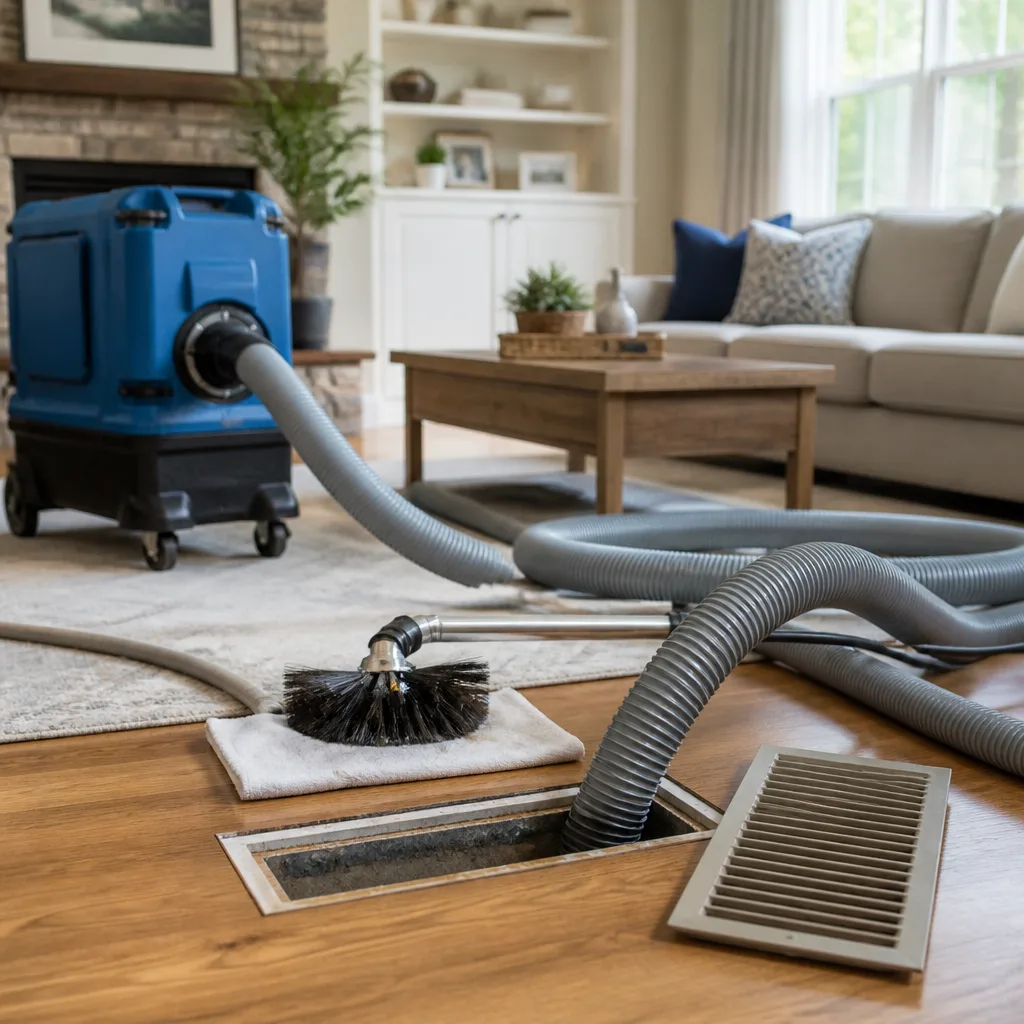 Whole-home duct cleaning
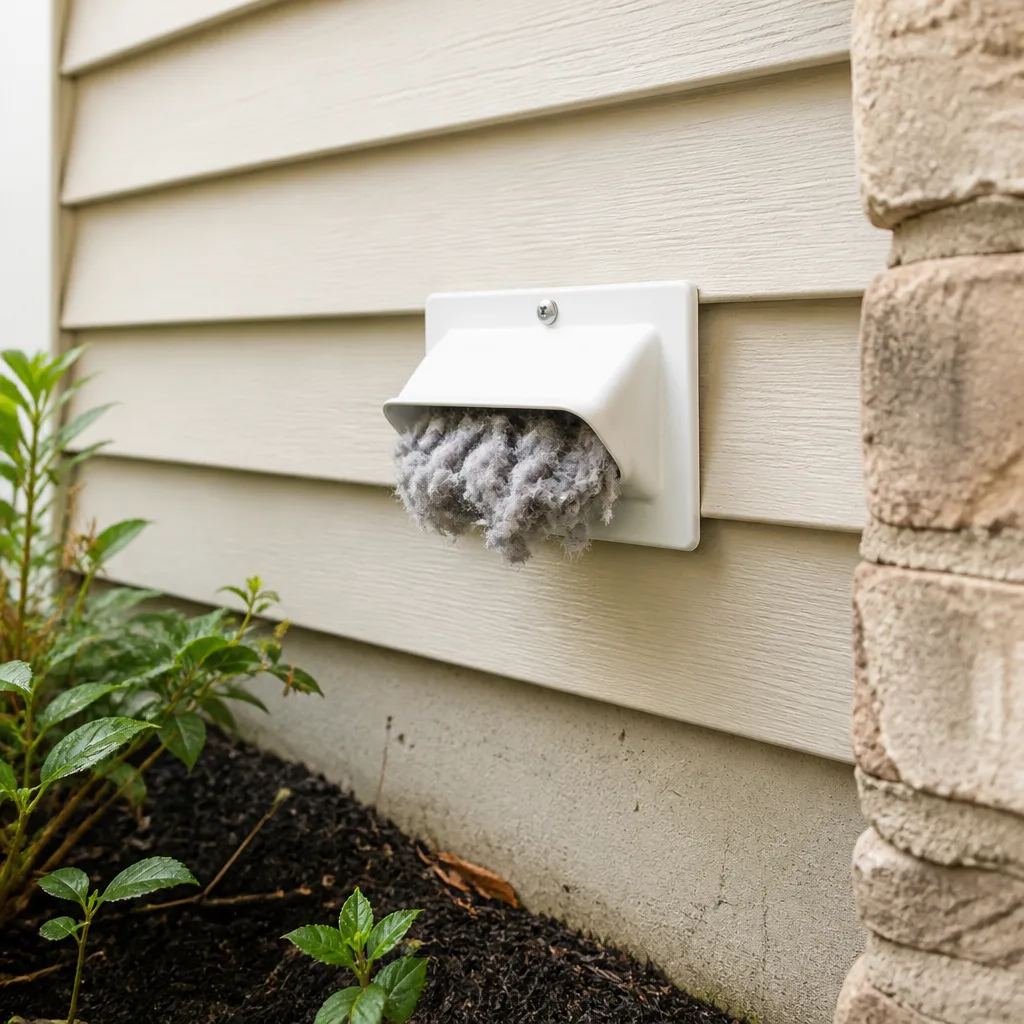 Dryer vent cleaning
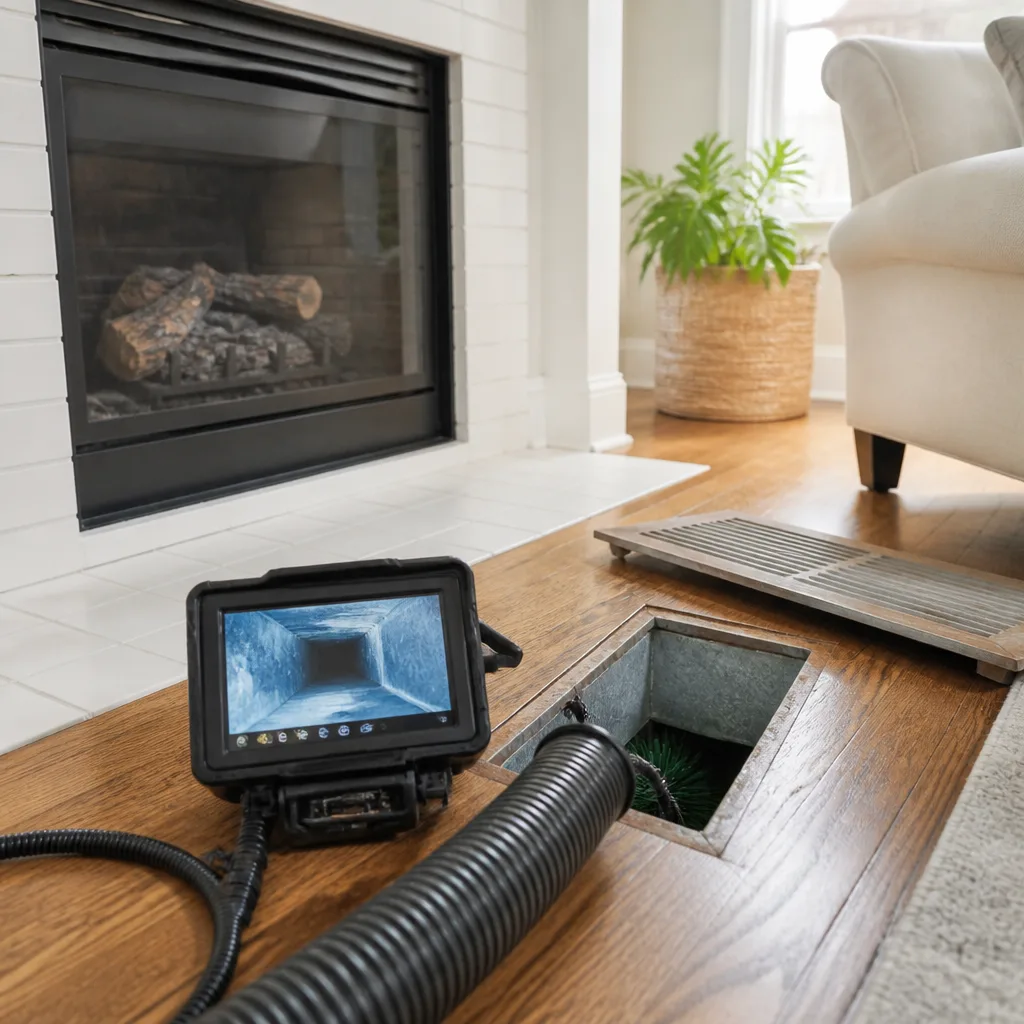 Camera inspection
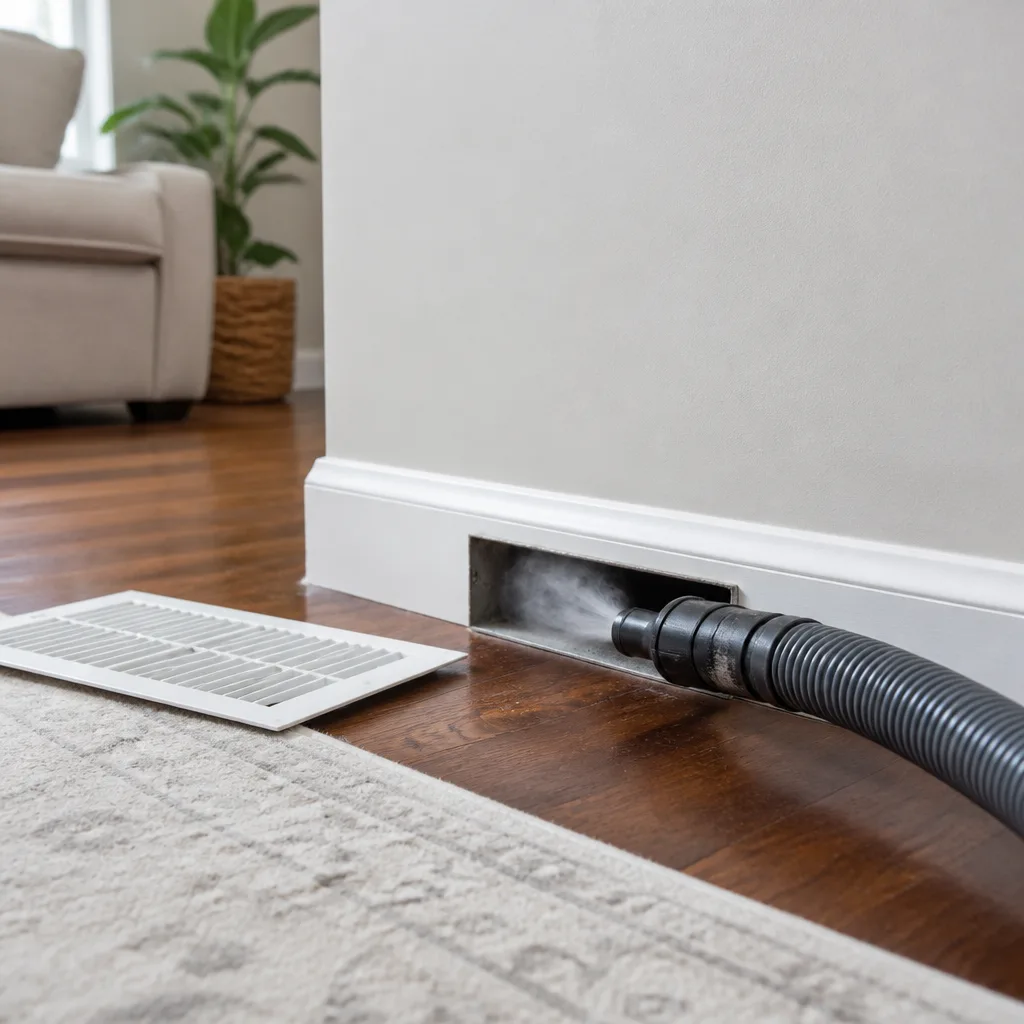 Sanitizing & deodorizing
Whole-system duct and dryer vent check with before-and-after photos - you see exactly what came out of your vents
That "$99 whole-house special" is a bait ad - the real number appears once they are in your hallway, or the "clean" is a shop-vac at the register. We photograph the inside of your ducts before and after instead.
Air Duct Cleaning Warning Signs: A Modesto Homeowner’s Reference Guide
Visible dust on supply registers is a late-stage warning sign. By the time you’re wiping grime off the vent covers, debris has already bypassed the filter and coated the internal duct surfaces for months, sometimes longer. That’s the frustrating part of duct problems: the earliest signals are quiet. A room that runs two degrees warmer than the rest of the house. A faint smell on the first heating cycle of the season. A power bill that climbs when the weather hasn’t changed. This guide walks through the subtle indicators we look for in Modesto homes, the ones that tend to show up 6 to 18 months before a system failure or an air quality complaint becomes impossible to ignore. Early pattern recognition is what separates a routine cleaning from an emergency repair.
Quick Answer
The main warning signs of contaminated or damaged ductwork are uneven room temperatures, a musty or sour smell on system startup, worsening allergy symptoms during time spent indoors, visible sagging or disconnected flex duct in the attic, and an unexplained rise in energy bills during comparable weather. Any one of these is worth investigating. Two or more appearing in the same season points to a duct problem, not just an aging system.
Styles & brands we work with
- Whole-home duct cleaning
- Dryer vent cleaning
- Camera inspection
- Sanitizing & deodorizing
Table of Contents
- Why Dusty Registers Are a Late-Stage Sign
- Uneven Room Temperatures: A Duct Restriction, Not an HVAC Sizing Problem
- Decoding the Smell on First System Startup
- Allergy Symptoms That Worsen Indoors
- What to Look For During an Annual Attic Check
- A PG&E Bill Spike During Similar Weather
- Dryer Vent Warning Signs You Shouldn’t Ignore
- What Professional Duct Cleaning Actually Involves
Why Dusty Registers Are a Late-Stage Sign
When a homeowner notices a gray film on the supply registers, the reaction is usually to grab a rag and wipe it down. That fixes the surface, not the source. Air travels through the entire duct run before it reaches that register, so dust collecting on the grille means the interior of the ductwork has been slowly building a coating for a while. The filter caught some of it. The rest settled on the galvanized steel or the flex duct lining further upstream.
What makes this a late-stage sign rather than an early one is the sequence. In our experience, the early phase looks like nothing at all. The system runs normally. Then you get small warning signs that most people dismiss: a room that heats slower than the others, a light dust haze on the return grille, a faint smell that comes and goes. Only after months of that does the visible buildup appear on the registers themselves.
Here’s the practical takeaway. If you’re wiping down registers more than once a season, the ducts need inspection, not another wipe. That inspection should cover the full system: the return plenum, the main trunk lines, the branch runs, and the boots where the duct connects to the floor or ceiling registers.
What Causes Accelerated Buildup in Modesto
Modesto sits in the Central Valley, where the dry season brings agricultural dust, pollen from trees and grass, and fine particulate from vehicle traffic along the Highway 99 corridor. Homes running the AC for months straight pull that air through the return side continuously. A filter that’s a few weeks overdue starts letting fines past. Those fines are exactly what coats internal duct surfaces.
Uneven Room Temperatures: A Duct Restriction, Not an HVAC Sizing Problem
A bedroom that runs 3 to 5 degrees warmer than the rest of the house in summer is not automatically a sign that the AC is undersized. It usually means air isn’t reaching that room the way it should. Duct restrictions reduce the volume of conditioned air moving into a specific zone, so the room gets less cooling even though the system is working normally at the air handler.
Common causes of a duct restriction:
- Crushed or kinked flex duct in the attic, often from a previous install or from attic work that shifted the run
- Disconnected joints where the branch run meets the trunk, leaking air into the attic instead of into the room
- Closed or blocked dampers at the plenum that were never reopened after a previous service call
- Debris or insulation debris pulled into the duct during an earlier renovation
- Undersized branch runs serving a large room, which limits airflow regardless of cleaning
Here’s what to check first: close the door to the problem room and run the system for 20 minutes. Then feel the supply register. If the airflow is weak or barely noticeable compared to the next room’s register, the issue is likely duct-related. If airflow is strong but the air isn’t cold, the issue is more likely at the equipment side. That distinction tells you which professional to call.
In Modesto’s housing stock, especially older neighborhoods where attics have seen multiple additions or remodels, it’s common to find flex duct that was rerouted around new construction and never checked for kinks. A duct repair visit is often what resolves the temperature imbalance before anyone needs to consider upsizing the AC.
Decoding the Smell on First System Startup
That first smell when the system kicks on is worth paying attention to. But not all startup smells are the same. Each one points at a different source, and the fix is different depending on which one you have.
The Musty, Sour Smell
A musty smell is the hallmark of biological growth. It means moisture is present somewhere in the duct system, and it has been long enough to grow something. In Modesto’s climate, the typical source is condensation inside the ductwork during the cooler months, when the system runs less and air sits. Moisture can also collect in flex duct that was installed without a proper vapor barrier, or near a disconnected joint that lets humid attic air into the insulation.
The Dry, Dusty, Animal-Smell
A smell we’d describe as dry and dusty with an animal-musk undertone typically comes from pet dander that’s built up in the return duct. In multi-pet households, that buildup can become noticeable 12 to 18 months after the last cleaning. It’s not a biological growth smell; it’s concentrated dander and hair particles trapped on the duct lining and re-entering the living space every time the system runs.
The Sharp, Ammonia-Like or Urine Smell
This is the one to take most seriously. A sharp, urine-like smell, especially concentrated near a specific register or along the attic run, is a common signal of rodent activity inside the ductwork. Rodents find their way into attic ducts through gaps at the air handler closet or at penetrations in the ceiling. Droppings and nesting material inside a duct are a genuine air quality and health concern. It’s not a cleaning-only job; it needs inspection and repair of the entry points.
Distinguishing between these three smells is the difference between booking a standard clean and booking a repair or containment-grade job. If you’re unsure which one you have, describe the smell to whoever inspects the ducts. It tells them a lot before anyone opens an access panel.
Allergy Symptoms That Worsen Indoors
If allergy symptoms get worse at home and improve when you’re away, the air inside the house is part of the problem. That’s not a coincidence. The duct system is the delivery route for every particle that gets pulled past the filter, and in a home with contaminated ducts, the return side keeps recycling those particles back into living spaces whenever the fan runs.
In Modesto, the specific particles we see in duct debris fall into a few common categories:
- Tree and grass pollen from the almond, walnut, and oak trees that surround the Central Valley, which enters through return vents during dry season
- Agricultural and soil particulate carried on valley air, particularly during harvest season
- Pet dander and hair that stays airborne only briefly but settles into duct surfaces where it accumulates
- Dust mite debris in homes with higher indoor humidity during the cooler months
- Insulation fibers from deteriorated duct lining or an aging fiberglass wrap
The pattern to watch for is timing, not severity. Allergy symptoms that used to appear only in spring and now run through more of the year. Symptoms that calm down after a day away from home. Symptoms that get worse a few minutes after the AC starts. Any of those patterns point towards the ducts. A cleaning won’t replace allergy treatment, but it does remove the reservoir that keeps the particles circulating.
What to Look For During an Annual Attic Check
Most duct damage happens where you never see it: in the attic. Flex duct is the most common run in Central Valley homes, and it’s also the most vulnerable to damage. Sagging, kinking, torn insulation, disconnected sections, or ductwork compressed flat under attic stored items all reduce the airflow moving into the house, and all of them can develop over months without anyone noticing.
Once a year, take a look. This is a quick visual check, not a repair, and you should never move insulation or handle the ducts yourself. If the attic is too cramped or too hot to enter safely, call a professional.
- Look at the shape of the flex runs. The duct should hold a near-round cross-section. If a run sags significantly or looks flattened, airflow is compromised.
- Check for visible disconnections. Look where the branch run meets the trunk line. Any gap, loose collar, or missing tape at the joint is a leak.
- Look for torn or peeling duct insulation. The outer wrap should be intact along the full length. Bare duct in a hot attic absorbs heat and loses cooling.
- Watch for sagging metal duct. Older galvanized trunk lines can loosen at their hangers and drop.
- Look for signs of rodent activity near duct penetrations. Droppings, chewed insulation, or gaps at ceiling penetrations are all worth a call.
- Check for moisture or staining. Water stains on the duct wrap or on the attic decking near any duct run are a sign of a leak that needs investigation.
Modesto’s dry-season attic temperatures can reach well over 130 degrees Fahrenheit in summer, which makes a mid-afternoon check both uncomfortable and unsafe. Early morning is the practical window for an attic inspection. If what you see is beyond a simple visual confirmation, air duct repair from a professional is what brings the system back to spec.
A PG&E Bill Spike During Similar Weather
When a homeowner sees the energy bill climb, the first assumption is usually that the AC is getting old or the rates changed. Sometimes that’s true. But if the bill jumps during a month with similar weather to the prior year, and the equipment hasn’t changed, duct leakage is a strong candidate.
Here’s the mechanism. Leaky ducts waste conditioned air in two directions. On the supply side, cooled air escapes into the attic before it reaches the register, so the system has to run longer to cool the living space. On the return side, the system pulls hot attic air into the return duct, which means the AC is spending energy cooling air that never should have entered the system. Either way, the equipment runs longer and the bill goes up, even though the thermostat setting hasn’t changed.
A bill spike during comparable weather is a pattern to investigate. If your bill during a mild-weather month was noticeably higher than the previous year’s same month, and the equipment hasn’t been replaced, look at the ductwork.
- A single high bill during a hot month is often just weather. Don’t draw a conclusion from one bill.
- A spike over 2 or more comparable months is a pattern. Duct leakage, restriction, or a disconnected run is worth checking.
- A spike paired with a room that doesn’t cool well points strongly toward duct leakage or restriction.
- A spike with no other symptoms at all could be equipment or rate changes. It’s worth having both the ducts and the system reviewed.
The fix for leaked ductwork is repair, not more cleaning. That’s why we handle both under one service. If you’re seeing the bill pattern and there’s visible damage in the attic, the answer is usually air duct repair.
Dryer Vent Warning Signs You Shouldn’t Ignore
Dryer vent cleaning is a fire-prevention service. Lint is highly flammable, and a vent run packed with lint traps heat inside the dryer housing until a spark is all it takes. In Central Valley homes, where dry-season temperatures push the exterior wall of the laundry area hot during the day, the risk window is wider than most people realize.
Watch for these signs that the dryer vent is overdue for cleaning:
- Clothes take more than one cycle to dry. A dryer that used to finish a load in 45 minutes and now needs 90 is pushing air through a restricted vent.
- The dryer housing gets hot to the touch. The lint is trapping heat inside the appliance.
- A burning or scorched smell during the cycle. This is the signal to stop using the dryer and call for service.
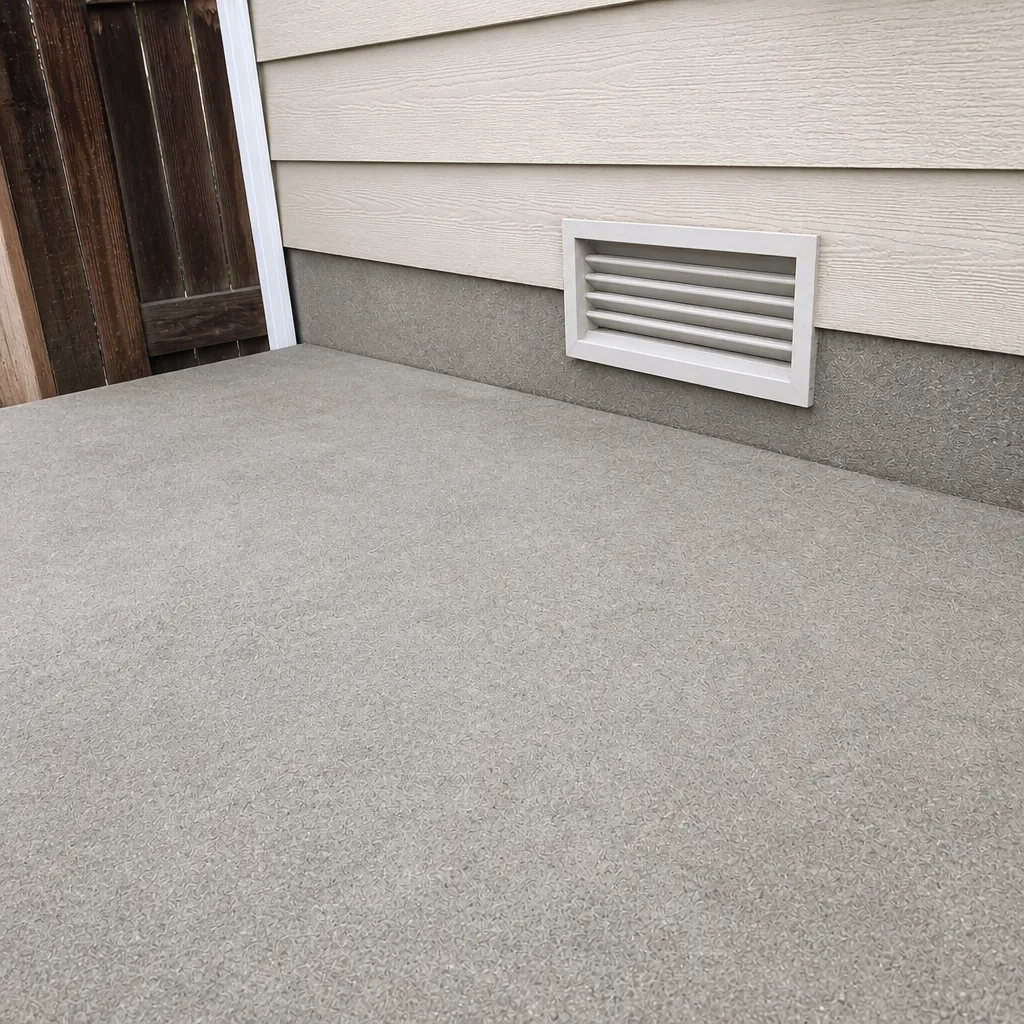
- Lint visible around the outside vent flap. The flap should close fully and let air out easily; if it’s stuck open by lint buildup, air isn’t moving.
- The exterior vent flap doesn’t open during the cycle. Check by running the dryer and watching the outside flap. It should swing open with visible airflow.
- More than a year since the last cleaning. Residential dryer vent cleaning should happen roughly once per year, and more often in a home with a long vent run or a large household.
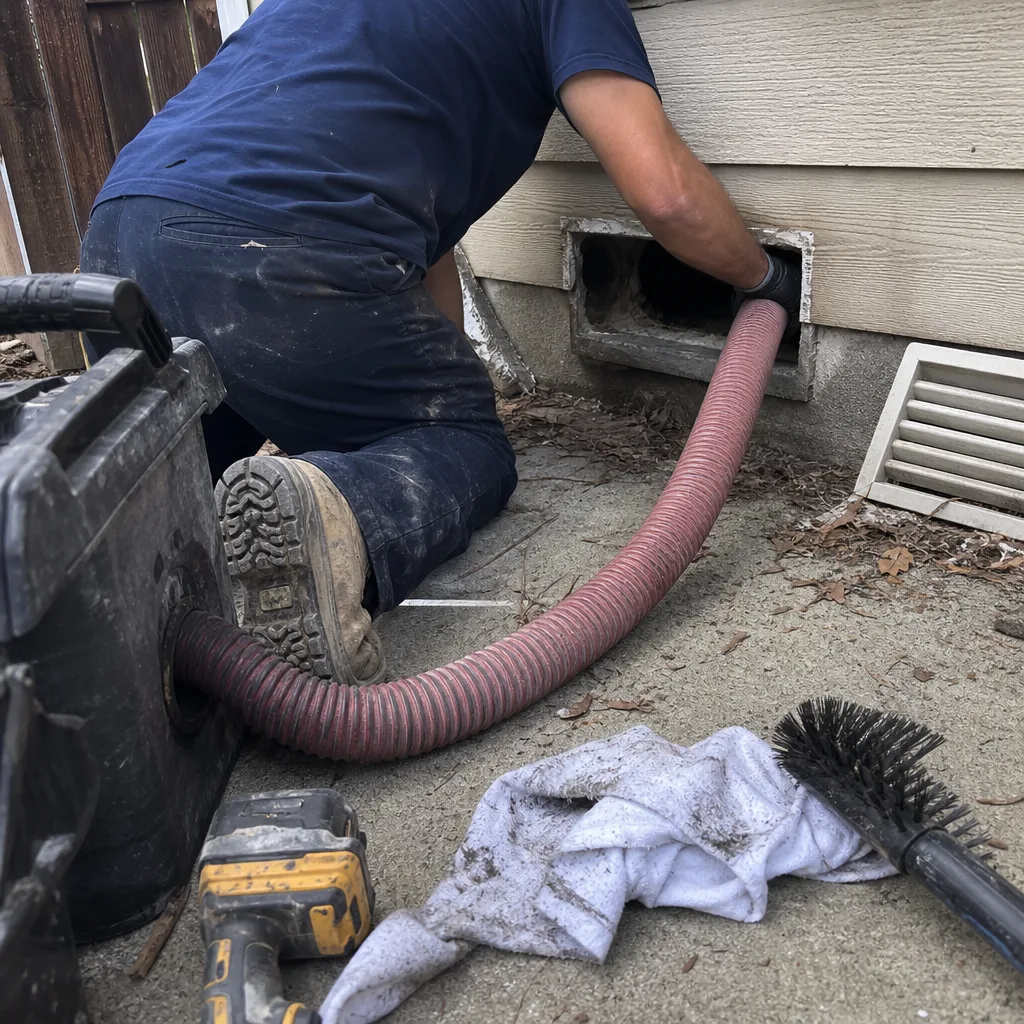
A dedicated dryer vent cleaning is not the same as a lint-trap swipe. It runs the full length of the vent, including the duct inside the wall and the exterior termination, and clears the buildup that simple household tools can’t reach.
What Professional Duct Cleaning Actually Involves
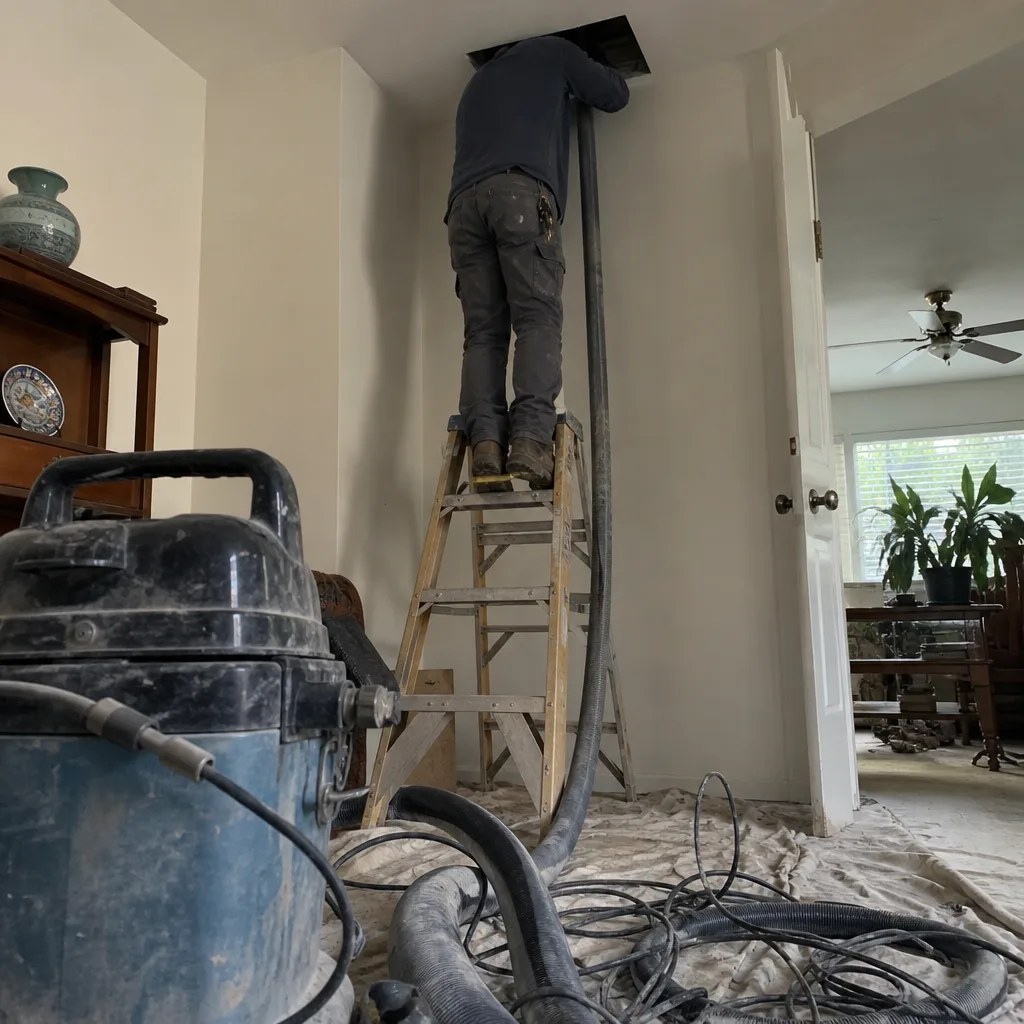
Understanding what a proper job looks like is a form of protection. Duct cleaning has a bad reputation because some operators show up with a shop vac, run it over the registers for twenty minutes, and leave without ever working the actual duct runs. A real job is longer, more equipment-heavy, and more thorough.
- Inspection first. Access panels are opened at the plenum, trunk, and any branch runs that need checking. The layout, condition, and any damaged sections are documented before cleaning starts.
- Containment setup. A negative-air machine is connected to the system so that debris loosened during cleaning is captured and drawn out, not pushed into the living space. We use Nikro negative-air units and Abatement Technologies equipment for this step, the same class of gear used on commercial and remediation-level air quality jobs.
- Mechanical agitation of the duct interior. Rotobrush rotary brush systems run through each branch line to physically break loose the coating on the duct walls. Air-only cleaning skips this step; a rotary brush does not.
- Source removal at the plenum and trunk. The main trunk lines and the air handler connection get the heaviest attention, because that’s where most of the accumulation sits.
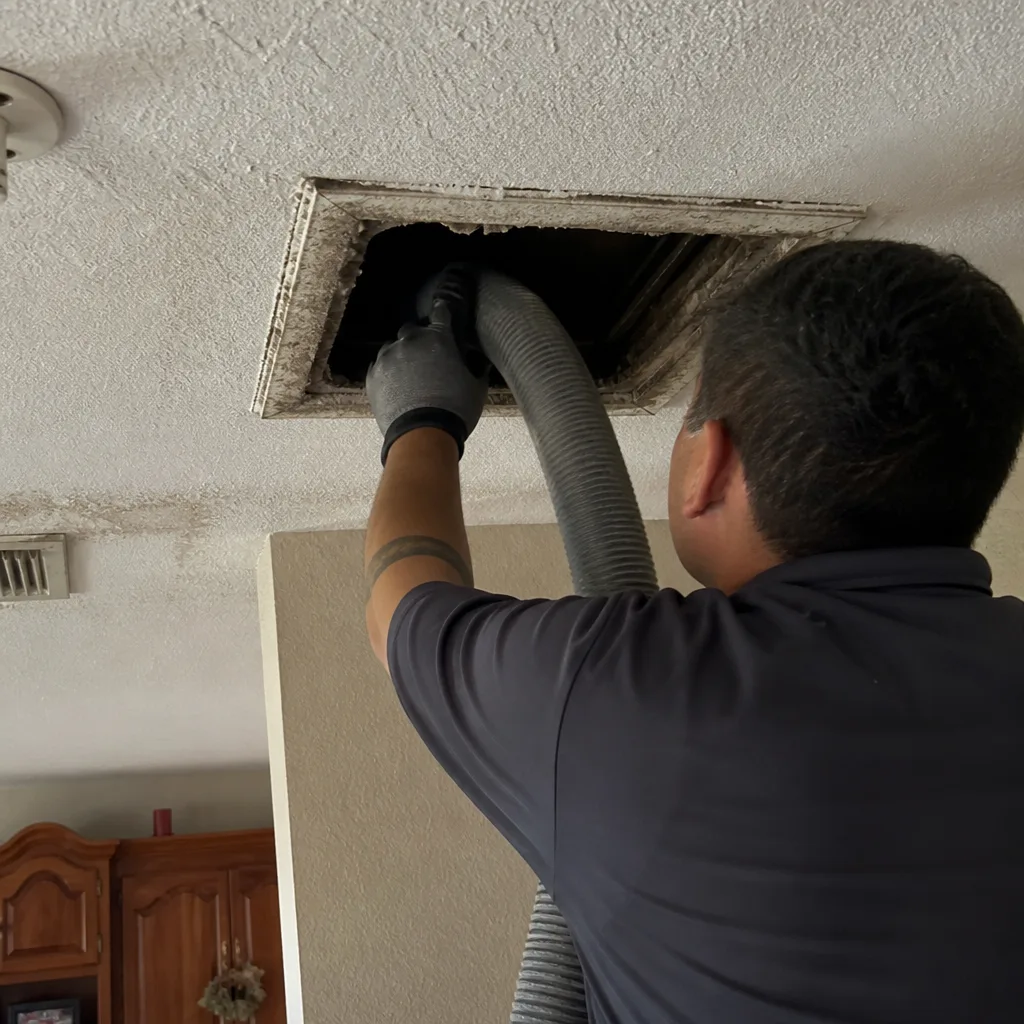
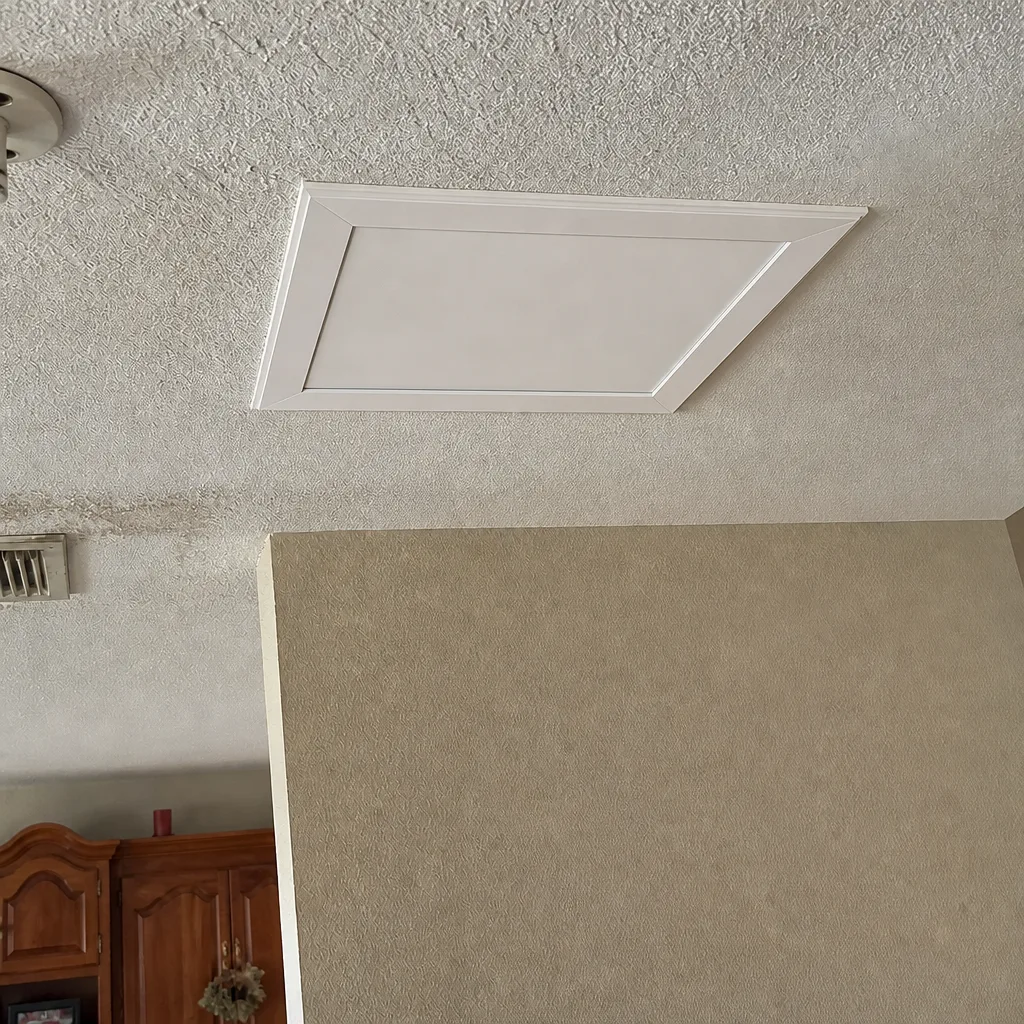
- Before-and-after documentation. Interior photographs of specific duct sections before and after cleaning, so you can confirm the job was actually done.
- Protective finish. Where appropriate, Guardsman-brand protective products are applied to help slow future buildup on the cleaned surfaces.
- System restart and airflow check. Registers are opened, the system is running again, and airflow at each register is confirmed before the technician leaves.
The equipment matters. Rotobrush and Nikro are industry names because they work; the same tools used by commercial contractors. When you’re hiring an air duct cleaning company in Modesto, ask what equipment they use and whether they do before-and-after documentation. The answers tell you whether you’re getting a real cleaning or a surface wipe.
How to Tell Duct Cleaning from an Air Quality Problem That Needs More
Not every duct issue is a cleaning job. Sometimes the right answer is a repair. And sometimes the right answer includes a conversation about whole-home air quality equipment. Knowing the category saves you from paying for the wrong service.
- Surface buildup only, no damage: standard cleaning is the answer.
- Loose or disconnected joints, crushed runs, or deteriorated insulation: repair is the answer, sometimes followed by cleaning once the system is sealed again.
- Persistent musty smell after cleaning, or recurring symptoms: a deeper air quality conversation is warranted, which is where Aprilaire and Honeywell filtration and ventilation products come in.
- Rodent activity inside the ducts: repair of entry points plus a containment-grade cleaning, not a standard visit.
Having Aprilaire and Honeywell systems in the same conversation as the cleaning matters because filtration decisions and duct condition are linked. Upgrading a filter without sealing a leaking return duct still leaves the system pulling attic air. The duct work comes first; the filtration is a complement to it.
See the difference
 Before
 After
 Before
 After
 Before
 After
Common Mistakes to Avoid
- Wiping the registers and calling it fixed. The grille is the last stop in a long air path. Cleaning it doesn’t touch the buildup inside the ductwork that keeps the dust coming back.
- Booking the lowest bid without asking about equipment. A quote that’s half the going rate usually means a shop vac and a twenty-minute visit. Ask what rotary brush and negative-air systems the company uses before you book.
- Assuming a hot room means the AC is undersized. In Modesto, temperature imbalances usually trace back to a duct restriction or a disconnection, not equipment capacity. Check airflow first, then call for a duct inspection.
- Skipping the attic for years. Flex duct in Central Valley attics degrades from heat and time. An annual twenty-minute visual check catches kinks, sagging, and disconnections before they become a full repair.
- Interpreting one high PG&E bill as a duct problem. One hot month doesn’t tell you anything. Two or more comparable months of elevated bills, with no equipment change, does.
- Skipping dryer vent cleaning because the dryer still works. The dryer working and the vent being safe are two different questions. Lint fires happen in dryers that still “work”.
- Treating a rodent smell as a cleaning problem. Rodent activity inside ductwork needs an inspection and repair of the entry points first. Cleaning without repair just lets the animals re-enter.
When to Call a Professional
Call for a professional inspection when you notice any two of the warning signs in this guide showing up in the same season. Uneven rooms plus a rising bill, or a musty startup smell plus indoor allergy symptoms, both point to a duct problem that needs eyes on it rather than a wait-and-see. Call right away if you smell something sharp and urine-like near a register, or if your dryer is taking more than one cycle to finish a load and the housing is running hot. Duct Cleaning Modesto offers free estimates in Modesto, and our technicians have up to 13 years of experience working the full duct system. Call (866) 256-3971 to schedule. We answer 24/7. Fast dispatch from 7am to 7pm, Sunday through Friday.
Frequently Asked Questions
Every 3 to 5 years for most homes, and more often if you have pets, allergies, recent renovations, or a home in the path of agricultural dust. Homes with year-round AC use in the Central Valley tend to need cleaning closer to the 3-year end of that range. If you’re seeing visible register buildup or recurring smells, the schedule is already overdue. Call (866) 256-3971 for a free estimate so we can look at the actual system instead of guessing.
The cheaper quotes are almost always shorter visits without real equipment. A proper job includes negative-air containment, rotary brush agitation of the duct interior, and before-and-after photos. A low quote usually skips the rotary brush and doesn’t document the work. Ask what equipment the company uses and whether they provide interior photos before booking. Call (866) 256-3971 for a written estimate based on your actual system.
Ask for interior before-and-after photos of specific duct sections. Any company doing real work can show you what was there before cleaning and what’s there after. We use Nikro negative-air containment so debris is captured rather than blown into the house, and we document the duct interior on every job. Call (866) 256-3971 to schedule an estimate and see how the process works.
It removes the reservoir of trapped particles that keeps circulating through the system, but it doesn’t cure allergies. The typical improvement is a reduction in the concentration of dust, pollen, and dander in the indoor air. If symptoms persist after cleaning, a conversation about Aprilaire or Honeywell filtration for the system is the next step. Call (866) 256-3971 to talk through what your system needs.
Cleaning removes the buildup inside intact ductwork. Repair fixes damaged ductwork: crushed flex runs, disconnected joints, torn insulation, or entry points that let rodents in. Both are necessary when the duct system has damage, and both are handled by Duct Cleaning Modesto so you’re not coordinating two companies. Call (866) 256-3971 for a free estimate that covers both.
Yes. A dryer working and a dryer vent being safe are separate questions. Lint buildup in the vent run is a fire risk regardless of whether the dryer still spins. Annual cleaning is the standard recommendation, and more frequent in homes with long vent runs or large households. Call (866) 256-3971 to schedule dryer vent cleaning as its own service call.
The Bottom Line
The earliest duct problems in Modesto homes are quiet. They show up as a room that doesn’t cool evenly, a smell on first startup, an allergy pattern that’s extended indoors, a bill that’s climbed during similar weather, or a sagging flex run in the attic. None of those signs require panic. All of them are worth investigating, because catching them early is what keeps a $250 cleaning from turning into a repair job. The equipment matters, the documentation matters, and knowing which problem you actually have matters most. If you’re seeing more than one sign, get eyes on the system.
Call Modesto‘s duct specialists at (866) 256-3971 for a free estimate. We answer 24/7. Fast dispatch from 7am to 7pm, Sunday through Friday, closed Saturday. We bring professional-grade equipment (Rotobrush, Nikro, Abatement Technologies) on every job, and we set one flat price per system, agreed in writing before work starts.
Written by the team at Duct Cleaning Modesto.