
Last updated November 15, 2026
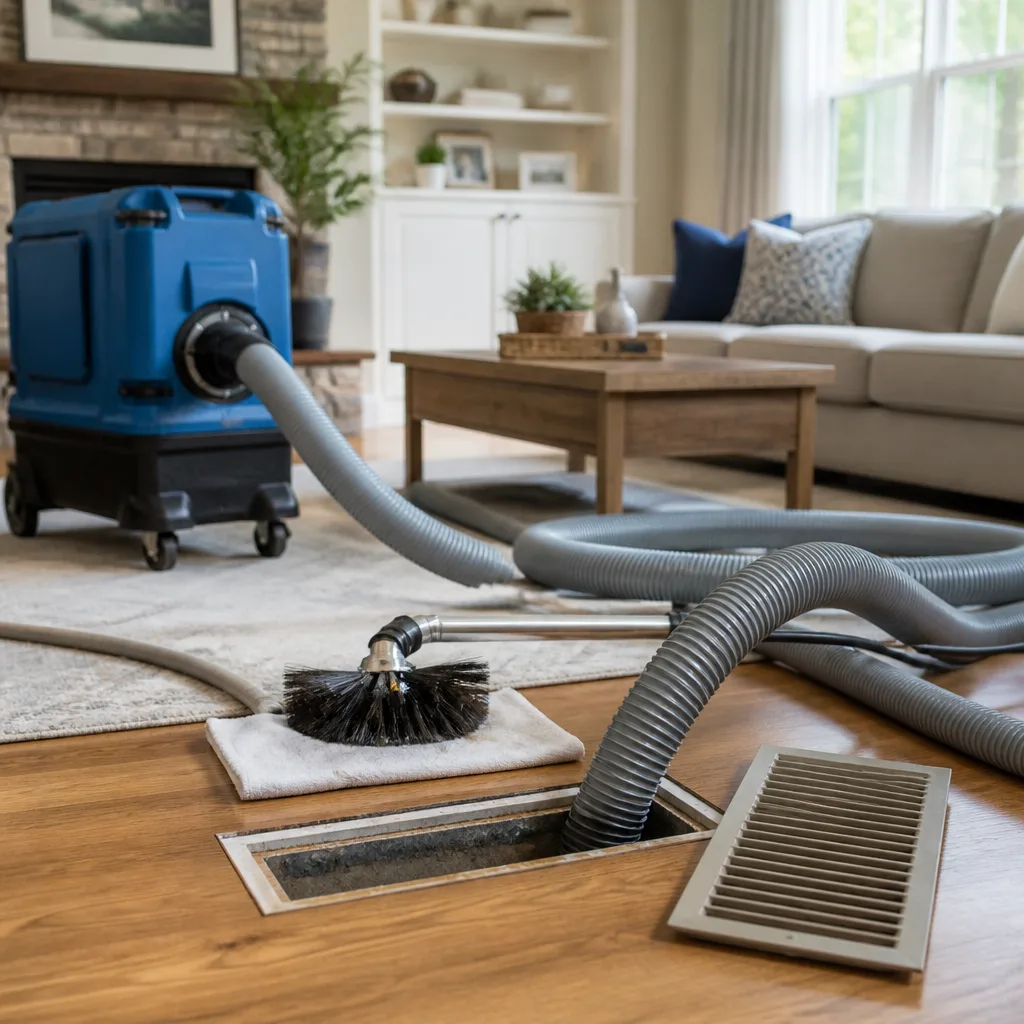 Whole-home duct cleaning
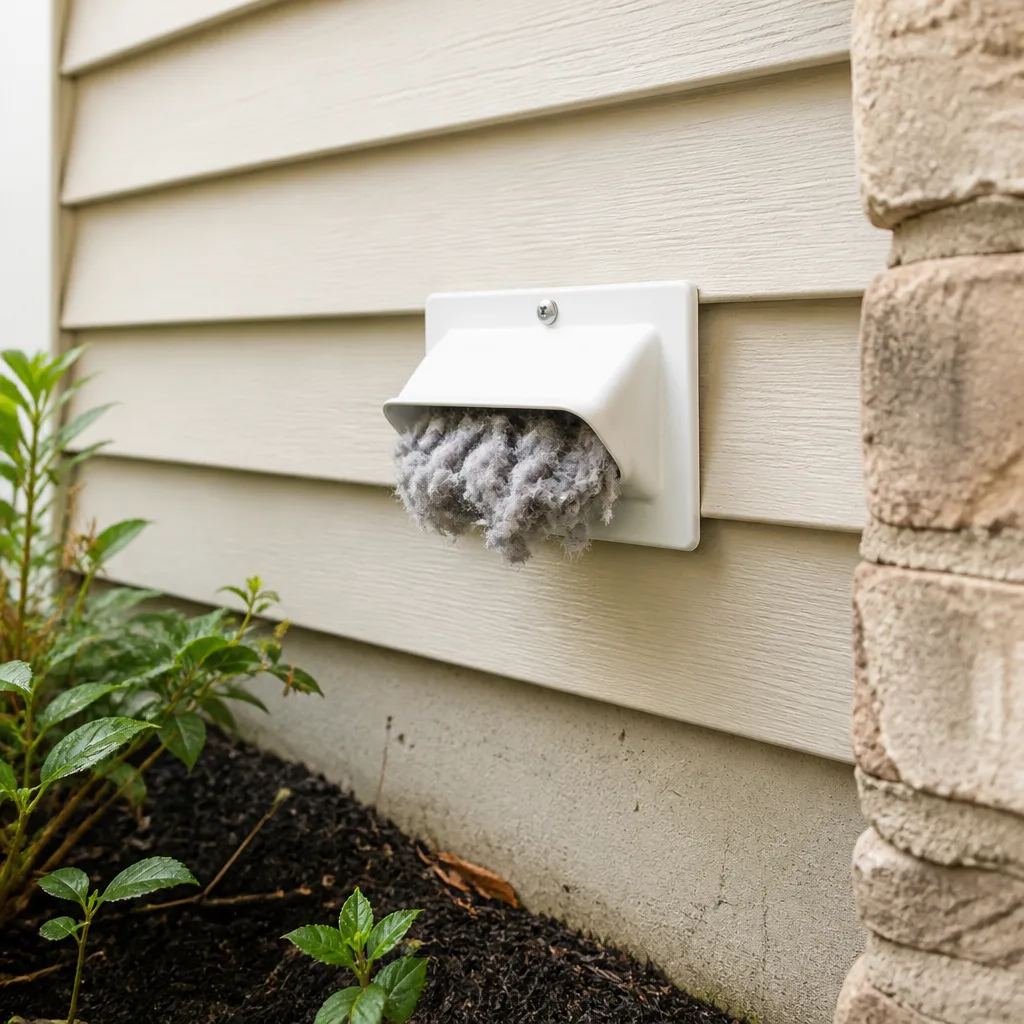 Dryer vent cleaning
 Camera inspection
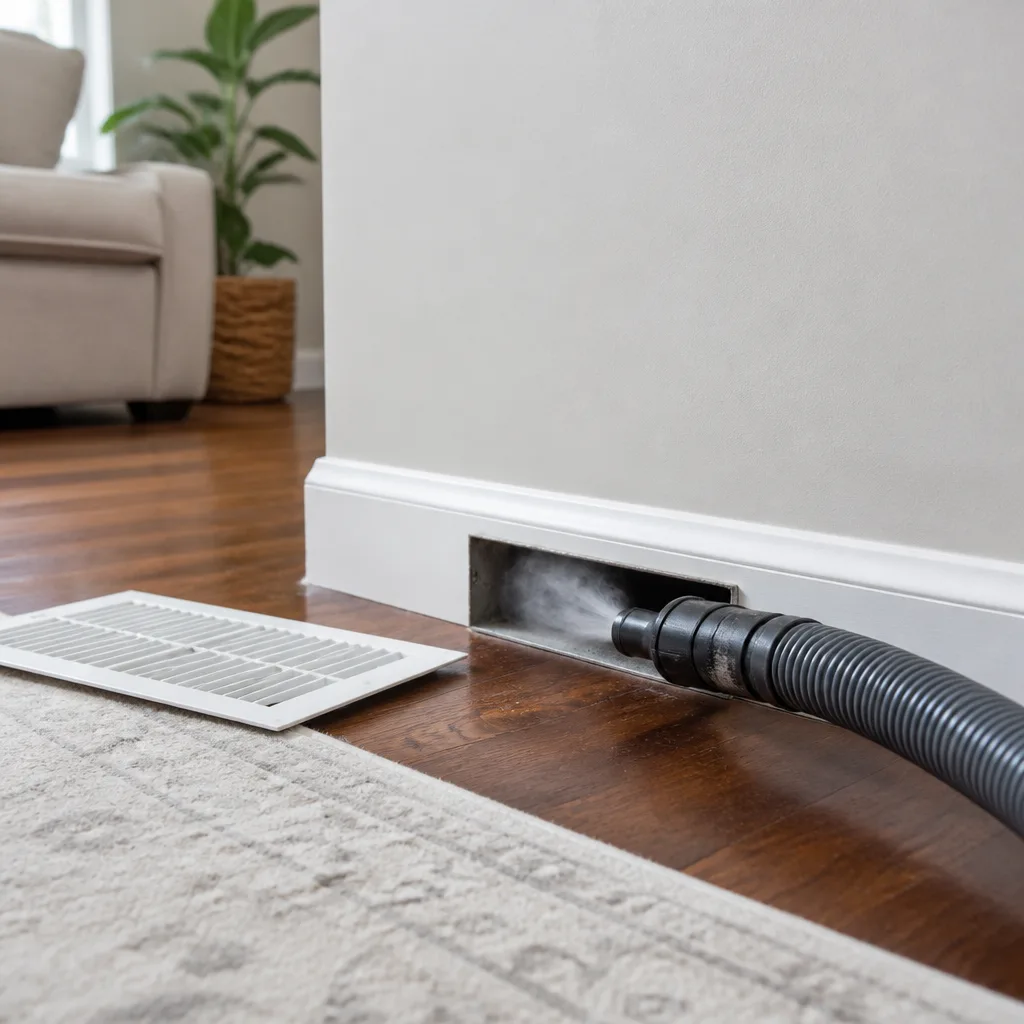 Sanitizing & deodorizing
Whole-system duct and dryer vent check with before-and-after photos - you see exactly what came out of your vents
That "$99 whole-house special" is a bait ad - the real number appears once they are in your hallway, or the "clean" is a shop-vac at the register. We photograph the inside of your ducts before and after instead.
Seasonal Air Duct Cleaning Care for Modesto: Year-Round Homeowner’s Guide
Most duct cleaning advice you’ll find online was written for a place with four evenly spaced seasons. Modesto doesn’t work that way. What we have is closer to two long stress periods separated by short, quiet windows, and the mistake we see most often is homeowners treating the calendar like it’s the same everywhere else. Scheduling a duct cleaning in the middle of a July heat wave means the system runs nonstop the entire day of service, and technicians working in an attic that’s already over 100 degrees are not set up for careful work. The right month matters as much as the right company. This guide maps duct care to Modesto’s actual weather year, from tule fog to harvest smoke, and shows you when to book, what to check, and when to leave it to a professional.
Quick Answer
In Modesto, the best times to clean and inspect your air ducts are late February through March and late October, when the heating and cooling systems are mostly off, attics are accessible, and technicians aren’t booked solid. Summer is when ducts take the most punishment from continuous cooling operation and wildfire smoke, and tule fog season is when trapped humidity and stale recirculated air do their slow damage. Annual inspection plus cleaning every few years keeps the whole system healthier than cleaning on a random schedule copied from a national checklist.
Styles & brands we work with
- Whole-home duct cleaning
- Dryer vent cleaning
- Camera inspection
- Sanitizing & deodorizing
Table of Contents
- Why Modesto’s Seasons Don’t Match the National Duct Cleaning Calendar
- The Two Real Service Windows: Late February-March and Late October
- Summer: Continuous Cooling, Wildfire Smoke, and What 90 Days Does to Your Ducts
- Tule Fog Season: Stagnant Air, Closed Houses, and Trapped Humidity
- Fall Harvest and Ag Burn Particulate: How It Compares to Ordinary Dust
- Post-Summer Inspection Checklist
- When Cleaning Is Enough and When Duct Repair Is the Real Fix
- Dryer Vent Cleaning: The Safety Task That Ignores the Seasons
Why Modesto’s Seasons Don’t Match the National Duct Cleaning Calendar
The generic advice you’ll read says clean your ducts once a year, ideally in spring or fall. That’s not wrong, but it’s built for a climate with a slow, gentle shoulder season and a mild summer. Modesto’s cooling season is long and intense. The Central Valley heat pushes systems to run continuously for weeks, and the heating season that follows is short but foggy, with houses sealed up against the damp cold. Those two periods are when your duct system actually takes damage. The brief stretches in between are when it can be serviced properly.
Think about what each season does to the inside of your ductwork:
- Late spring and summer: the blower runs for hours on end, pulling air through the return ducts at full velocity. Every bit of dust, pollen, and smoke particulate that gets past the filter settles somewhere along the run. Flex duct, with its ridged interior, catches more than smooth sheet metal does.
- Late fall and winter: the system switches to heating, the house stays closed against fog and cold, and the air recirculates through the same ducts over and over. There’s less fresh air exchange, and humidity from showers, cooking, and laundry has nowhere to go but back through the return.
- The two transition windows: mild days, system mostly idle, attic accessible. This is when ducts can be reached, inspected, and cleaned without fighting the weather or the schedule.
We plan our work around that reality. The duct cleaning Modesto approach we take treats the calendar as a tool, not an afterthought, because the quality of the job depends on the conditions on the day.
The Two Real Service Windows: Late February-March and Late October
The best time to schedule duct cleaning in Modesto is late February through March, and again in late October. Those aren’t arbitrary dates. They’re the stretches when the cooling system has been off long enough to stop loading the ducts, the heating system hasn’t yet gone into full daily use, and the attic isn’t an oven. Technicians can move through the space, set up negative-air equipment properly, and do the detailed work that takes time.
There’s a practical scheduling benefit too. When the phone isn’t ringing off the hook with summer breakdowns, crews have more room in the calendar. You get a thorough job on a calm day instead of a rushed one during peak season.
Here’s how a well-timed service window usually goes:
- Book the inspection for a mild week. Late February is ideal because the system has been mostly idle since the last cooling season and any winter buildup is visible.
- Have the system inspected before the cooling season. Look at flex duct connections, insulation condition, and the drain pan before summer stress reveals the weak points the hard way.
- Clean the full system, not just the supply registers. Returns, plenum, main trunk, and branch runs all get attention during a proper job.
- Do the October service before the heating season starts. Late October catches the tule fog and harvest dust problem before you seal the house up for winter.
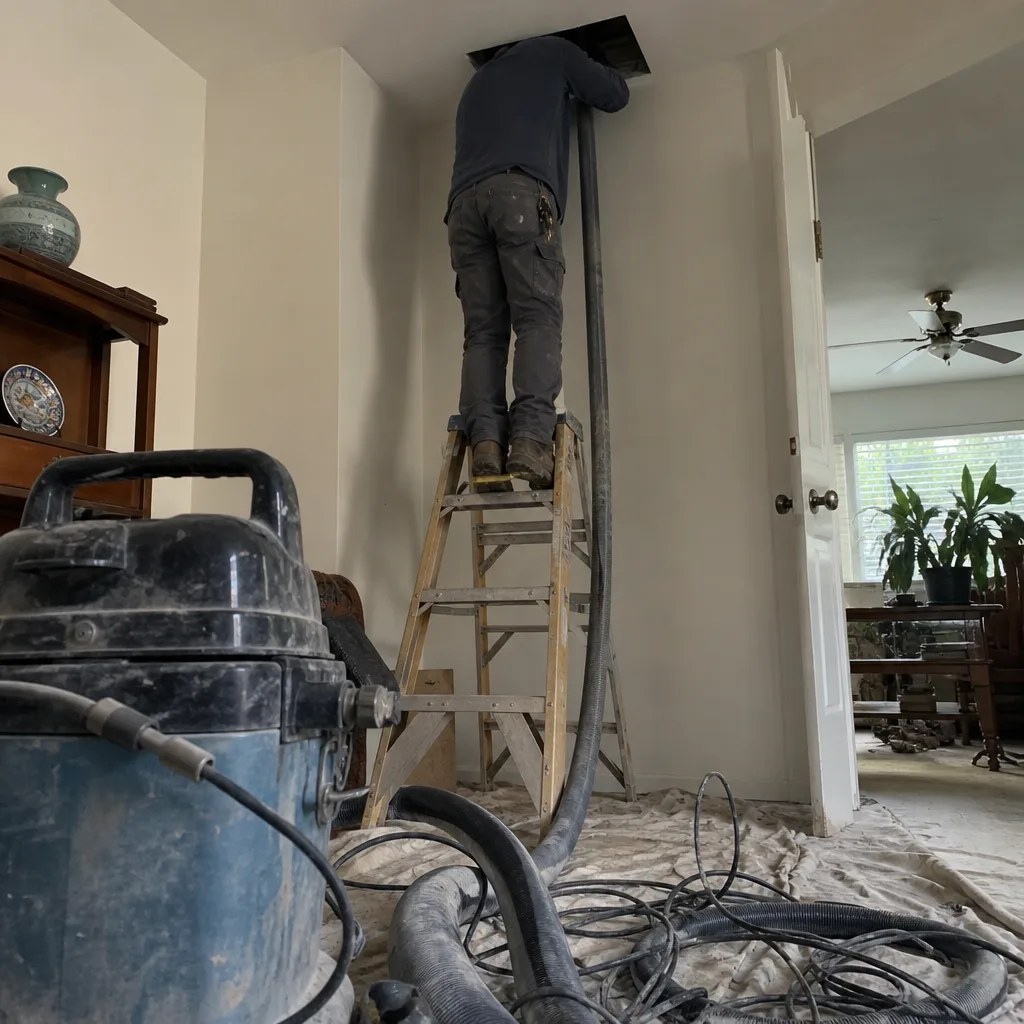
- Photograph the before-and-after. During a calm-season job, a crew has time to document the work, and you can see what came out of your ducts.
The equipment matters here. We use Rotobrush rotary brush systems and Nikro negative-air machines, the kinds of tools commercial contractors rely on, and Abatement Technologies containment equipment for situations that need a higher level of air quality control. When the schedule gives you room to do the job right, that equipment earns its keep.
Summer: Continuous Cooling, Wildfire Smoke, and What 90 Days Does to Your Ducts
A Modesto summer runs the cooling system almost without pause, and that continuous operation is exactly what loads the duct system with particulate. But the bigger seasonal factor is wildfire smoke. When smoke from regional fires moves into the valley, the standard advice is to close up the house and run the system on recirculate. That’s reasonable for keeping smoke out of your lungs, but it means the same air cycles through the ducts over and over. Smoke particles and fine ash that slip past the filter settle on duct surfaces and stay there. By the time the season ends, you’ve got a layer that a standard filter change won’t touch.
If you’re going to run recirculate through smoke season, keep a few things in mind:
- Change the filter more often than the box says. Smoke season is hard on filters, and a clogged filter sends more fine debris into the ducts instead of catching it.
- Don’t run the system with the fan on continuous. Constant blower operation pushes more particulate through the ducts and into the return. Let the thermostat call for cooling and let the fan rest in between.
- Consider an upgraded filtration setup. Honeywell and Aprilaire air quality systems are designed to handle filtration at a level a basic filter can’t, and they’re worth discussing before the next smoke season, not after.
Wildfire season isn’t the only summer issue. The system runs hot, and that heat does real work on the duct system itself. Flex duct sags in the attic heat, insulation compresses and loses effectiveness, and the drain pan under the air handler can collect standing water if the condensation line gets slow. That’s why the post-summer inspection matters more than any pre-season task.
Tule Fog Season: Stagnant Air, Closed Houses, and Trapped Humidity
Tule fog is Modesto’s signature winter weather, and it changes how a house breathes. During fog season, the house stays closed up against the damp cold, the air inside recirculates through the same duct system for weeks, and humidity rises from everyday activities. That combination is the slow setup for a mold concern inside ductwork. Moisture that reaches 60 percent or more indoors, with no fresh air exchange to dry it out, gives mold, mildew, and dust mites the conditions they need.
Fog fog also traps fine dust in the airstream. With the house sealed, dust kicked up by daily life has nowhere to go but into the return and back through the ducts. The result is a system that recirculates stale, humid, dust-heavy air until spring. This is exactly why late October is one of the two key service windows: a cleaning and inspection before fog season starts means the ducts go into winter clean, and any mold risk from fall moisture is caught before it becomes a winter problem.
During fog season itself, a few adjustments help:
- Run the bath fan and kitchen exhaust. Moving moisture out of the house is the simplest way to keep humidity out of the ducts.
- Watch for musty smells when the system kicks on. A musty odor at start-up is the most reliable sign that moisture and organic material have combined somewhere in the system.
- Keep up with filter changes. A dirty filter during fog season puts more load on the system than at any other time of year.
If musty smells persist, that’s a job for a professional inspection, not a home remedy. A technician can look for the source in the returns, the plenum, and the air handler, where mold tends to take hold first.
Fall Harvest and Ag Burn Particulate: How It Compares to Ordinary Dust
Fall in the Central Valley brings harvest activity and, in some years, agricultural burning that pushes fine particulate into the air across the valley. Harvest dust, smoke from burns, and general field particulate are finer and more widespread than ordinary household dust. They travel farther and penetrate deeper into a duct system. Urban and suburban dust tends to be coarser, with more lint and hair that stays near the return grille and filter. Harvest particulate is fine enough that it settles all along the duct runs and on the surfaces of the air handler and coils.
That difference matters for cleaning. A surface wipe-down near the registers does nothing for fine particulate that’s settled in the middle of a seven-foot branch run. A proper job uses negative-air pressure and rotary brushing to pull that material out of the whole system, which is exactly what Nikro negative-air machines and Rotobrush rotary tooling are built to do. Abatement Technologies equipment adds a containment-grade layer for situations where the particulate load is heavy enough that standard cleaning needs a more careful approach.
If the fall harvest season has been smoky, the late-October cleaning window is a good time to get ahead of it. Cleaning before the heating system goes into full winter use keeps that fall particulate out of the airstream you’ll be breathing all winter. And if you notice your filters loading up faster than usual after a smoky harvest season, that’s a sign the ducts are holding more than the filter can catch on a normal schedule.
Post-Summer Inspection Checklist
Ninety days of continuous cooling operation does real work on a duct system, and the damage usually shows up in the same few places. A post-summer inspection is about catching these conditions before the heating season locks them in. Here’s what a trained technician checks, and what you can look at yourself without opening up any ductwork:
- Flex duct condition. Look for sagging, crushed sections, or loose connections at the collars. Flex duct in an attic that’s been through a Modesto summer can compress and lose insulation effectiveness.
- Insulation integrity. Check that the duct wrap is still intact and not torn or pulled away from the run. Damaged insulation means condensation and heat loss.
- Drain pan and condensate line. Standing water or slow drainage in the drain pan is the most common post-summer problem we encounter.
- Filter condition. After a summer of smoke and dust, the filter has likely been doing more work than usual. Check and replace it before the heating season.
- Return grille buildup. Take a look inside the return grille for visible dust and debris. That’s a good indicator of what’s happening deeper in the system.
- Airflow at the registers. Weak or uneven airflow across rooms is often a sign of a flex duct that’s come loose or collapsed somewhere.
- Musty or dusty odors at start-up. Any unusual smell when the system kicks on is worth a professional look.
If your inspection turns up a loose duct or a crushed run, the fix is often air duct cleaning combined with a repair, not a cleaning alone. Cleaning the system without addressing a damaged section just sends more air through a broken path.
When Cleaning Is Enough and When Duct Repair Is the Real Fix
Cleaning and repair solve different problems, and knowing which one you need saves money. Cleaning removes accumulated dust, debris, and particulate from inside the duct system. Repair fixes structural problems: disconnected flex duct, crushed sections, torn insulation, damaged collars, or leaks at the joints. If the ductwork is damaged, cleaning alone leaves the problem in place. Air will keep leaking out of the tear or pulling dusty attic air into the run.
Here’s a rough way to tell which situation you’re in:
- Signs cleaning is the main fix: visible dust buildup on the registers, musty smell on start-up, filters loading fast, and no obvious airflow problems.
- Signs repair is needed: weak airflow in specific rooms, visible sagging or crushed duct, dust blowing from a supply register even right after cleaning, or higher energy bills with no other explanation.
- Signs both are needed: dirty ducts plus a compromised run. The right order is repair the damage, then clean the whole system, so the cleaning doesn’t push debris through the damaged section.
We handle both under one service, which matters more than it sounds. A company that only cleans will tell you cleaning is the answer. A company that only repairs will skip the cleaning. When ducts and the repair are handled by the same team, you get a straight answer about which problem you actually have. The same goes for upgraded air quality components. Aprilaire and Honeywell systems are worth discussing during the same visit, since a duct system capable of holding a higher-grade filter is one worth cleaning and sealing properly.
Dryer Vent Cleaning: The Safety Task That Ignores the Seasons
Dryer vent cleaning sits outside the seasonal calendar because the risk doesn’t wait for summer or fog season. Lint accumulates in the dryer vent with every load, and a clogged vent is one of the leading causes of residential fires. The seasonal timing issue here is just that people forget about it until they notice the dryer taking longer. When lint builds up, it restricts airflow, the dryer runs hotter, and the risk climbs. It’s a fire-prevention service, not an optional extra.
Modesto’s heat adds a small wrinkle. In summer, the dryer and the vent line are already at higher ambient temperatures, so lint that would otherwise sit packed in the line can get hotter and drier than in winter. That doesn’t change the recommendation, which is to have the vent cleaned regularly and inspected for crushed or disconnected duct. What it does change is how quickly you should act if your dryer starts running long cycles or the vent flap outside stops opening properly.
The proper way to handle dryer vent cleaning is a dedicated service that includes the full vent run from the dryer connection to the exterior, not a quick vacuum around the outside flap. Lint packs all the way through the line, and only a full-run cleaning gets it out.
Common Mistakes to Avoid
- Scheduling the cleaning in the middle of summer. The system runs continuously on the day of service, and an attic in July can push well past 100 degrees. The job gets rushed and the equipment never has a chance to fully settle.
- Cleaning without inspecting for damage first. If there’s a crushed or disconnected flex duct, cleaning pushes debris through a broken path. Repair first, then clean.
- Running the fan continuously during smoke season. It pushes more smoke particulate through the ducts and into the returns instead of letting it settle where the filter can catch it.
- Ignoring the fog season mold signal. A musty smell at system start-up during winter means moisture and organic material have combined somewhere in the system. That’s an inspection, not a fresh filter.
- Assuming an October cleaning is enough without a fall inspection. Cleaning the ducts without checking the drain pan, insulation, and flex connections leaves the seasonal damage in place.
- Treating dryer vent cleaning as optional. Lint accumulation is a fire risk that has nothing to do with the duct cleaning schedule and everything to do with how many loads the dryer runs.
- Copying a national cleaning calendar. Two cleanings or one, the schedule needs to follow Modesto’s weather, not a four-season template written for somewhere else.
See the difference
 Before
 After
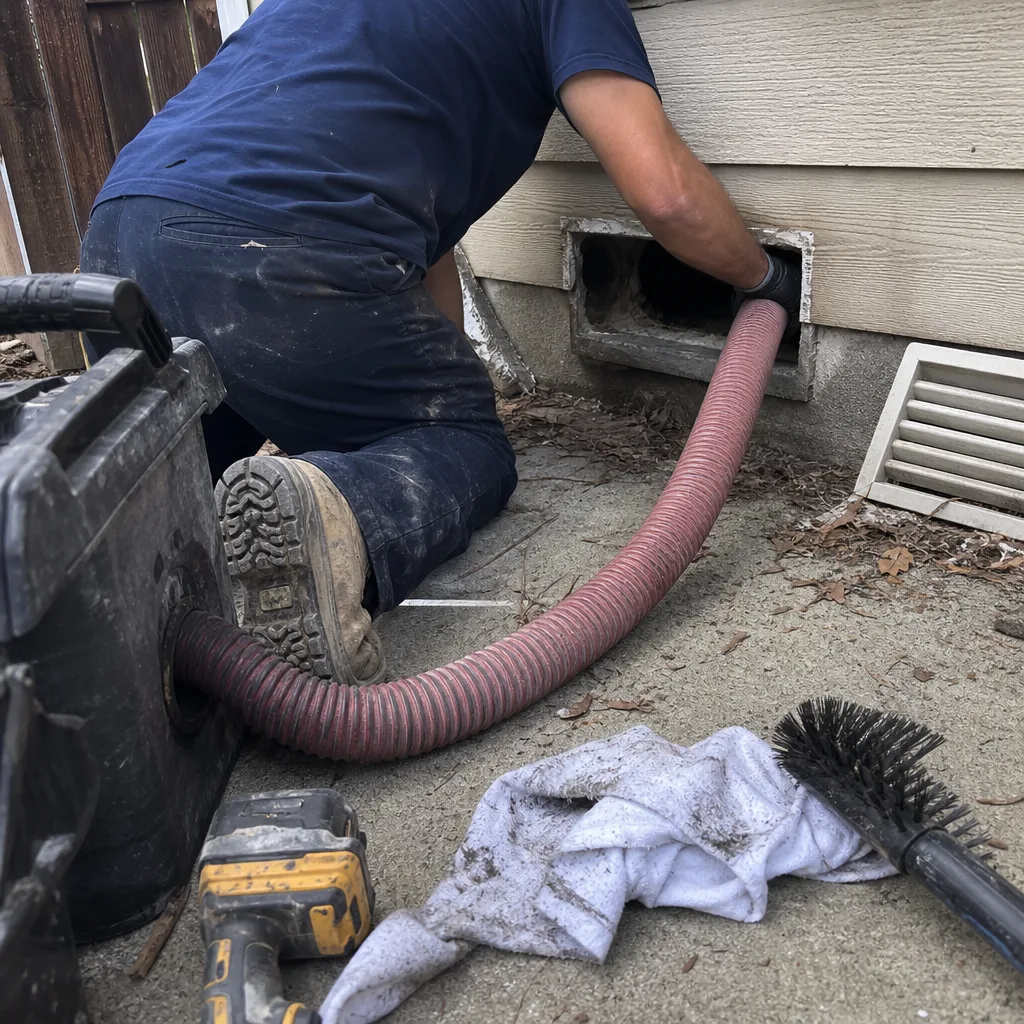 Before
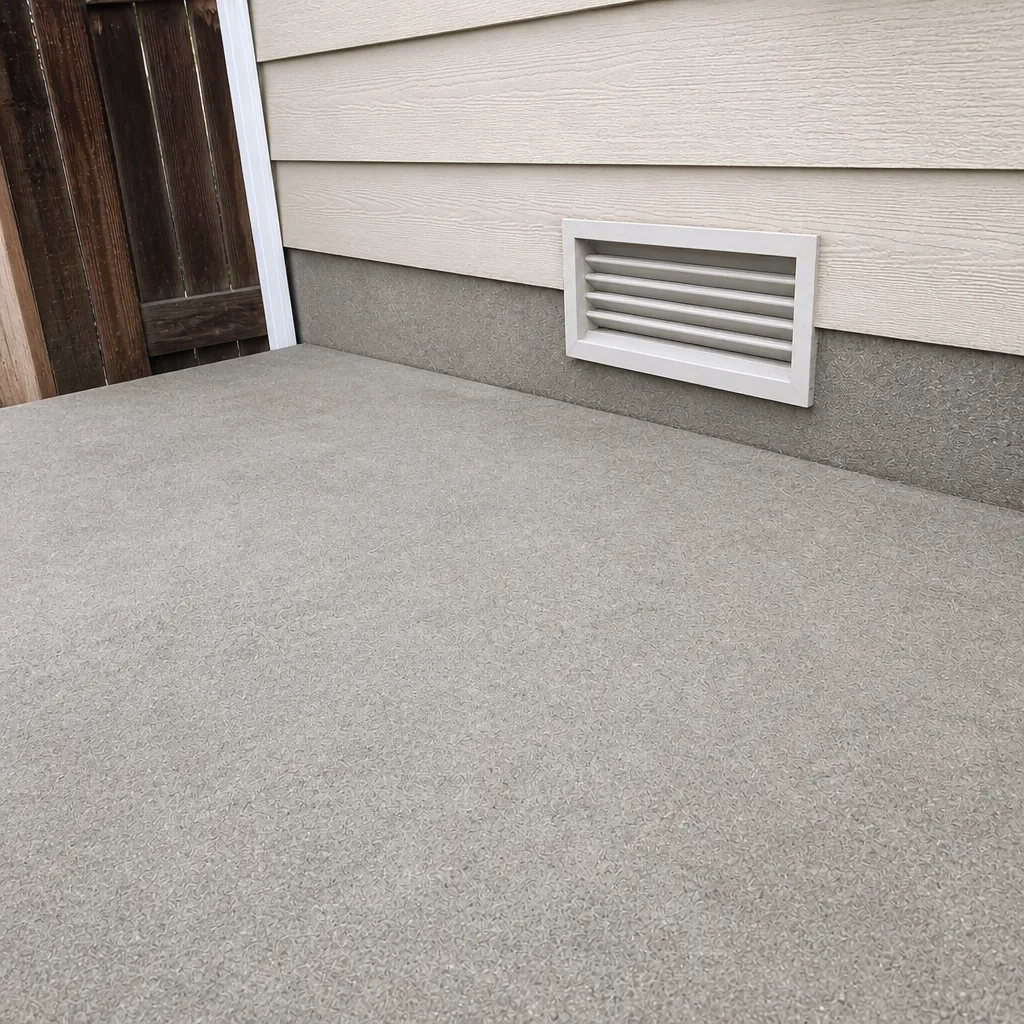 After
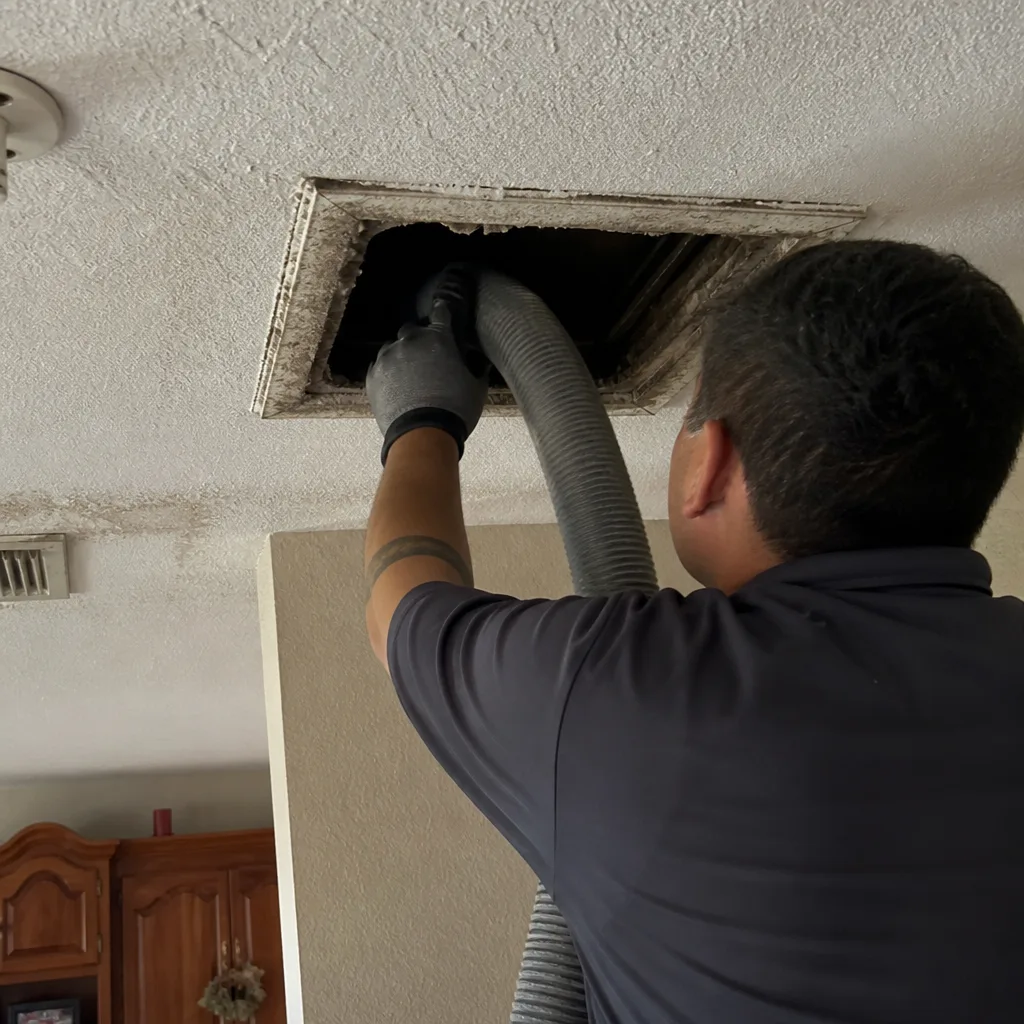 Before
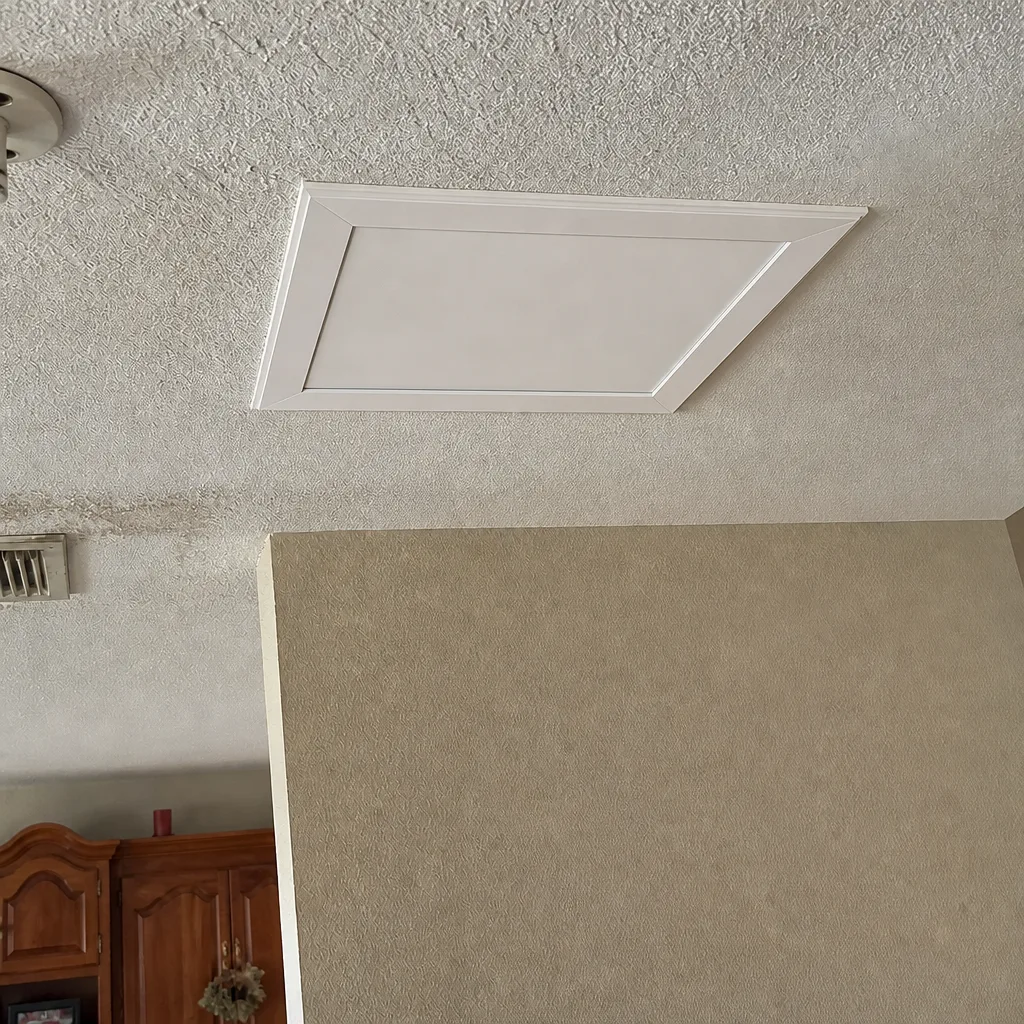 After
When to Call a Professional
Some seasonal duct care is genuinely homeowner territory: changing filters, checking the return grille, and watching for musty smells. But several situations call for a trained professional. If you notice weak airflow in one or more rooms, visible dust blowing from a supply register right after a cleaning, a musty odor on system start-up, standing water in or around the air handler, a crushed or disconnected flex duct in the attic, or a dryer that takes noticeably longer than usual, get it looked at. Winter mold concerns and post-summer drain pan issues fall into the same category. Duct Cleaning Modesto offers free estimates in Modesto – call (866) 256-3971. We answer 24/7. Fast dispatch from 7am to 7pm, Sunday through Friday.
Frequently Asked Questions
For most Modesto homes, an annual inspection with a full cleaning every few years is the right rhythm. The two factors that push you toward a cleaning sooner are smoke-heavy summer seasons and fog-heavy winters. If you’ve been running recirculate through a bad wildfire season or noticing musty smells when the heat comes on, move the cleaning schedule up. Call (866) 256-3971 for an exact quote – estimates are free.
Late February through March, and late October, are the two best windows. During those stretches the system is mostly off, the attic is accessible, and crews have room in the calendar to do a careful job. Scheduling in the middle of a July heat wave means working around continuous system operation and attic temperatures that can top 100 degrees. Call (866) 256-3971 to get on the schedule during a quiet window.
Pricing is set per system based on your home’s ductwork and layout, and you get one flat price agreed before any work starts, not a per-vent charge. Be cautious of low teaser prices that balloon once the technician is on site. Ask for a written estimate upfront and before-and-after photos of your own ducts so you can see what came out. Call (866) 256-3971 for an exact quote – estimates are free.
Cheap quotes usually reflect cheap equipment. A shop vac and a surface brush don’t move fine particulate out of a duct run the way negative-air pressure and rotary brushing do, and the work is often done on a single vent or two rather than the full system. Ask what equipment a company uses and whether the entire system gets cleaned. We use Rotobrush rotary brushes and Nikro negative-air machines because a proper job takes the right tools. Call (866) 256-3971 for a straight quote.
Ask for before-and-after photos of your own ducts, not stock images. That’s the simplest way to confirm the work happened, and it also shows you what was in the system before cleaning. A company confident in its work will document it without being asked. Call (866) 256-3971 and ask about photos when you book.
Yes, when it’s done before the fog season begins. Cleaning the ducts in late October removes the dust and organic material that trap moisture during the closed-up winter months, and a full inspection catches mold risk in the returns and air handler before it spreads. If you already have a musty smell, get the inspection first, since mold from an active moisture source needs fixing, not just cleaning. Call (866) 256-3971 to book a fall inspection in Modesto. We answer 24/7. Fast dispatch from 7am to 7pm, Sunday through Friday.
The Bottom Line
Modesto’s duct system has two hard seasons and two narrow windows to service it. Summer pushes the system through months of continuous cooling and wildfire smoke; tule fog season seals the house up and lets humidity and dust recirculate. The two windows that matter are late February-March and late October, when the system is off, the attic is reachable, and a careful job is possible. Watch the post-summer checklist, treat dryer vent cleaning as a safety service on its own schedule, and repair damaged ductwork before cleaning. Our technicians have up to 13 years of experience, and we handle cleaning, repair, and dryer vent work under one roof. Call (866) 256-3971. We answer 24/7. Fast dispatch from 7am to 7pm, Sunday through Friday.
Written by the team at Duct Cleaning Modesto.