
Last updated November 15, 2026
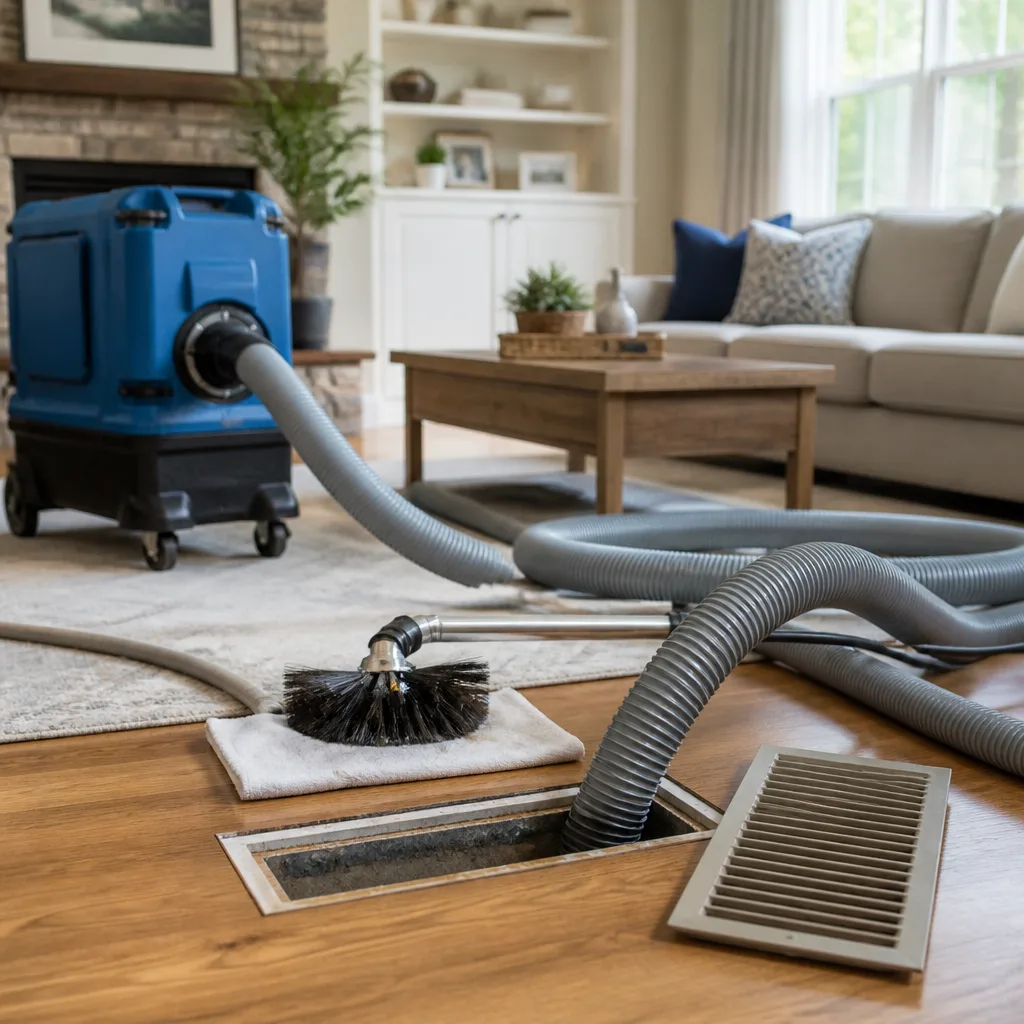 Whole-home duct cleaning
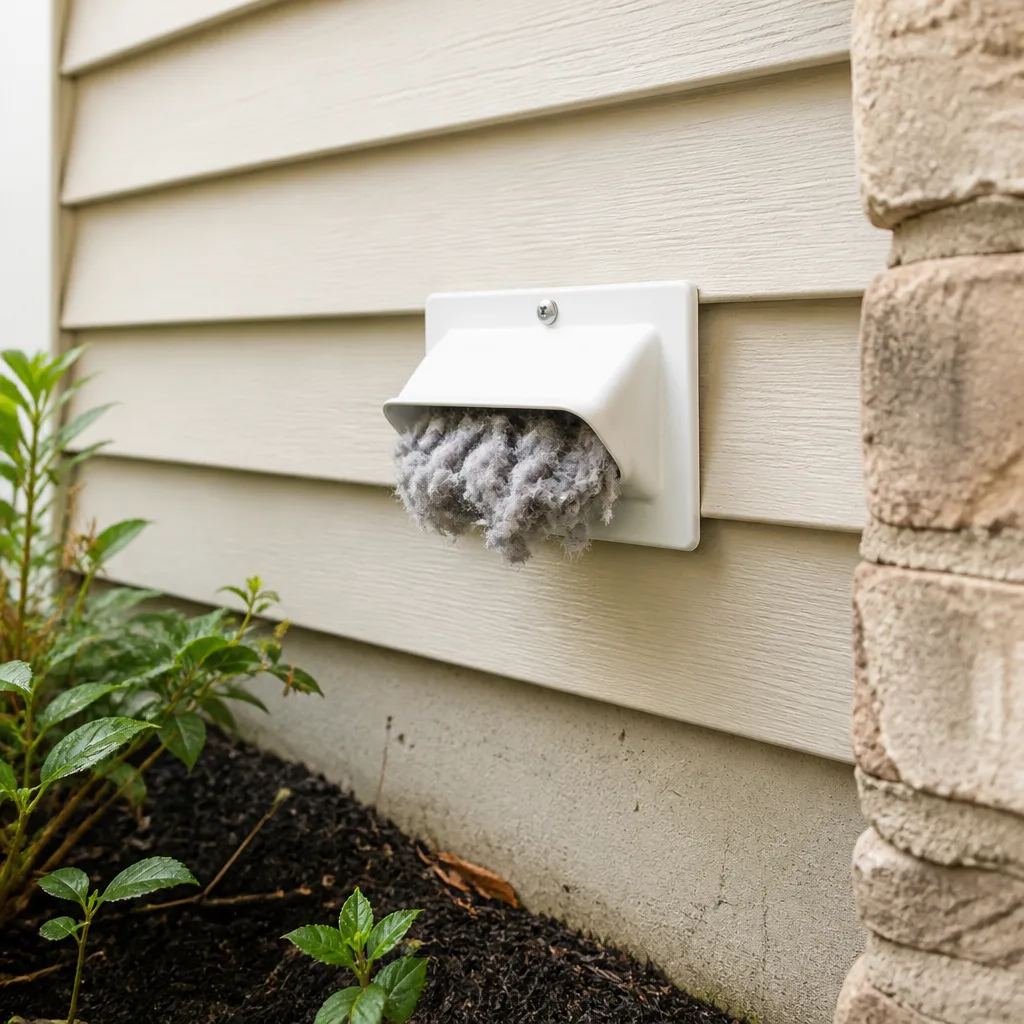 Dryer vent cleaning
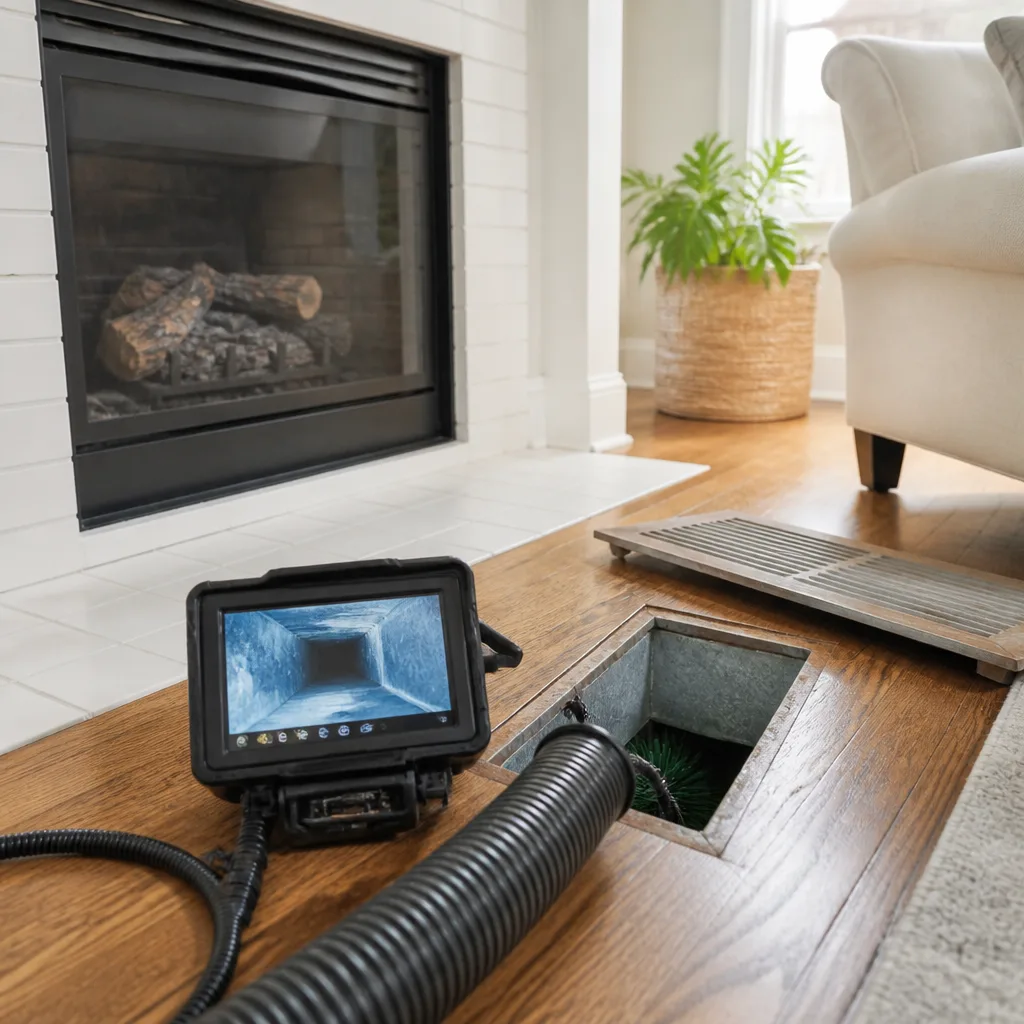 Camera inspection
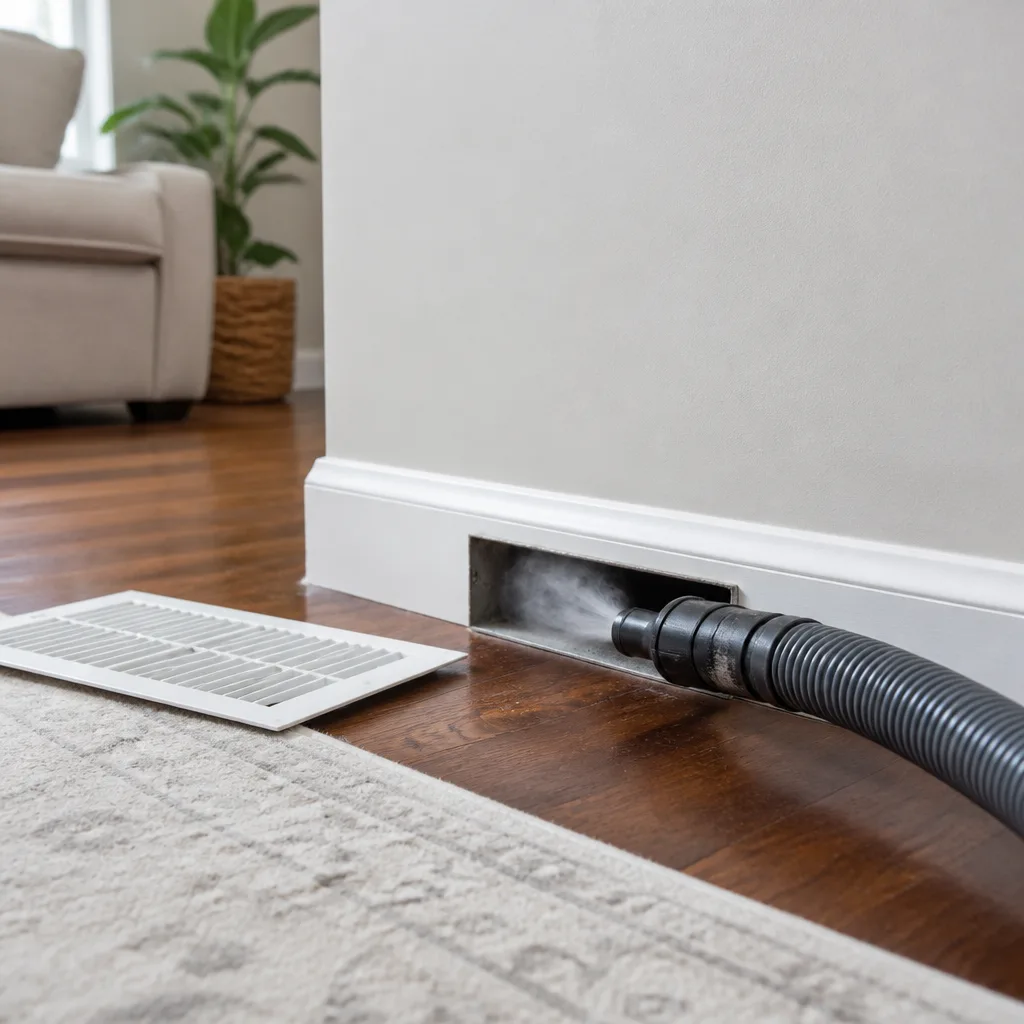 Sanitizing & deodorizing
Whole-system duct and dryer vent check with before-and-after photos - you see exactly what came out of your vents
That "$99 whole-house special" is a bait ad - the real number appears once they are in your hallway, or the "clean" is a shop-vac at the register. We photograph the inside of your ducts before and after instead.
Air Duct Cleaning Maintenance Checklist for Modesto Homeowners
Filter replacement every 90 days is the advice printed on the box. In Modesto, that advice runs into a wall every June. A system that pulls air through 100°F afternoons and weeks of agricultural dust works harder than the packaging ever accounted for, and many homeowners are quietly choking their ductwork on a 45-day filter cycle without realizing it. The box doesn’t know your street, your return grille, or how close you live to the farmland off Kiernan Avenue. This guide replaces the calendar with a checklist built on observable triggers. You’ll learn what to inspect yourself, how to read filter loading as a proxy for duct contamination, and when a professional visit is actually warranted in Modesto.
Quick Answer
Air duct cleaning in Modesto should be scheduled by condition, not by a fixed calendar interval. Check your filter every 30 days through summer, inspect return grilles and accessible flex duct connections twice a year at the heat-to-AC and AC-to-heat transitions, and call a professional when you see debris buildup, disconnected duct sections, or a filter that loads in under 45 days. Dryer vent cleaning follows a separate safety schedule entirely.
Styles & brands we work with
- Whole-home duct cleaning
- Dryer vent cleaning
- Camera inspection
- Sanitizing & deodorizing
Table of Contents
- Why Time Intervals Fail in Modesto’s Climate
- The Self-Inspection Checklist: Six Points to Check
- Tracking Filter Loading Rate as a Contamination Proxy
- Modesto-Specific Triggers: Spare the Air, Ag Burning, and River Corridor Dust
- The Two Highest-Value Inspection Windows
- Dryer Vent Inspection: The Safety Checklist
- What a Contractor Should Document at Every Visit
- Cleaning vs. Repair: Knowing Which You Need
Why Time Intervals Fail in Modesto’s Climate
A duct system in a home near Kiernan Avenue farmland accumulates debris at a fundamentally different rate than one in a newer Vintage Faire subdivision. That’s not marketing language. It’s a description of how airborne particulate behaves. Farm operations, soil tillage, and seasonal field turnover release material into the air that a system pulls into its return side. A home a few blocks from active acreage is going to see that material settle in ducts faster than a home surrounded by landscaping and pavement.
The same logic applies inside the house. A household with two shedding pets, a woodworking hobby in the garage, or carpet in high-traffic rooms introduces particulate the system has to move. A retired couple in a low-traffic home with hard flooring loads their ducts far more slowly.
Calendars ignore all of this. The “every three to five years” number that floats around online is a national average of wildly different homes. It tells you nothing about your return grille in Modesto.
What actually works is a condition-based approach. You inspect on a schedule, but you act on what you find. A duct system that checks out clean at the two-year mark doesn’t need cleaning just because a website said so. A system that shows visible debris accumulation at 18 months needs attention regardless of what the calendar says.
This matters for cost too. Routine air duct cleaning on a system that doesn’t need it wastes money. Waiting years past the point where a system genuinely needs it lets debris compact, lets flex duct sag and separate, and turns a cleaning job into a repair job. Modesto homes with long cooling seasons run their systems hard, and hard-running systems give you plenty of observable signals if you know where to look.
The Self-Inspection Checklist: Six Points to Check
You can inspect most of your duct system without tools and without climbing into an attic. These are the six points worth checking twice a year. If any of them looks wrong, note it and plan a professional visit.
- Return air grilles. Remove the grille (usually two thumbscrews or a friction fit) and look at the inside face and the duct collar behind it. A light dust film is normal. Visible matted debris, pet hair accumulation, or a dark ring around the collar edge suggests material is passing through and settling. This is your single best quick indicator of overall duct condition.
- Supply register faces. Look at each supply register in the house. Streaking around the edges or dark dust patterns on the ceiling nearby can indicate leaks at the boot-to-drywall connection. Note which rooms show it, since that tells a technician where to focus.
- Accessible flex duct connections. If you have a visible duct run in a garage, utility closet, or attic hatch, look at the joints where flex duct meets metal. Sagging, kinked runs or joints where the tape or collar has separated are repair items, not cleaning items. Disconnected flex duct is one of the most common duct problems we see in Modesto attics.
- The filter and filter slot. Pull the filter and look at the slot edges. Dust bypassing the filter means the filter isn’t seated properly or is undersized for the frame. That bypass dust goes straight into your ducts.
- The blower compartment. If your air handler has an accessible panel and the manufacturer permits homeowner access, look at the blower wheel. A caked wheel means heavy particulate is reaching the equipment, and the ducts almost certainly need attention too.
- Dryer vent termination. Go outside and look at where the dryer vent exits the house. A flap that won’t open fully, visible lint around the hood, or lint staining on the exterior wall are all reasons to schedule dryer vent cleaning promptly. This is a fire-safety check, not an air-quality one.
Log what you find each time. A photo of the return grille from January compared to a photo from July tells you more about accumulation rate than any calendar reminder.
Tracking Filter Loading Rate as a Contamination Proxy
Your filter is a sampling device. It’s catching a representative slice of what’s moving through your airstream, and the rate at which it loads tells you how fast your ducts are loading too. Track it deliberately.
Here’s how to set up a baseline:
- Install a fresh filter and write the date on the frame edge with a marker.
- Check it at 30 days. Hold it up to a light. Note how much of the surface blocks light.
- Check it again at 45 days and at 60 days. Note the same thing.
- Replace when light transmission drops noticeably, and write down the day count.
That day count becomes your number. A filter that loads in 30 to 45 days during Modesto’s cooling season tells you the system is moving a lot of particulate. A filter that stays visibly clean at 90 days tells you the opposite. Neither number is good or bad on its own; it’s the change over time that matters. If your filter used to last 90 days and now loads in 45, something has changed in the airstream, and it’s worth finding out what.
Two cautions. First, don’t chase a higher-MERV filter as a duct-cleaning substitute. A restrictive filter on a system not designed for it can reduce airflow and strain the blower. Match the filter to the equipment. Second, if the filter loads fast because the filter frame is bypassing, you’re reading the wrong signal. Fix the seating first, then measure.
We’ve seen this play out across zip codes in Modesto. Homes closer to agricultural acreage often sit at the fast-loading end. Newer construction tends to sit in the middle. Homes where the filter slot has never been properly sealed can be off the charts. Loading rate is the single most useful number you can keep, and it costs you nothing but a marker and a habit.
Modesto-Specific Triggers: Spare the Air, Ag Burning, and River Corridor Dust
Calendar intervals ignore events. Modesto has a handful of recurring conditions that dump particulate into the air, and each one is a legitimate reason to inspect afterward rather than wait for a date.
- Spare the Air days. When the air district issues these alerts, the outdoor particulate load is high enough that your system is pulling it inside. The alerts usually coincide with stagnant air and temperature inversions in the valley. If you run your system through a multi-day stretch of alerts, check your filter and return grille after the stretch ends. You don’t need to clean ducts after a single bad air day, but a season of them leaves a mark.
- Agricultural burning season. Field burning and orchard removal produce a smoke signature that reaches into Modesto homes. Smoke particles are small and travel deep into a duct system. Homes near active agricultural land are the first to show it. Watch for filter discoloration and a smoky smell on startup after a burn event in your area.
- Tuolumne River corridor dust events. The river corridor and the open ground around it produce dust on windy days and during periods of low vegetation. If your home sits within the corridor’s reach and you notice a dust film on interior surfaces after a wind event, that material is also in your return path.
- Construction and remodel dust. Modesto has steady residential turnover and remodel activity. If a neighboring house is being renovated or a new build is going up nearby, your system is pulling drywall dust and sawdust. This is one of the most important triggers we see, and it’s almost never on a maintenance calendar.
Treat these as event-driven triggers. After a significant exposure event, check the return grille and the filter. If both show clear accumulation, that’s your signal. If they don’t, wait and check again next season.
The Two Highest-Value Inspection Windows
There are two moments in the year when a full inspection gives you the most information. Both of them land at a system transition, because that’s when you can see the accumulated result of a whole season’s operation before the new season masks it.
Window One: Heat to AC (Late Spring)
You’ve been running heat through the cooler months, and now you’re about to switch to cooling. Before you do, inspect. This is your best look at what the winter deposited. Pull the filter and note its condition. Check the return grille. Look at your accessible flex duct runs. Confirm the condensate line and drain pan are clear, since the cooling season will run them constantly. If there’s a problem, you want to find it before you’re in the middle of a heat wave, not after the system has been running flat out for three weeks.
Window Two: AC to Heat (Early Fall)
Now you’re closing out the long cooling season. Your system has been moving air through hours of Modesto summer heat, and it’s moved a lot of particulate in the process. Inspect again. This is the window where filter loading matters most, because you can compare the fall reading to the spring reading and see the change. Visible debris at the return grille in fall tells you the summer was hard on the system. A return that looks the same as the spring inspection tells you it wasn’t.
The AC-to-heat window is also the right time to look at the dryer vent, since you’ve just run the dryer through a summer of heavier use and lint accumulation has had months to build.
Two inspections a year, each timed to a transition, and you’ve replaced the arbitrary interval with a real data set. Everything between the windows is filter checking and event-triggered inspection.
Dryer Vent Inspection: The Safety Checklist
Dryer vent cleaning is a fire-prevention service. That framing matters, because lint accumulation in a dryer vent is a documented ignition pathway, and it’s the reason this belongs on a maintenance checklist as a standalone item rather than an add-on to a duct cleaning appointment.
Here’s the homeowner-level check, done twice a year at the two seasonal windows:
- Look at the exterior termination. The flap should open freely when the dryer runs and close when it stops. Lint matted on the hood or staining around it means material is escaping past the flap.
- Time your dry cycles. If a load that used to dry in one cycle now needs two, airflow is restricted. That’s the most reliable early warning a homeowner has, and it’s easy to miss because the decline is gradual.
- Feel the flex behind the dryer. If you can safely pull the dryer out, run it briefly and feel the exhaust duct. A hot duct or weak airflow at the termination confirms restriction.
- Look for crushed duct. The flexible duct behind a dryer gets pushed back into the wall every time the appliance moves. A crushed or kinked run restricts airflow the same way lint does.
- Check the vent type. A longer run to a distant wall, a run with multiple elbows, or an old foil or vinyl style duct all increase risk. Rigid metal duct with a short, direct run is the safer configuration.
Do not reach into the vent with a tool or try to snake it yourself. Lint compacted into a long run can’t be reliably cleared by hand, and the risk you’re managing is a fire risk. Leave the actual cleaning to a professional.
In our experience across Modesto homes, dryer vent restriction is one of the most consistently overlooked safety items on the maintenance list. It doesn’t announce itself until performance drops, and by then the accumulation is significant. Put it on the seasonal checklist and look at it when the seasons turn.
What a Contractor Should Document at Every Visit
The value of a professional cleaning grows if you have a record to compare against next time. A serious contractor should hand you documentation that lets the next visit start from a baseline instead of from scratch. Ask what the job includes before you book, and expect these in the writeup:
- Before-and-after photos of your own ducts. Not stock images, not a generic gallery. Your return plenum, your main trunk, and your register boots. This is the single most important documentation item, and it’s also the best answer to the question of whether the work was actually done.
- Equipment used. A professional cleaning job uses a rotary brush system for mechanical agitation and a negative-air machine to hold the system under vacuum so dislodged debris leaves the house. Rotobrush rotary brush equipment and Nikro negative-air machines are the names you’ll hear on a competent job. If a contractor can’t tell you what equipment is going on the truck, that’s a signal.
- Containment approach. If there’s any remediation-level situation, sealing the work area matters. Abatement Technologies equipment is a marker of a contractor who has engineered for containment rather than just hooking a vacuum to a vent.
- Filter and system condition notes. What was the filter loading before cleaning, what was the condition of the blower, and what was the condition of the accessible duct runs. These are your baseline numbers for next time.
- Repair findings. If the technician found disconnected flex duct, crushed runs, or failed connections, that should be documented with photos and a written scope. Cleaning around a broken duct and not repairing it just re-contaminates the system.
- A written scope and a single flat price. One flat price per system, agreed before work starts, in writing. That’s the standard that keeps a cleaning job from turning into an open-ended invoice.
Ask for the writeup and keep it. When you call for the next inspection, you can tell the technician exactly what the system looked like at the last service and when it was done. That’s a baseline, and it’s how a condition-based schedule actually works over time.
Cleaning vs. Repair: Knowing Which You Need
Cleaning and repair are different jobs, and doing one without the other wastes money. Cleaning handles accumulated debris in intact ductwork. Repair handles ductwork that’s failed in some way, and cleaning around a failure just sends new debris into a system that can’t keep it out of the house.
Signs you need repair, not just cleaning:
- Visible separation at a flex duct joint, or tape that has let go.
- Sagging or crushed flex duct runs behind a knee wall or in an attic.
- Airflow that’s noticeably weaker in one room than in the rest of the house.
- Dust streaks at the boot-to-drywall connection on multiple registers.
- Any duct run that has been disconnected or rerouted improperly during a remodel.
We work on the duct system rather than around it. That means a cleaning job on a system with a failed joint gets the repair scoped and done, not skipped. In Modesto attics, disconnected and crushed flex duct is common enough that repair comes up in a large share of the jobs we look at. Cleaning a system with a disconnected run is a waste of a cleaning invoice.
The other side of the same coin is air quality equipment. If your inspection keeps turning up fast filter loading and you’ve ruled out bypass, an air quality conversation is worth having. We work with Aprilaire and Honeywell systems, and in some cases filtration upgrades are the more effective spend than more frequent cleanings. That conversation belongs in the maintenance plan, not in the middle of an emergency.
Common Mistakes to Avoid
- Relying on a fixed calendar interval. The “every three to five years” advice was never meant to be a national standard, and it ignores the difference between a home near active farmland and one in a newer subdivision. Track your filter loading and inspect twice a year instead.
- Ignoring filter bypass. If the filter doesn’t seat properly in the frame, unfiltered air goes straight into the ducts and you’re reading a false loading signal. Check the slot, not just the filter.
- Choosing the cheapest quote. A quote that comes in far below the others usually means a shop vac and a surface pass. Look at what equipment the contractor names before you look at the number.
- Cleaning without repairing. A disconnected or crushed run re-contaminates the system quickly. If the technician notes a failure and doesn’t scope a repair, ask why.
- Skipping the dryer vent check. Dryer vent restriction is a fire-safety item that doesn’t announce itself until performance drops. Put it on the seasonal checklist as a separate item.
- Not documenting the baseline. Without before-and-after photos and a record of system condition, the next inspection has nothing to compare against. Ask for the documentation and keep it.
- Upsizing filter MERV without checking the system. A restrictive filter on equipment not designed for it reduces airflow and strains the blower. Match the filter to the equipment, and fix seating before you chase a higher rating.
See the difference
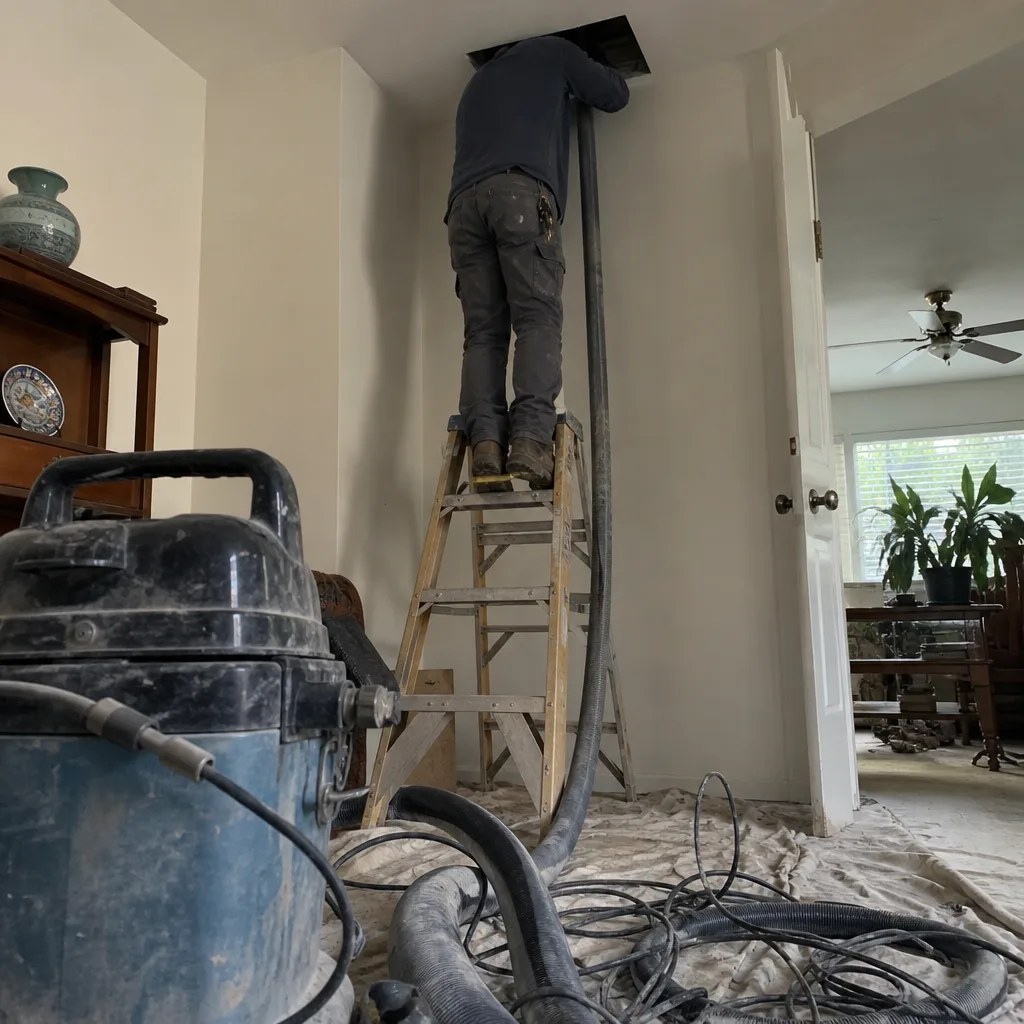 Before
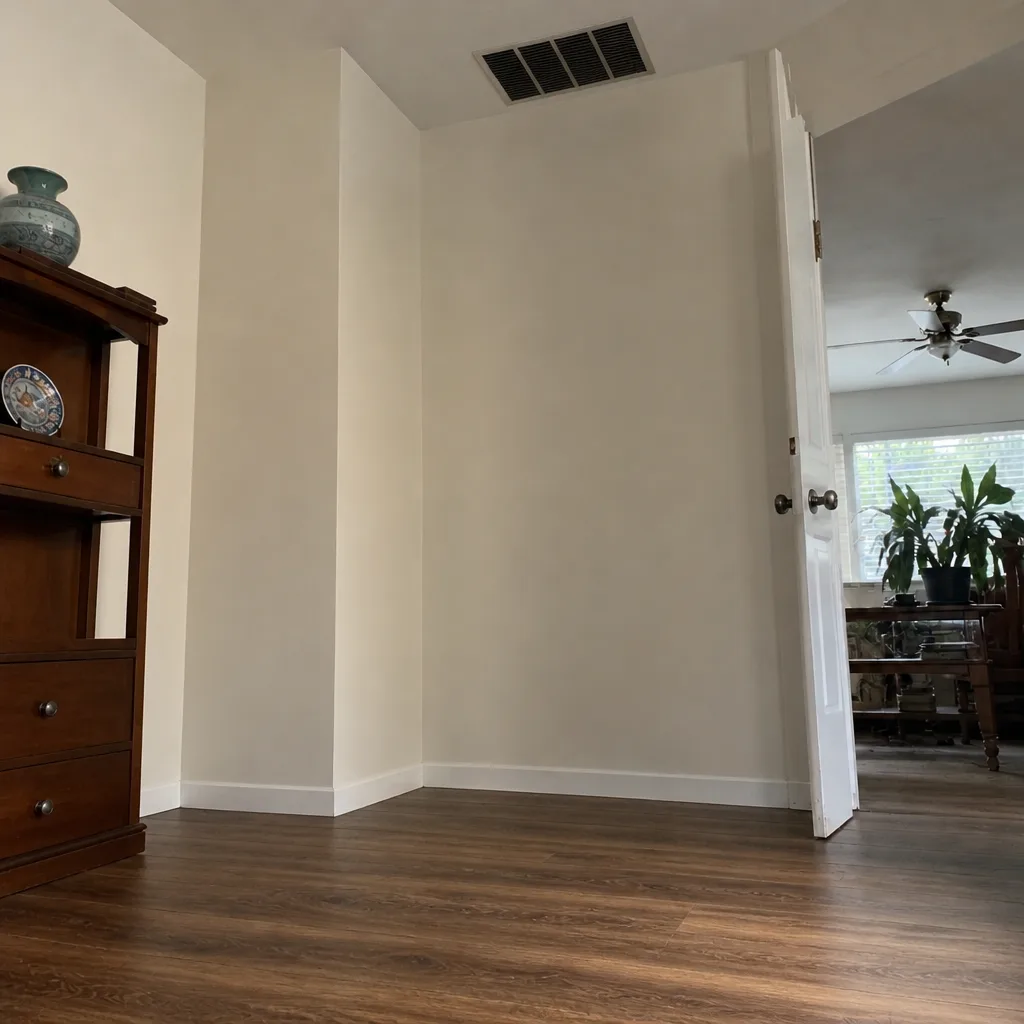 After
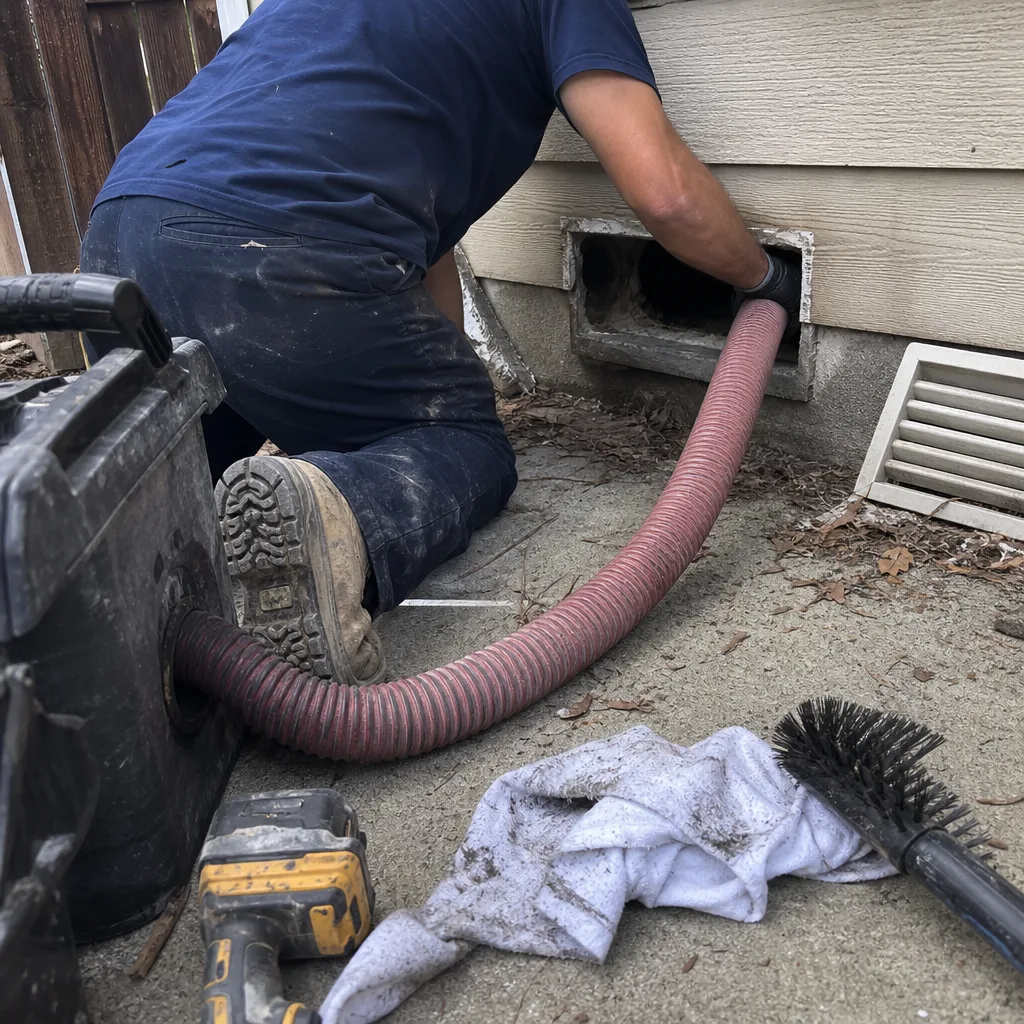 Before
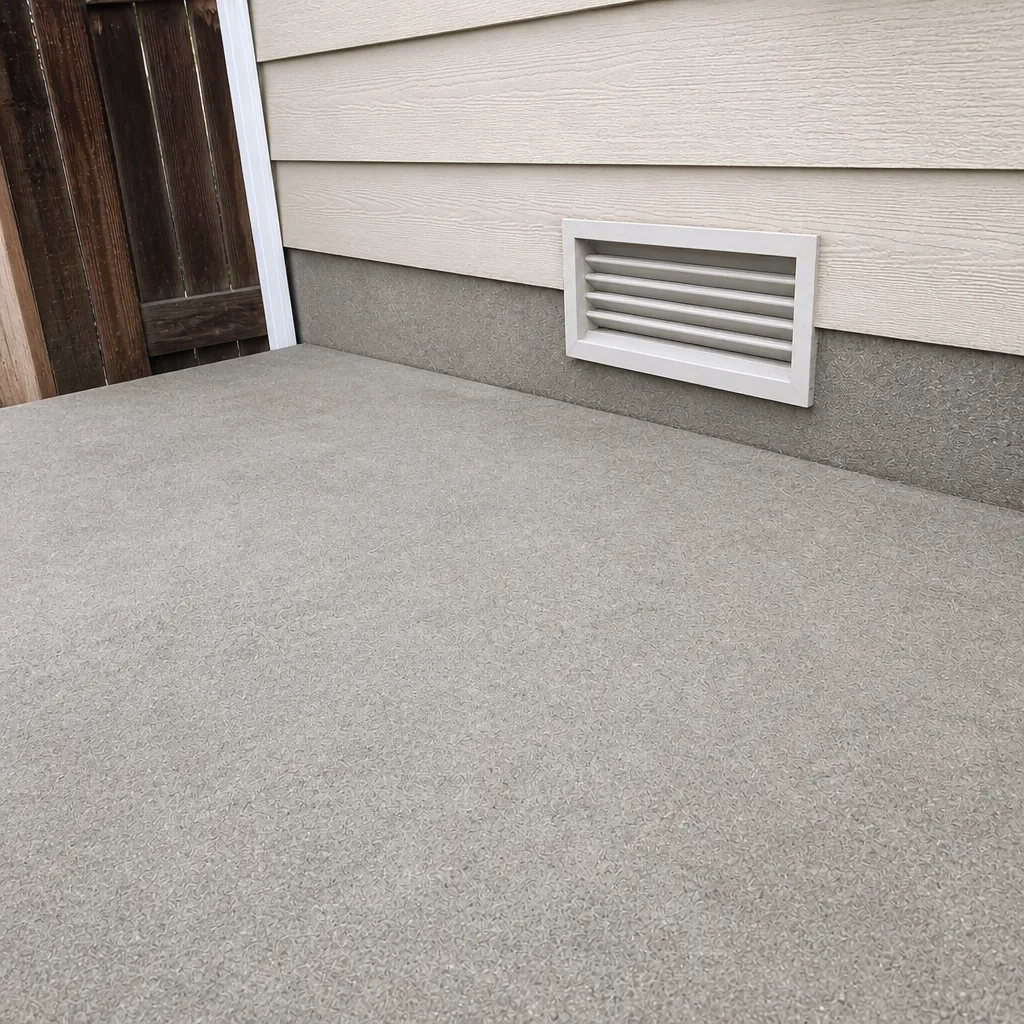 After
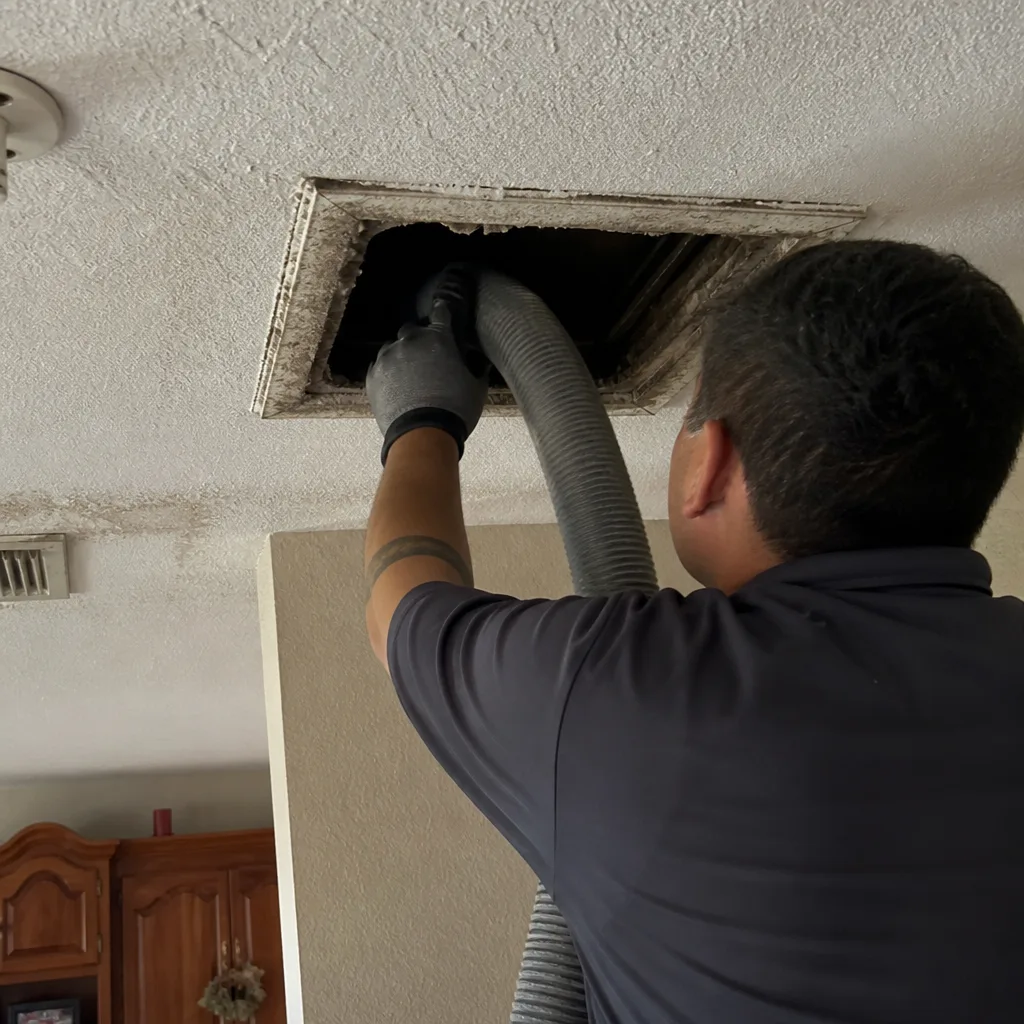 Before
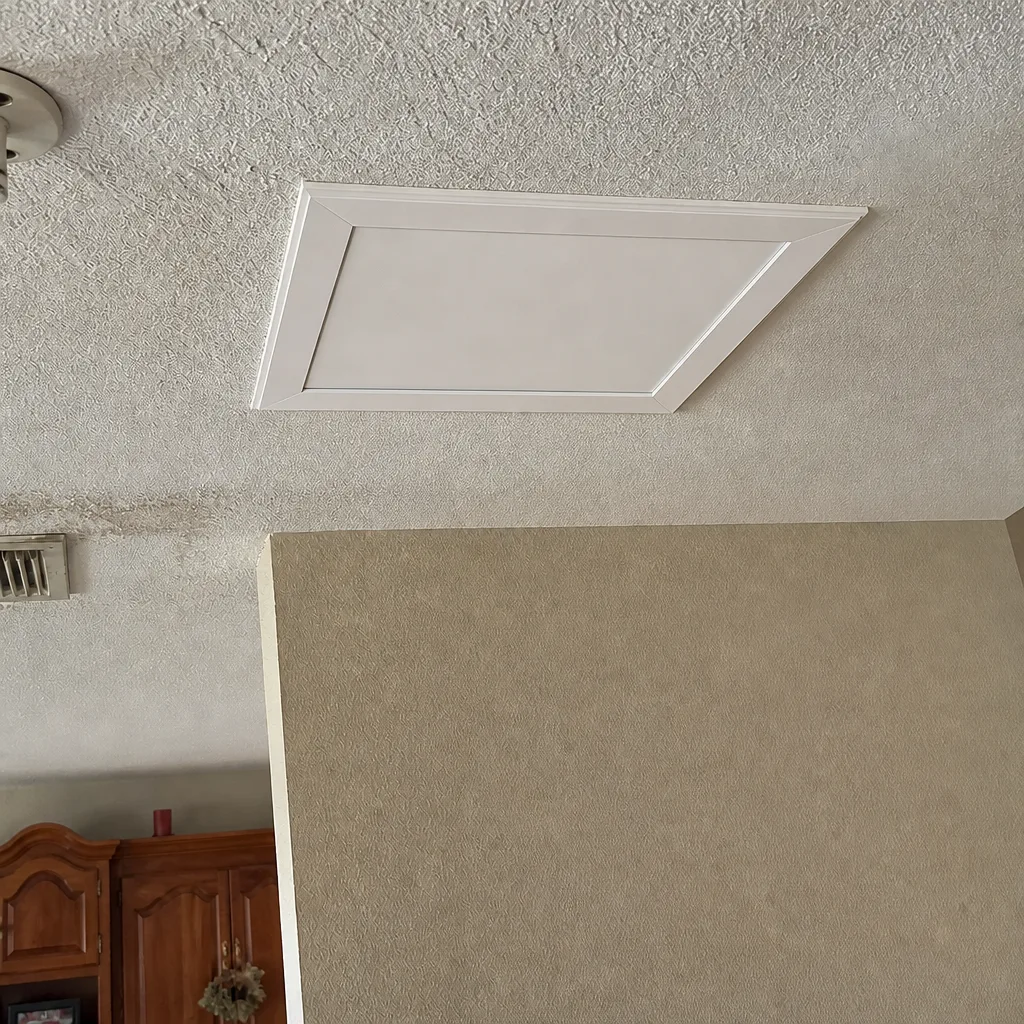 After
When to Call a Professional
Call when you see visible debris at the return grille, a filter that loads in under 45 days, or any sign of a disconnected or crushed duct run. Call when airflow drops noticeably in a room, when a remodel has been going on nearby, or after a season of Spare the Air days if the return grille shows accumulation. Call for dryer vent restriction the moment dry cycles start taking two passes instead of one. Call if your only check is a calendar reminder and you’ve never actually looked at the return side of the system.
Duct Cleaning Modesto performs duct cleaning in Modesto with professional-grade equipment, and we repair ductwork, not just clean around it. We answer 24/7. Fast dispatch from 7am to 7pm, Sunday through Friday. Free estimates and a single flat price per system, agreed before work starts.
Call (866) 256-3971. We answer 24/7. Fast dispatch from 7am to 7pm, Sunday through Friday.
Frequently Asked Questions
There’s no fixed interval that fits every Modesto home. A condition-based schedule works better: check the filter monthly through cooling season, inspect the return grilles and accessible duct connections twice a year at the seasonal transitions, and schedule cleaning when the inspections show accumulation. A home near farmland will typically need attention sooner than one in a newer subdivision. Call (866) 256-3971 for an assessment and a written estimate.
Visible matted debris at the return grille, a filter that loads in under 45 days, dust streaks at supply registers, or a smoky smell on startup after an air quality event all point to a system that needs attention. A quick visual check of the return side tells you most of what you need to know. If any of those signs are present, call (866) 256-3971 and we’ll look at it and give you a written estimate.
Low quotes usually reflect a surface pass with consumer-grade equipment rather than a full system clean with rotary brush agitation and negative-air containment. Ask any contractor what equipment they use and whether they provide before-and-after photos of your own ducts. If neither answer is specific, the price is telling you something. Call (866) 256-3971 for a written estimate at a single flat price per system.
Before-and-after photos of your own duct runs and a written record of system condition. Rotobrush and Nikro equipment on the job tells you the work was done with real mechanical agitation and vacuum, and photos show you the result. Ask for both before you book. Call (866) 256-3971 to schedule an estimate.
Cleaning removes accumulated debris the system is circulating, and a repaired system stops pulling unfiltered air in. That’s the specific effect: cleaner air moving through the system. Whether that translates to symptom relief depends on the person and the source of the allergens. If your inspection keeps showing fast filter loading, the air quality conversation is worth having, and we work with Aprilaire and Honeywell systems. Call (866) 256-3971 for a free estimate.
You can inspect them, and the checklist in this guide shows you what to look for. You shouldn’t attempt to clean them. Duct cleaning needs rotary brush agitation and negative-air containment to do properly, and dryer vent cleaning addresses a fire-safety risk that DIY snaking can’t reliably resolve. Call (866) 256-3971 for a professional assessment and a written estimate.
Inspect right before you switch from heat to AC in late spring and right before you switch back to heat in early fall. Those two windows show you the accumulated result of a full season before the next one masks it, and they’re the best opportunities you have to compare filter loading and return grille condition against the previous reading. Call (866) 256-3971 and we’ll help you set the baseline.
Before-and-after photos of your own duct runs, the equipment used by name, filter loading and system condition notes, any repair findings scoped in writing, and a single flat price agreed before work starts. Those items give the next visit something to compare against. Call (866) 256-3971 for an estimate and we’ll walk you through what the job includes.
The Bottom Line
Modesto duct maintenance works better on triggers than on dates. Track your filter loading, inspect the six points on the checklist twice a year at the seasonal windows, and watch the local triggers that dump particulate – Spare the Air days, agricultural burning, river corridor dust, and nearby construction. Keep the documentation from every visit so the next one has a baseline. And put dryer vent cleaning on the schedule as a safety item, not an add-on. Call (866) 256-3971 for a free estimate. We answer 24/7. Fast dispatch from 7am to 7pm, Sunday through Friday. Our technicians have up to 13 years of experience, and we use the same professional-grade equipment on residential work that pros use on commercial jobs.
Written by the team at Duct Cleaning Modesto.