
Last updated November 15, 2026
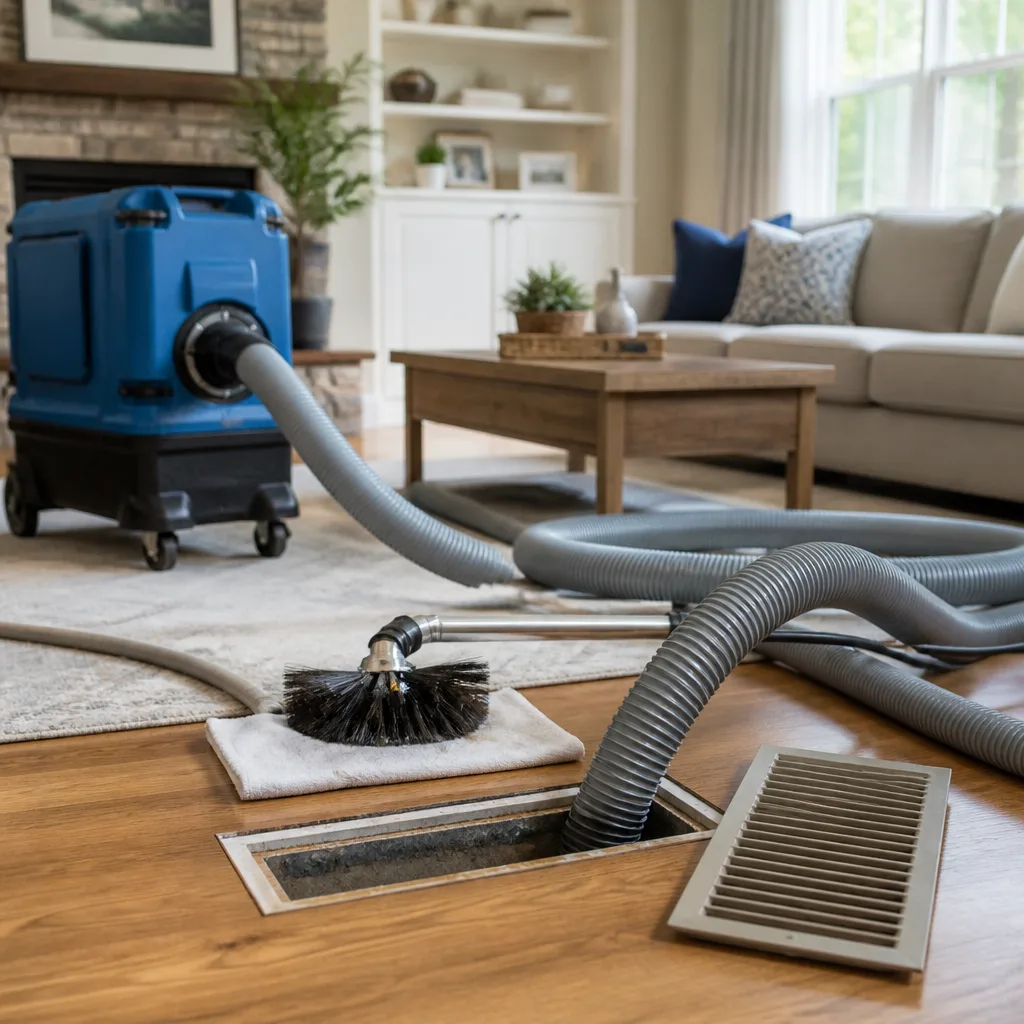 Whole-home duct cleaning
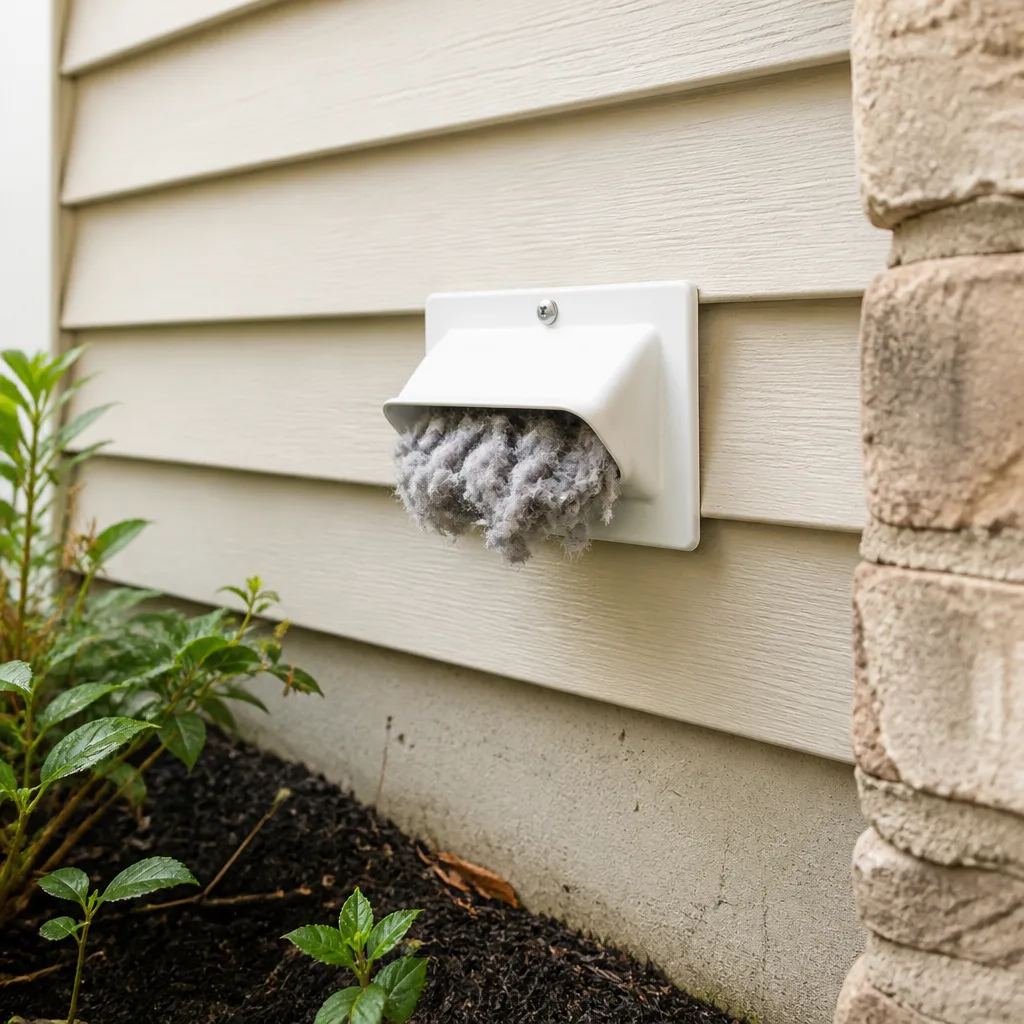 Dryer vent cleaning
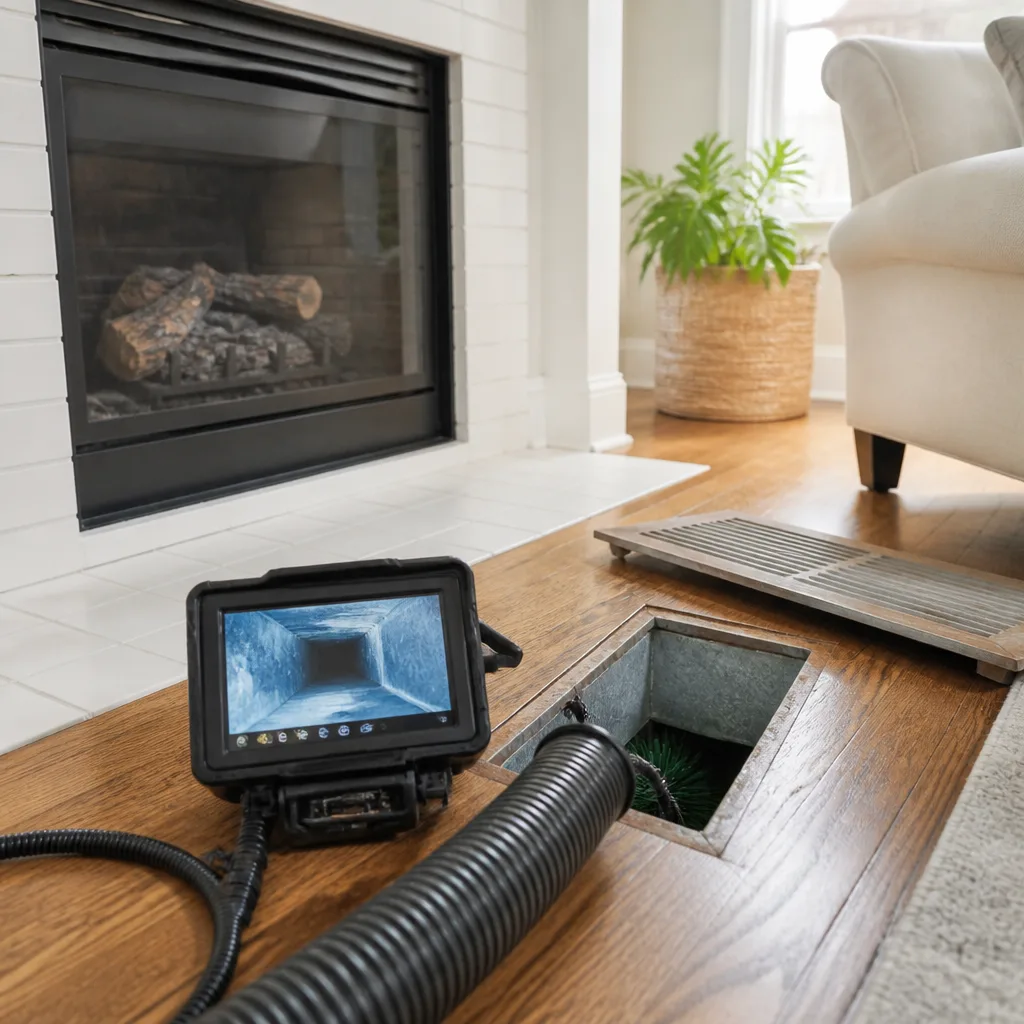 Camera inspection
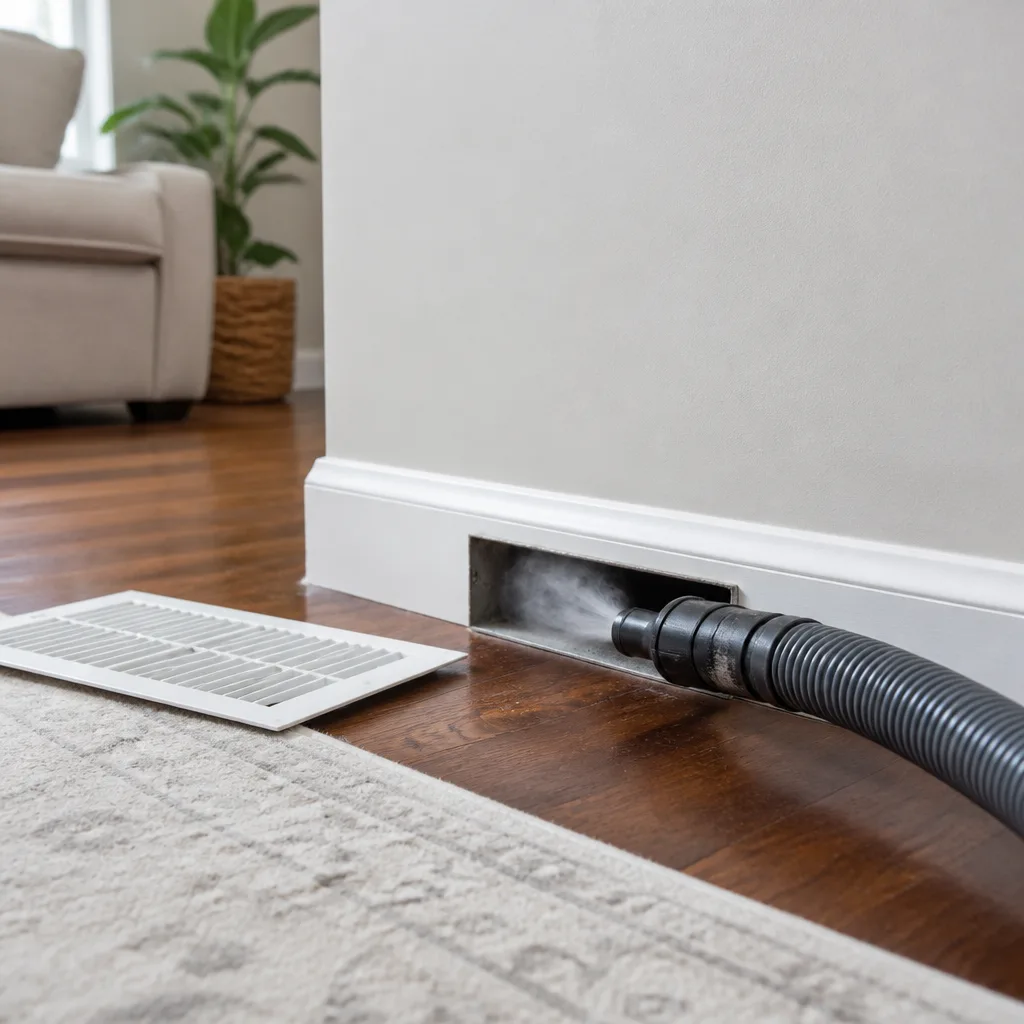 Sanitizing & deodorizing
Whole-system duct and dryer vent check with before-and-after photos - you see exactly what came out of your vents
That "$99 whole-house special" is a bait ad - the real number appears once they are in your hallway, or the "clean" is a shop-vac at the register. We photograph the inside of your ducts before and after instead.
Air Duct Cleaning Emergency Preparedness Guide for Modesto Homes
Most homeowners treat their duct system as passive plumbing for air – something that just carries conditioned air from the furnace to the rooms and never needs a second thought. That assumption breaks down during a smoke event or a flood. During the 2020 wildfire smoke events, indoor PM2.5 levels in Valley homes with the HVAC running matched outdoor levels. The duct system became a distribution mechanism, not a filter. Once smoke, moisture, or rodents get inside the ductwork, the system keeps moving that contamination through every room long after the sky clears. This guide gives Modesto homeowners a specific post-emergency protocol: how to run the HVAC during a smoke event, what to inspect afterward, how to handle water intrusion before mold takes hold, and what to document for insurance.
Styles & brands we work with
- Whole-home duct cleaning
- Dryer vent cleaning
- Camera inspection
- Sanitizing & deodorizing
Quick Answer
After a wildfire smoke event, agricultural burn day, or flood in Modesto, the duct system needs inspection before you resume normal HVAC operation – not just a filter change. Run the fan on low with the system set to recirculate during active smoke, seal windows and doors, and after the event clears, have a technician inspect the ducts for settled ash, soot, and moisture before turning the system back to normal. Water intrusion in ducts needs professional drying and remediation within 24 to 48 hours before mold establishes. Dryer vent cleaning and duct repair belong on the same checklist.
Table of Contents
- Why Modesto Ducts Take a Direct Hit During Smoke Events
- How to Run Your HVAC During Active Wildfire Smoke
- Post-Smoke Inspection: What to Check Before Resuming Normal Operation
- Water Intrusion and the Mold Clock
- Rodent Intrusion After Flooding
- Why Dryer Vent Cleaning Belongs in Your Emergency Plan
- What to Document for Insurance After an Event
- Common Mistakes to Avoid
- When to Call a Professional
- Frequently Asked Questions
Why Modesto Ducts Take a Direct Hit During Smoke Events
The Central Valley geography works against clean indoor air. Modesto sits in a bowl between the Coast Range and the Sierra foothills, and that bowl traps smoke from wildfires in the mountains and agricultural burn days on the valley floor. When the air outside is thick with particulate, the home’s HVAC system keeps pulling that air through the return ducts and pushing it back out through the supply vents. The filter catches some of it. A standard 1-inch filter catches far less than most people assume.
What doesn’t get caught settles. Particulate matter lands on the inside walls of the ductwork, on the blower wheel, on the evaporator coil, and on the register grilles. It doesn’t stay put. Every time the system cycles on, some of that settled material lifts back into the airstream. That’s the mechanism behind the smoke that seems to reappear in a house days after the air quality index has returned to normal.
Modesto’s older housing stock makes this worse. Homes built in the mid-twentieth century often have original sheet metal ductwork with taped or mastic-sealed joints that have dried and separated. A separated joint in a duct run inside a wall cavity doesn’t just leak conditioned air – it pulls unfiltered air from the wall cavity, the attic, or the crawlspace directly into the supply side. After a smoke event, those leaks become a pathway. We’ve opened duct systems after smoke events and found the most contamination at the joints, not in the straight runs.
The other overlooked factor is the dryer vent. An event that clogs ducts with lint-adjacent debris – dust, ash, fibrous material – is also a moment to check the dryer vent, which is a separate system with its own fire risk. dryer vent cleaning is a standalone safety service for exactly this reason. Lint accumulation is one of the leading causes of residential fires, and a smoke event that drives people to run the dryer more often (drying out damp towels, blankets, and clothing after an atmospheric river) is a moment to check that vent.
How to Run Your HVAC During Active Wildfire Smoke
The generic advice to “just turn off the HVAC” is wrong for most homes. Shutting the system down entirely stops filtration and lets the indoor environment stagnate – and during a multi-day smoke event, temperatures inside a Modesto home can climb fast. The better approach is to run the system in a controlled mode that maximizes filtration while minimizing new contamination.
- Set the fan to ON, not AUTO. Continuous fan operation keeps air moving through the filter instead of letting it sit. On AUTO, the fan cycles off with the thermostat and the filter stops working between cycles.
- Set the thermostat to FAN or CIRCULATE, and close the fresh-air intake if you have one. Many modern systems have a fresh-air damper that pulls outdoor air into the return. During a smoke event, close it. If you’re not sure whether your system has one, have a technician check.
- Upgrade the filter for the event – but not beyond what the system can handle. A MERV 13 filter captures fine smoke particulate far better than a basic fiberglass filter. A filter rated too high for the blower will restrict airflow and strain the system. Check the manufacturer’s maximum MERV rating for your unit before upgrading.
- Seal the obvious gaps. Weatherstripping around doors, a towel under the door, and painter’s tape around window frames (temporary, removed after the event) reduce the smoke that gets in through the envelope and has to be filtered.
- Don’t run the dryer, bathroom fans, or kitchen exhaust hood during the event. Every exhaust fan pulls air out of the house, which means replacement air gets pulled in from outside, around the gaps you just sealed and through the return duct.
- Check the filter more often than usual. During a heavy smoke event, a filter that normally lasts three months can load up in two weeks. Inspect it, and replace it when it darkens.
If your home has a whole-house air cleaner or a media cabinet that accepts a deeper filter, this is the moment it earns its keep. Systems that work with Aprilaire and Honeywell filtration components are designed to hold a higher-MERV media filter without choking the blower. If you’re not sure what your system can accept, that’s a conversation worth having before the next smoke season, not during one.
One more thing: if you have a window unit or a portable air conditioner, don’t run it during a smoke event unless it recirculates indoor air only. A single-hose portable unit pulls outdoor air into the room and pushes it back out – it will happily pump smoke into your living room.
Post-Smoke Inspection: What to Check Before Resuming Normal Operation
Once the air quality index returns to normal and the smoke clears, the duct system needs a look before you flip everything back to normal. This is the step most homeowners skip, and it’s the one that determines whether the smoke contamination stays in the ducts or gets cycled back into the living space for the rest of the season.
Here’s the inspection protocol we recommend, in order:
- Look at the register grilles. Pull one supply register in the room where smoke seemed heaviest. A visible grey or black film on the grille and the duct opening behind it is a sign that particulate reached the supply side.
- Check the return air filter and the filter slot. Soot and fine ash collected around the filter frame – not just on the filter face – suggests the return ducting pulled in unfiltered air.
- Smell the system. Run the fan for 15 minutes with the system in fan-only mode. If the air coming out of the registers smells like smoke, campfire, or char, contamination is in the duct system, not just in the room air.
- Look for visible soot at the joints. In a home with exposed ductwork in the attic or crawlspace, inspect the joints and seams. Disconnected or failed joints near the return side are the first place contamination shows.
- Check for moisture. Smoke events often come with weather changes – rain, humidity swings, and condensation inside metal ductwork. Any moisture is a flag for the next section.
- Have a technician inspect the duct interior. A camera inspection or a vacuum test will show what’s actually inside. This is where professional equipment matters, and where the difference between a shop-vac setup and a real duct cleaning system shows up. An air duct cleaning service that uses a rotary brush system and a negative-air machine is doing a fundamentally different job than one that wipes the registers.
If smoke odor is coming out of the registers and the ducts are visibly contaminated, the system needs professional cleaning. If the ducts are clean and the smell is coming from soft furnishings, carpet, and upholstery, you’re looking at a different problem – airing the house out, laundering fabrics, and wiping hard surfaces, not a duct job.
Water Intrusion and the Mold Clock
Water in a duct system is a different order of problem from smoke. Smoke settles and can be cleaned. Moisture that stays in place starts a clock. Mold can establish on duct liners, insulation, and organic dust in as little as 24 to 48 hours under warm, humid conditions. Modesto’s summers are hot, which speeds that timeline up, not down.
The water intrusion scenarios that matter most for Modesto duct systems:
- Atmospheric river events and heavy rain driven against the roof. Roof leaks that drip into the attic can run down into duct runs, soak duct insulation, and pool at low points in the system.
- Tuolumne River area flooding and groundwater intrusion. Homes in low areas near the river can take on water through the foundation and crawlspace, which wets the ducts from the bottom up.
- Condensate line and drain pan failures. The air handler’s condensate drain can clog or fail and send water into the duct system. This is a year-round risk, not just during storms.
- Flooded return-air plenums. A return plenum in a low crawlspace or garage slab can take on water and hold it long after the visible flooding recedes.
What to do if you suspect water got into the ducts: stop running the system. Running a wet system spreads moisture and mold spores through the entire house. Then call for a professional inspection, ideally the same day. Duct drying and remediation – not just cleaning – is what’s called for. This is the scenario where containment-grade equipment matters. Abatement Technologies negative-air machines are built to create negative pressure around a contaminated zone so that spores don’t migrate while the work is happening. A shop vac and a fan don’t do that.
Don’t assume a duct system that feels dry on the surface is dry inside. Duct insulation and lining hold water. If a duct run was submerged or soaked, it needs to be opened and inspected, not just aired out. In some cases, wet insulated duct sections need to be replaced rather than dried, and that’s an air duct repair conversation, not a cleaning one.
Rodent Intrusion After Flooding
Flooding and heavy rain displace wildlife. Rats and mice that were living in fields and ditches around Modesto’s agricultural periphery look for higher, drier ground when their burrows flood. A warm, dry HVAC system with a return duct running through a crawlspace or attic is exactly what they’re looking for. This is one of the more common and least discussed post-flood duct problems in the Central Valley.
Signs that rodents have gotten into the duct system:
- Droppings inside the register boots, on top of the air handler, or in the return plenum.
- Nesting material (shredded paper, insulation, fibers) pulled into duct runs.
- Chewed duct joints, flex duct, or insulation facing.
- A musky, stale smell from the registers when the fan runs.
- Scratching or movement sounds at the register or in the wall cavity.
Rodent contamination in ducts is not something to clean up with a vacuum and a mask. Hantavirus, salmonella, and other pathogens ride on rodent droppings and urine, and dry droppings can become airborne when disturbed. A professional cleaning with negative-air containment is the right approach, followed by duct repair to seal the entry points so they don’t come back. Sealing the gaps matters as much as the cleaning. A system cleaned today and open to the crawlspace tomorrow is a system the next generation of rodents will find.
If you’re in an area with a lot of nearby orchards or field ground, checking the duct system for rodent intrusion after every wet winter is worth the effort. It’s a quick inspection and it prevents a much bigger problem.
Why Dryer Vent Cleaning Belongs in Your Emergency Plan
Emergency preparedness for a home’s air systems isn’t only about ducts. The dryer vent is a separate system, and it’s one of the leading causes of residential fires. A smoke event, a power outage, and a storm all push homeowners to run the dryer more often – drying out damp clothing, bedding, and towels. If the vent has been quietly loading up with lint for a year or more, that higher usage is exactly when the fire risk goes up.
What a dryer vent cleaning involves, and why it’s a service rather than a chore:
- Lint accumulates not just behind the dryer but through the entire vent run, especially at elbows and where the vent exits the wall or roof.
- A clogged vent doesn’t just risk fire; it makes the dryer run longer and hotter, which shortens the appliance’s life.
- A dedicated dryer vent cleaning uses brushes and vacuum equipment designed for the vent run – not a leaf blower or a shop vac pressed into service.
Add the dryer vent to the same checklist as the duct inspection. After a storm, if the dryer is running longer than it used to, if clothes feel hot at the end of a cycle, or if there’s a burning smell, stop using the dryer until the vent is checked. Clean ducts, repaired ducts, safe vents – one call.
What to Document for Insurance After an Event
If a smoke event, flood, or storm causes duct contamination or damage that rises to the level of an insurance claim, the documentation you gather in the first days matters. Insurers want evidence that ties the damage to a specific event, and duct damage is often an add-on to a larger claim rather than the headline item.
What to gather, in order:
- Date-stamped photos before you clean anything. Photograph the register grilles, visible soot at duct openings, water staining, and any rodent evidence. Photos of the room and the register together help establish location.
- A written timeline. Note when the event happened (the smoke days, the storm, the flooding) and when you first noticed the duct problem.
- Air quality data for the event dates. Public air quality index readings for the smoke event dates help establish that the event was severe enough to cause the damage.
- A professional inspection report. A written inspection with photos of the duct interior, moisture readings, and a description of the contamination is far stronger than a homeowner’s note.
- The written estimate for the work. Insurers want a scope and a price. “The ducts need cleaning” isn’t a claim item; an itemized estimate is.
- Receipts and records for anything replaced – filters, duct sections, the dryer vent run.
We work with homeowners’ insurers on duct remediation claims regularly. We can’t tell you what your policy covers, and we don’t play adjuster – but we can give you the documentation your adjuster will ask for. Ask for the inspection report and the itemized estimate in writing, and keep a copy. If duct remediation becomes a claim item, that paperwork is the difference between a smooth process and a frustrating one.
If you’re a landlord or property manager, keep duct inspection reports on file for each unit. After a smoke event, a documented inspection is good risk management for the property as well as for the tenants.
Common Mistakes to Avoid
- Turning the HVAC off entirely during a smoke event. Shutting the system down stops filtration and lets smoke settle inside. Run the fan continuously with a properly rated filter instead, and close the fresh-air intake if you have one.
- Assuming a filter change solves smoke contamination. A new filter catches what’s in the air going forward. It does nothing about the particulate already settled on the duct walls, blower wheel, and coil. Those need mechanical cleaning, not another filter.
- Running wet ducts to “dry them out.” If water got into the system, running it spreads moisture and mold spores through the house. Stop the system and call for inspection. In Modesto’s warm summers, the mold window is measured in hours, not weeks.
- Cleaning up rodent droppings in the ducts yourself. Disturbing dry droppings without containment sends pathogens into the air you breathe. This is a professional job with negative-air equipment, not a shop-vac job.
- Using a consumer-grade shop vac for duct cleaning. A shop vac pushes as much fine dust into the room as it pulls out of the duct, and it can’t reach the duct walls. Negative-air machines and rotary brush systems exist because a shop vac doesn’t do this job. The tools matter.
- Waiting to check the dryer vent until the dryer starts acting up. By then lint has been accumulating for a long time. A dryer vent that runs long, runs hot, or smells hot is already late. Add it to the post-event checklist.
- Cleaning without repairing the duct system. A dirty duct system with failed joints and disconnected runs will just get dirty again. Seal the leaks and repair the damage as part of the same job – otherwise you’re cleaning around the problem, not fixing it.
- Skipping the documentation until after the work is done. Before-photos, an inspection report, and a written estimate are much harder to reconstruct once the ducts are clean. Gather them in the first days after an event.
When to Call a Professional
Some duct problems are manageable with a filter change and a thorough look. Others are not. Call a professional when smoke odor is still coming from the registers after the air clears and the filter has been changed, when there’s any evidence of water in the ducts, when you find rodent droppings or nesting material in the return, when the dryer vents slowly or smells hot, or when an insurer asks for an inspection report. Call if you’ve had work done by a shop-vac setup before and you’re not sure what was actually cleaned. And call if you’re preparing a home for sale or a rental turnover after an event and need documentation. Duct Cleaning Modesto offers free estimates in Modesto – call (866) 256-3971. We answer 24/7. Fast dispatch from 7am to 7pm, Sunday through Friday. We arrive with professional-grade Rotobrush and Nikro equipment on every job, work with Aprilaire and Honeywell air quality products, and use Guardsman products for protective finishing.
Frequently Asked Questions
Within the first few weeks after the air clears, if you saw smoke odor from the registers, visible soot at the grilles, or a dark film on the filter frame. If the ducts pass the inspection, you don’t need a cleaning – but the inspection itself should happen before you resume normal HVAC operation, because running the system spreads any settled contamination. Call (866) 256-3971 for a free estimate.
A higher-MERV filter helps, but only if your system can handle it without airflow restriction, and only if the fan runs continuously so the filter is actually working. Set the fan to ON, close the fresh-air intake, and check the manufacturer’s maximum MERV rating before upgrading. A filter is a barrier; it doesn’t remove contamination that’s already in the ducts. Call (866) 256-3971 for an inspection.
The main signs are water staining around registers, musty odor from the vents, visible moisture or condensation on duct runs in the attic or crawlspace, and a dryer or air handler that runs but doesn’t seem to be doing its job. If you suspect water intrusion, stop running the system and call for inspection. Mold can establish in 24 to 48 hours in warm, humid conditions. Call (866) 256-3971.
Flooding displaces rodents from fields and ditches, and they move to higher, drier ground – often the crawlspace or attic where your duct system runs. Chewed flex duct, droppings, and nesting material are the signs. Cleaning rodent contamination requires negative-air containment to protect your indoor air, followed by duct repair to seal the entry points. Call (866) 256-3971 for an inspection.
That depends on your policy, and we can’t determine coverage for you. What we can do is provide the documentation an adjuster will ask for: a written inspection report with photos of the duct interior, a description of the contamination, and an itemized estimate. Gather date-stamped photos and a timeline before any cleaning starts. Call (866) 256-3971 for an inspection and estimate.
A professional cleaning uses a rotary brush system to agitate the duct walls and a negative-air machine to pull the loosened debris out of the system under containment. A shop vac can’t reach the duct walls and can push fine dust back into the room. The Rotobrush and Nikro equipment we use on every job is the same class of equipment commercial contractors use. Call (866) 256-3971 to schedule.
Yes – they’re separate systems. The dryer vent is a dedicated safety service because lint accumulation is one of the leading causes of residential fires, and duct cleaning does nothing for it. If the dryer runs long, runs hot, or smells hot, stop using it until the vent is checked. Call (866) 256-3971.
The Bottom Line
The Central Valley’s smoke events, burn days, and atmospheric river storms push contamination and moisture into Modesto homes in ways that a standard HVAC filter can’t address. The protocol is straightforward: during a smoke event, run the fan continuously with a properly rated filter and close the fresh-air intake. After the event, inspect before resuming normal operation. After water intrusion, stop the system and call for inspection within 24 to 48 hours. After flooding, check for rodents. Add the dryer vent to the checklist, and document everything if a claim is possible. Cleaning, repair, and safe vents – one call.
We’re Duct Cleaning Modesto, and we handle the full duct health picture for Modesto homes and rental properties. Our technicians have up to 13 years of experience, and we arrive with professional-grade equipment on every job. Call (866) 256-3971 for a free estimate. We answer 24/7. Fast dispatch from 7am to 7pm, Sunday through Friday.
Written by the team at Duct Cleaning Modesto.
See the difference
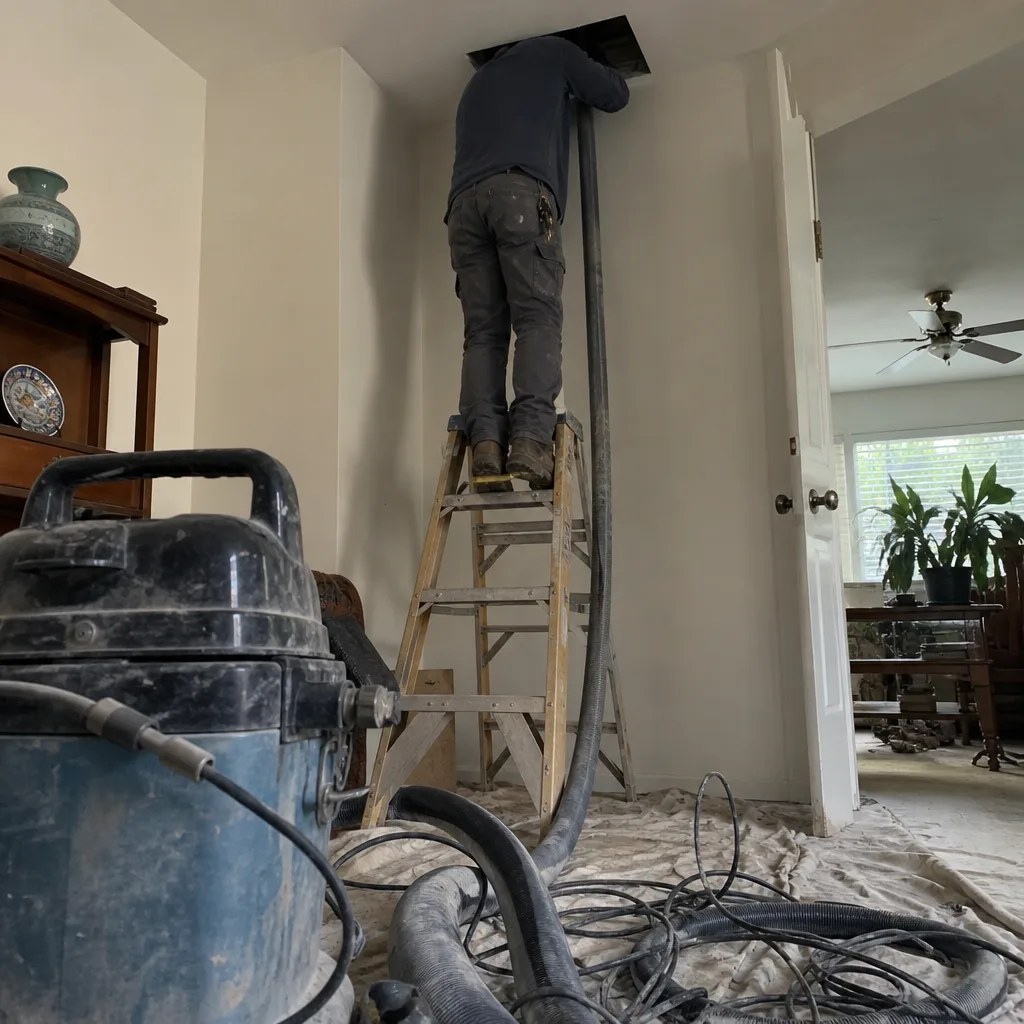 Before
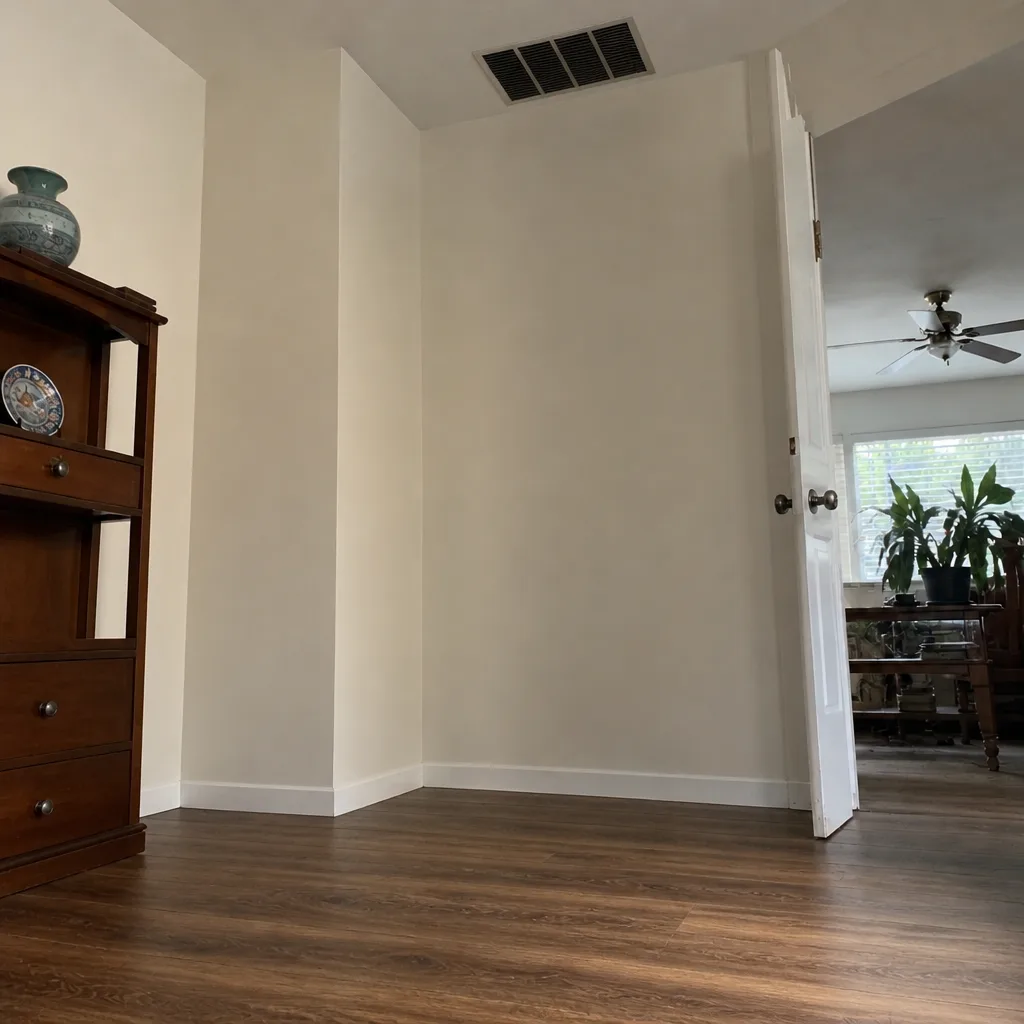 After
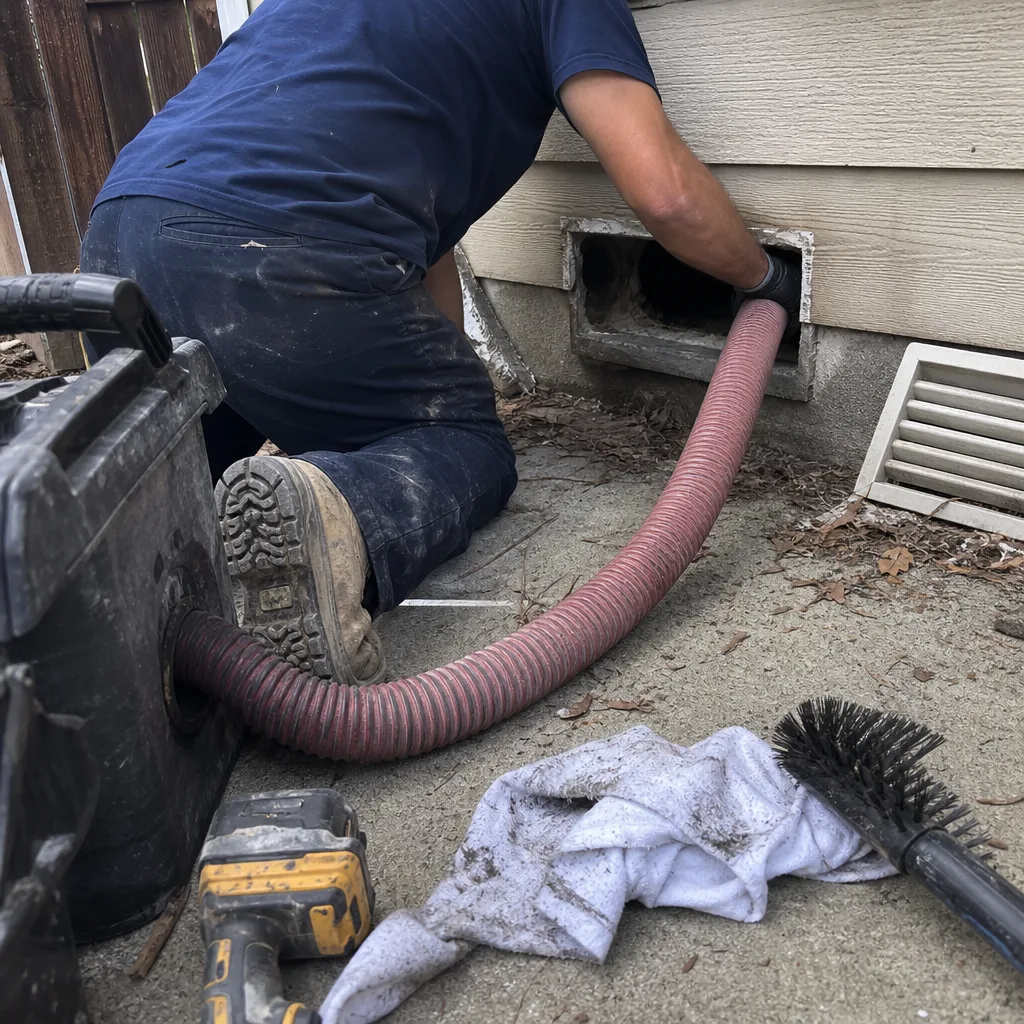 Before
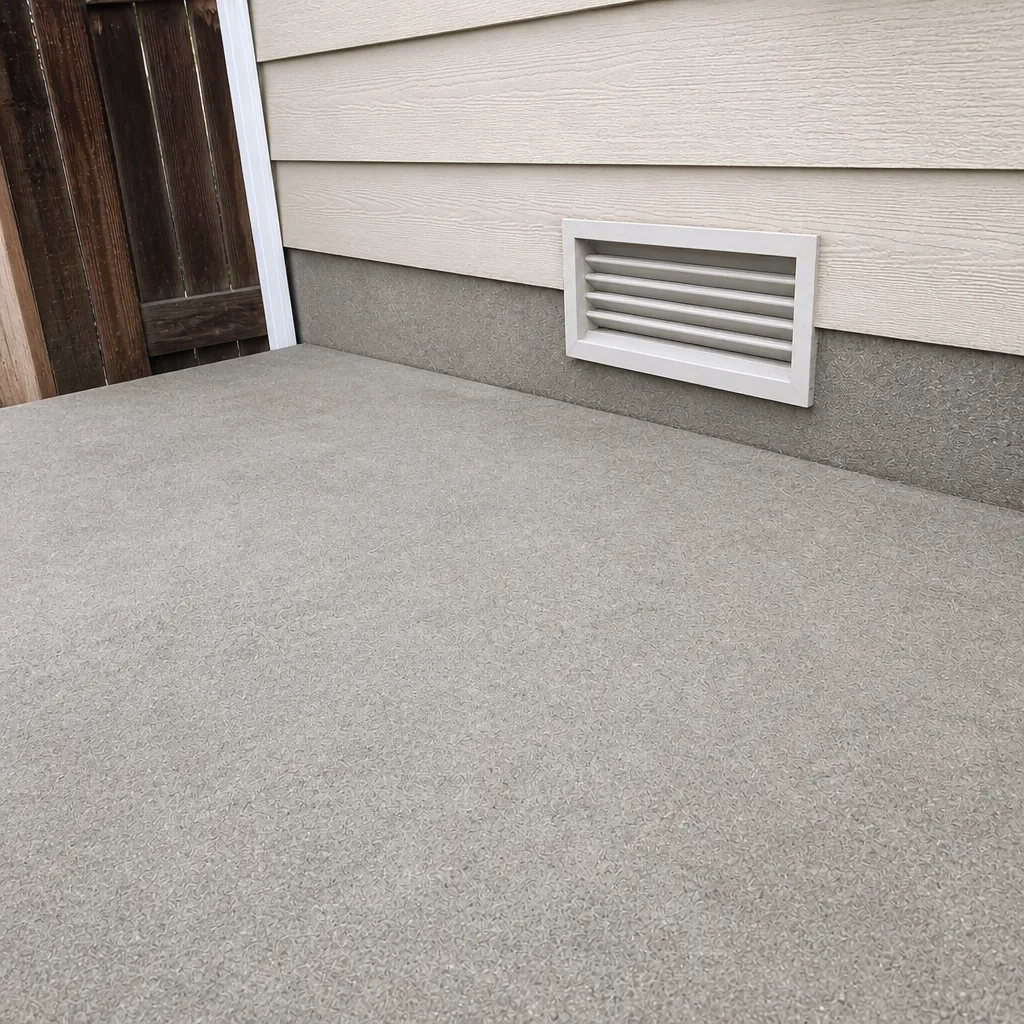 After
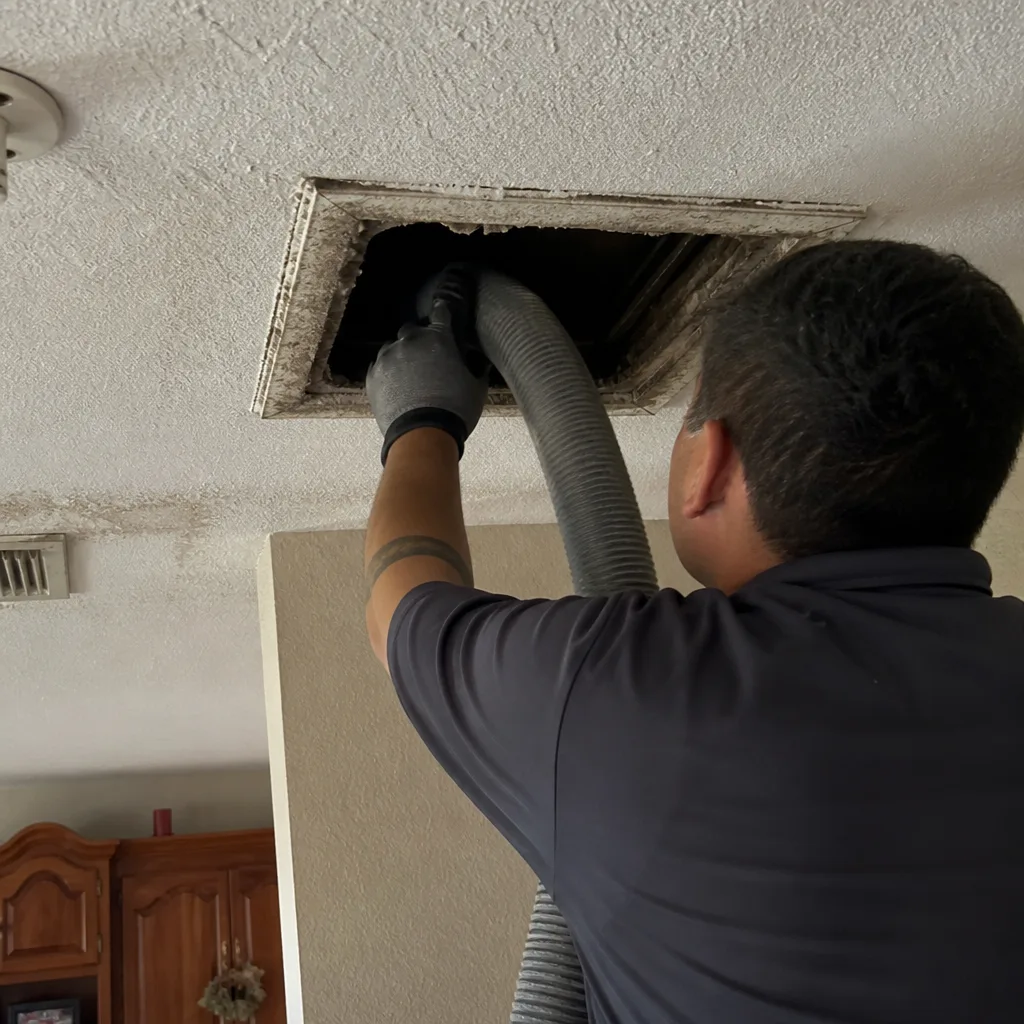 Before
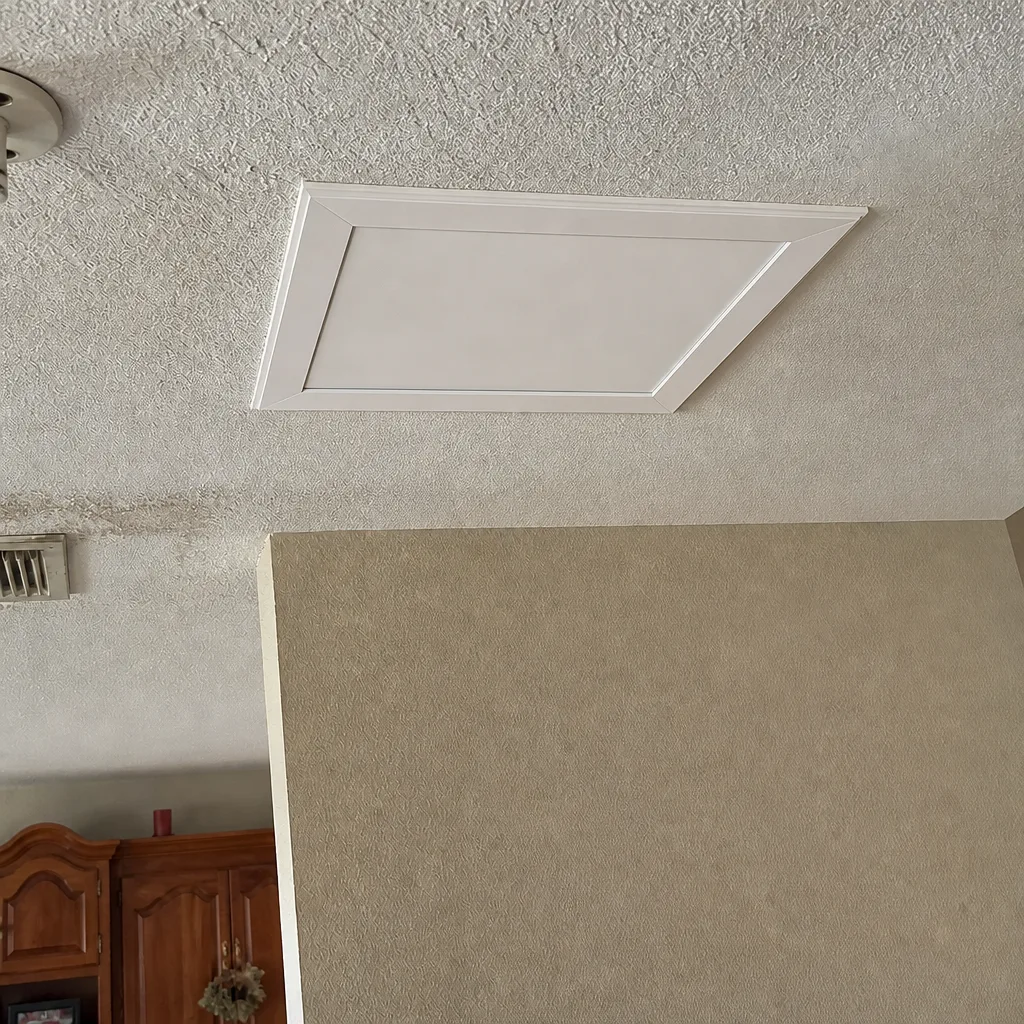 After