
Last updated November 15, 2026
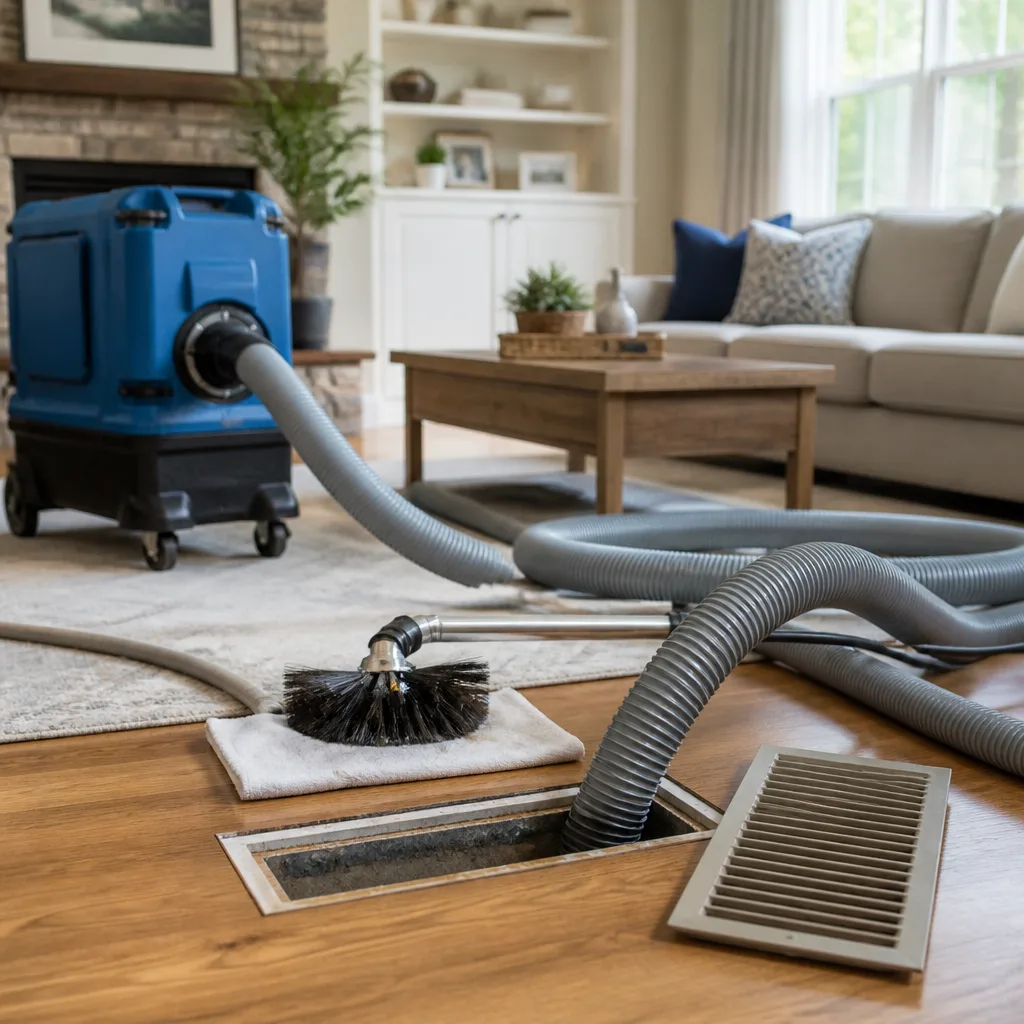 Whole-home duct cleaning
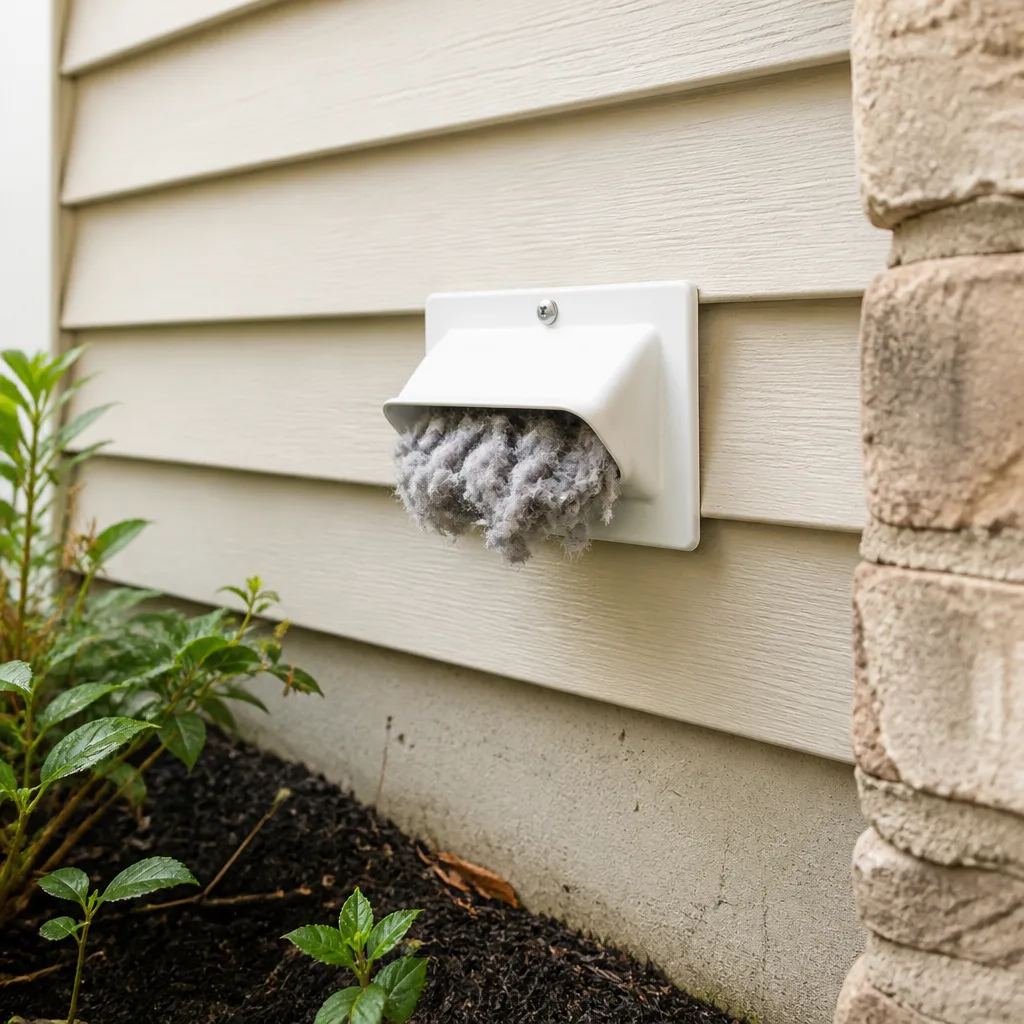 Dryer vent cleaning
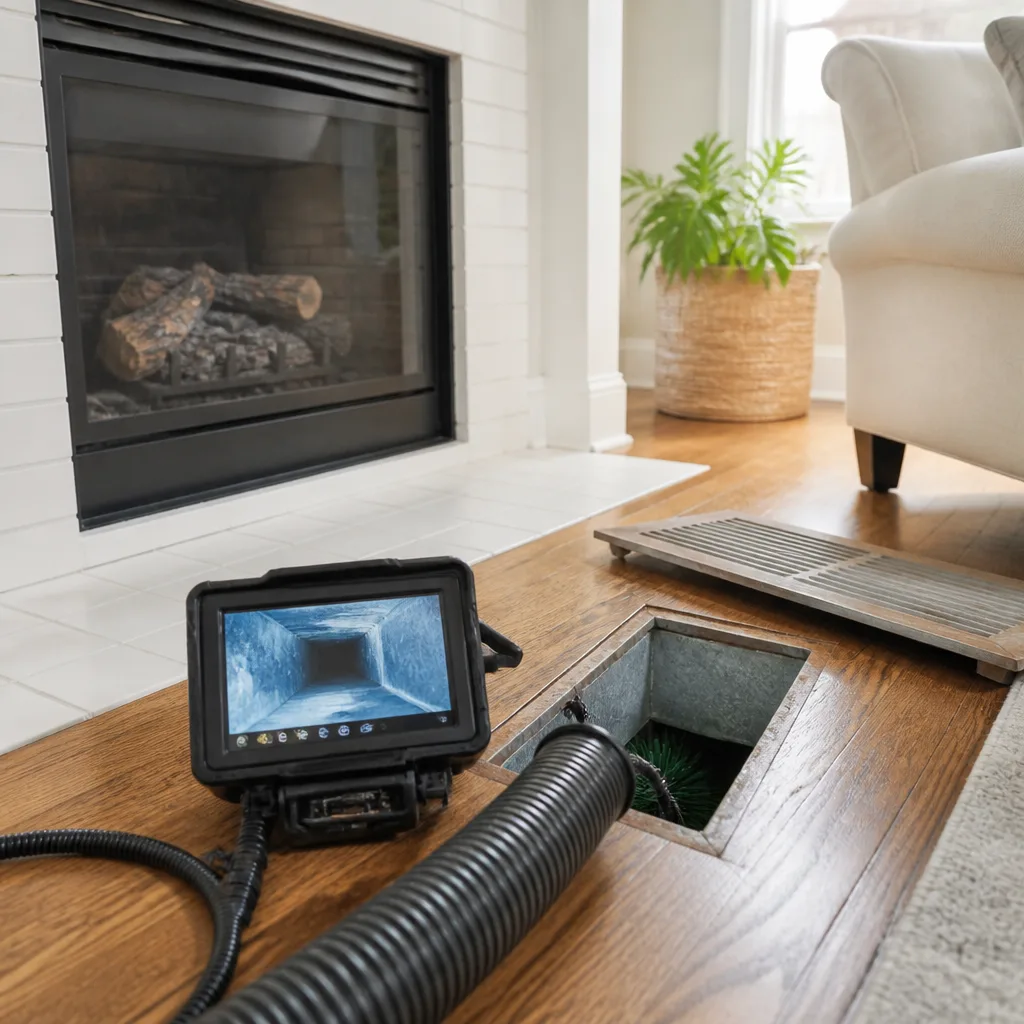 Camera inspection
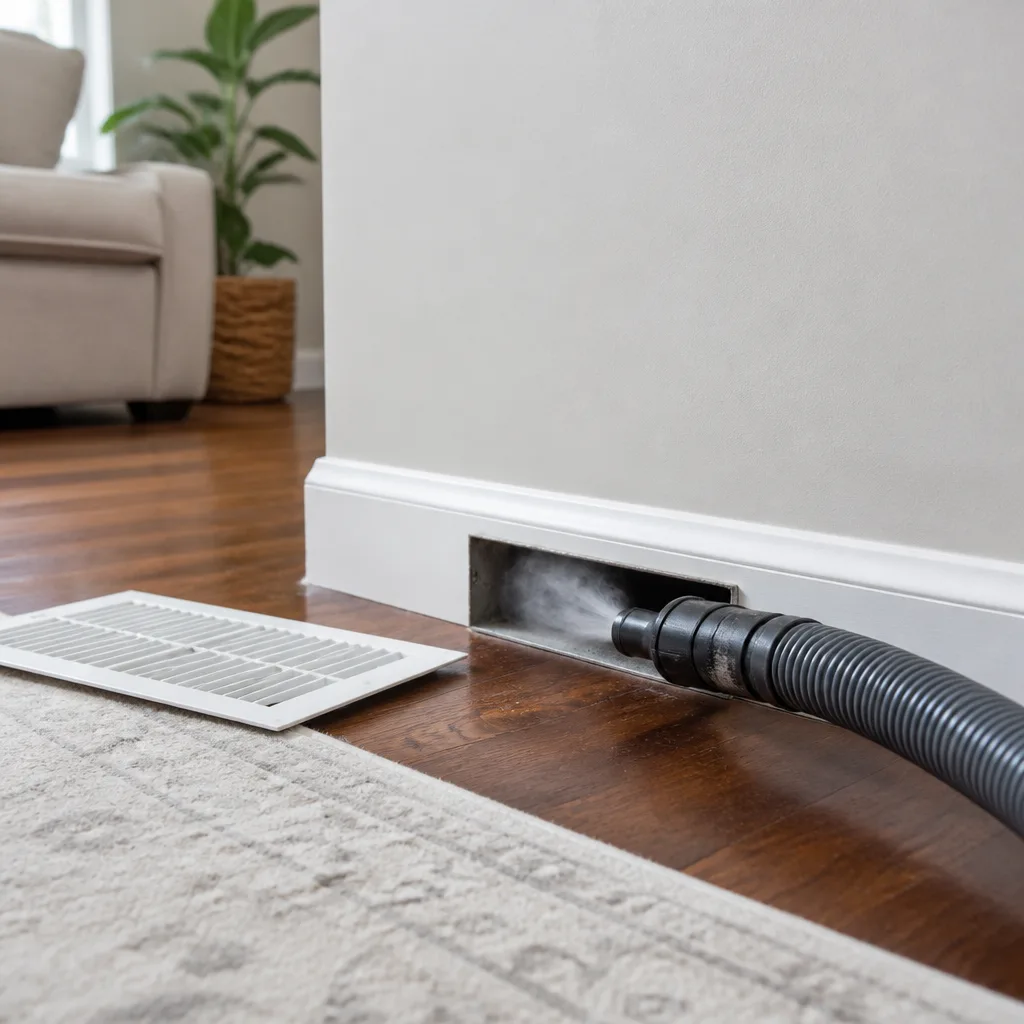 Sanitizing & deodorizing
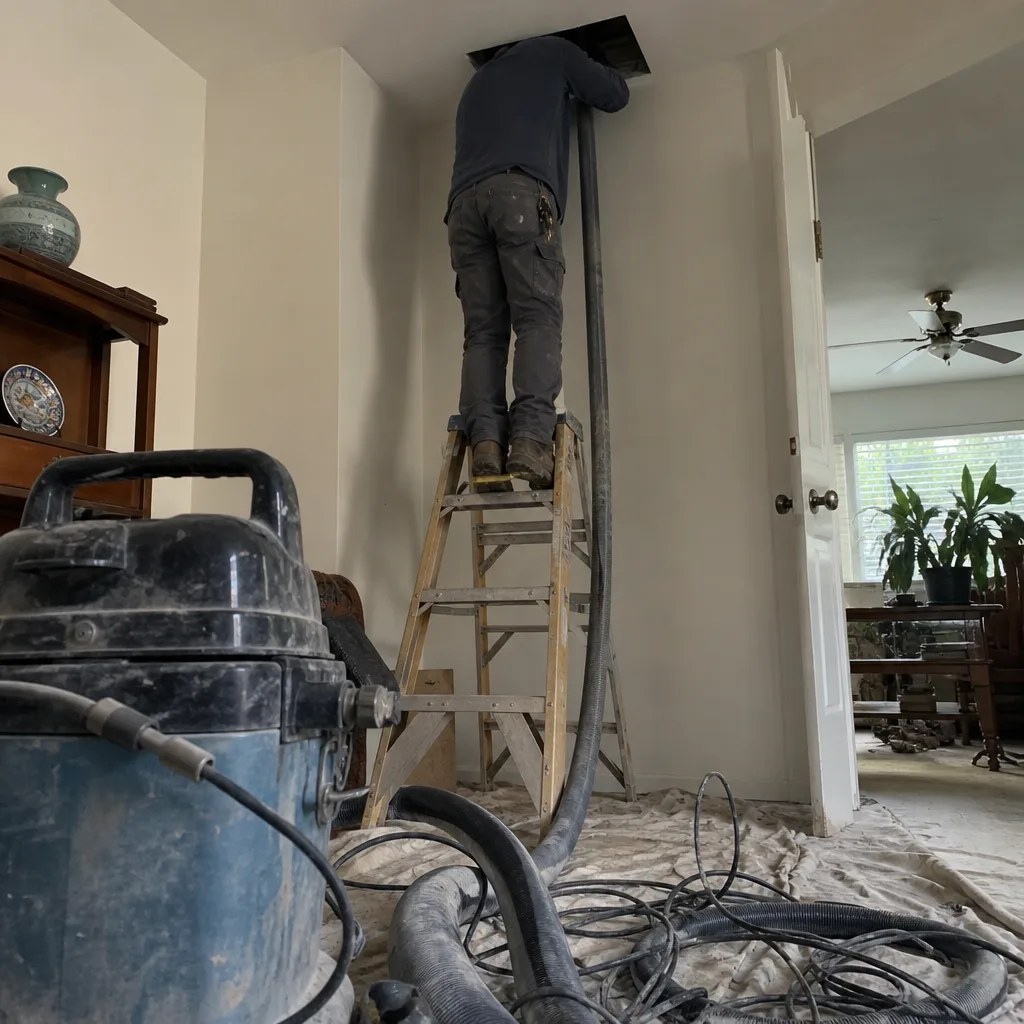
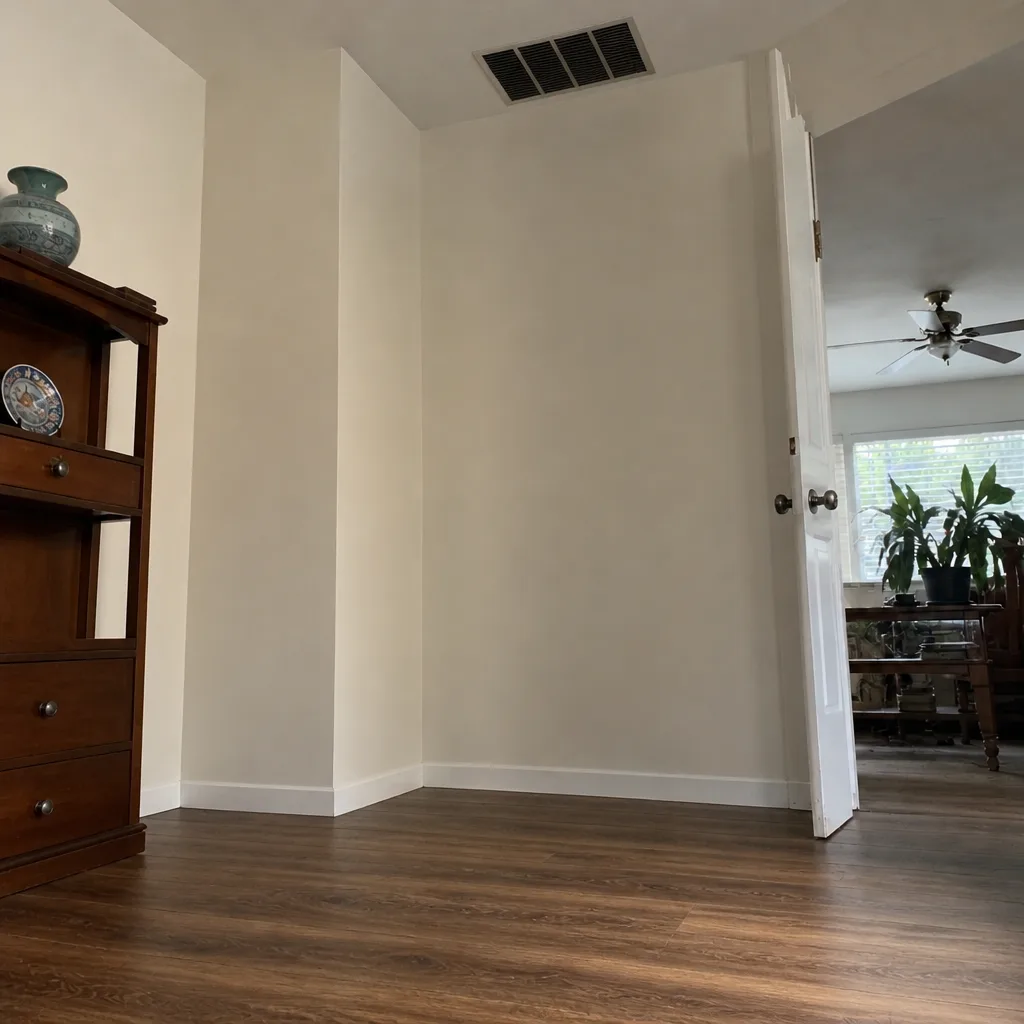
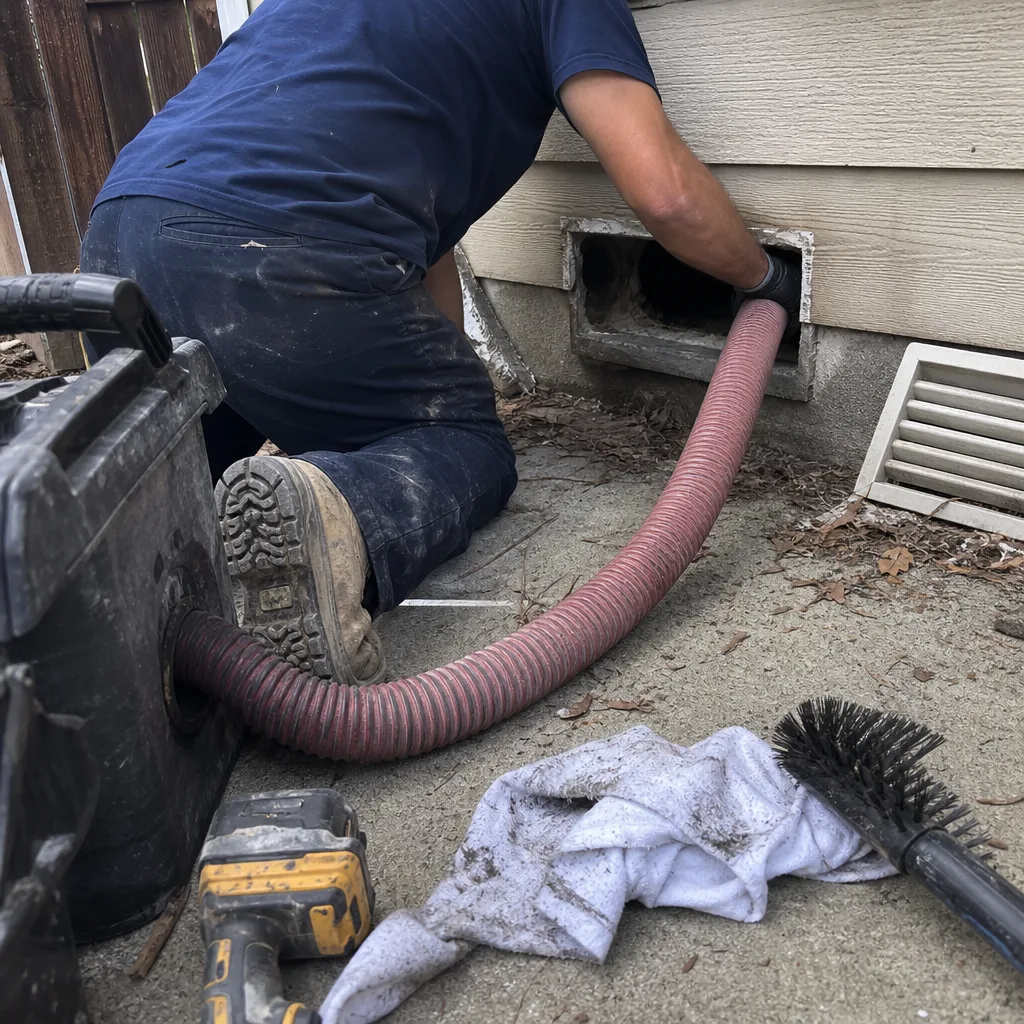
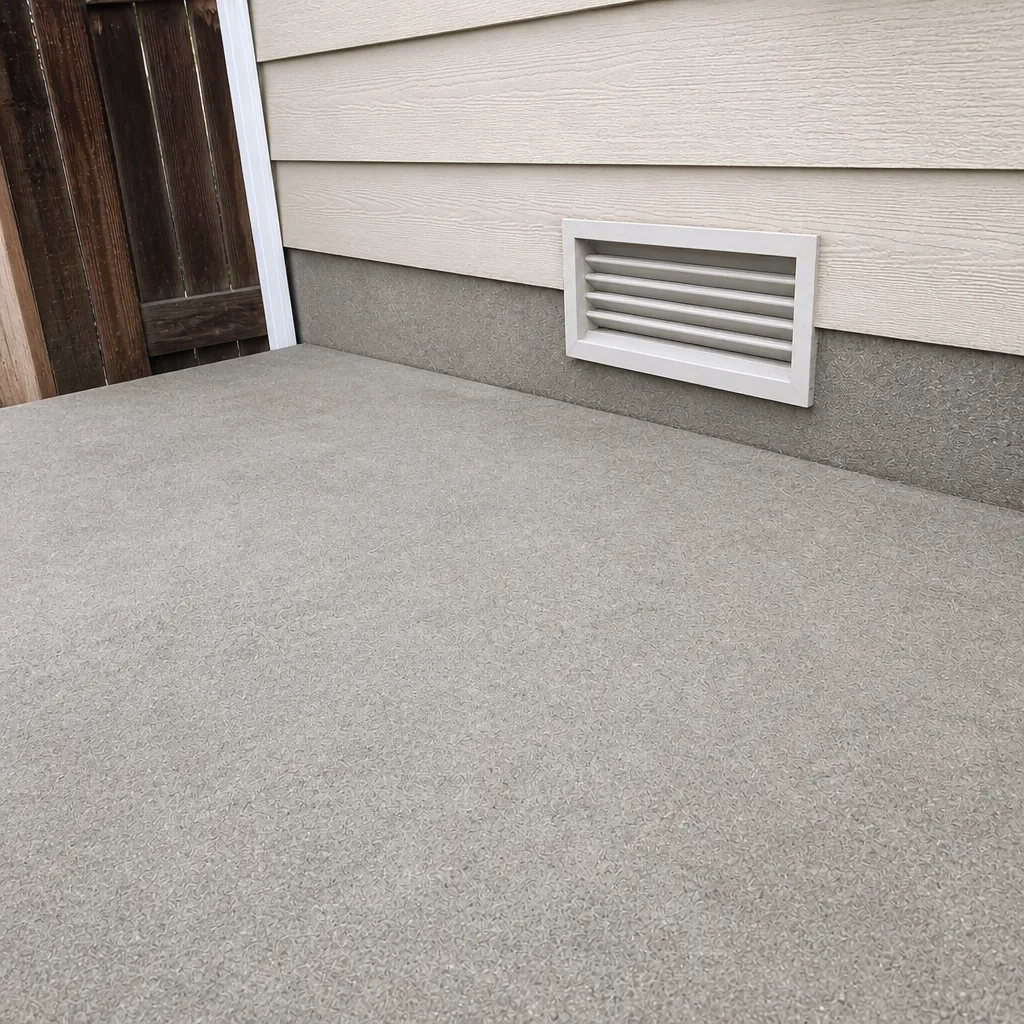
Whole-system duct and dryer vent check with before-and-after photos - you see exactly what came out of your vents
That "$99 whole-house special" is a bait ad - the real number appears once they are in your hallway, or the "clean" is a shop-vac at the register. We photograph the inside of your ducts before and after instead.
Air Duct Cleaning Maintenance Schedule: What to Do and When
The most common piece of duct maintenance advice in circulation is “every three to five years,” and it’s a rule that was built for a different climate than ours. The EPA’s guidance was drafted broadly, without reference to the San Joaquin Valley’s particle pollution, which in many months ranks among the worst in the country. Our air carries a heavy load of agricultural dust, orchard and field particulate, and seasonal smoke that a homeowner in a wetter, greener region never deals with. So a fixed calendar interval is the wrong tool. This guide replaces it with a schedule built from the variables that actually drive how fast ducts load up: home age, pets, duct material, renovation history, and outdoor air quality. You’ll leave with a cadence you can actually follow, a task list by timeframe, and trigger events that override the calendar entirely.
Quick Answer
In Modesto, most homes need professional air duct cleaning every 2 to 4 years rather than the generic 3-to-5-year figure, and homes with pets, smokers, recent renovation, or allergy sufferers inside should plan on every 1.5 to 2 years. On top of that baseline, dryer vent cleaning belongs on an annual cadence no matter what your ducts are doing, and post-event triggers (wildfire smoke, rodent intrusion, water damage near duct runs) should push the next cleaning forward regardless of the calendar.
Styles & brands we work with
- Whole-home duct cleaning
- Dryer vent cleaning
- Camera inspection
- Sanitizing & deodorizing
Table of Contents
- Why the Standard 3-to-5-Year Rule Doesn’t Fit Modesto
- The Variables That Shorten Your Interval
- Your Schedule Matrix: Baseline and Adjustments
- What Belongs on a 6-Month Cadence
- What Belongs on an Annual Cadence
- What Belongs on a 3-Year Cadence
- Dryer Vent Cleaning: Annual, No Exceptions
- Event Triggers That Override the Calendar
- How to Log Duct Condition After Each Service
- Common Mistakes to Avoid
- When to Call a Professional
- Frequently Asked Questions
Why the Standard 3-to-5-Year Rule Doesn’t Fit Modesto
The three-to-five-year recommendation assumes a fairly clean outdoor air supply and a home that isn’t constantly pulling new particulate into the return side. Neither assumption holds in the Central Valley. Modesto sits in a basin where agricultural dust, diesel particulate from the Highway 99 corridor, and winter wood smoke all concentrate close to the ground, especially during inversion conditions in the cooler months. That’s the air your HVAC system is pulling through the return grilles every time it runs. A house on the valley floor with the same square footage and the same family size as a house in a coastal city will typically load its ducts faster, simply because more material is available to enter.
There’s a second Modesto-specific factor: the housing stock. A large share of the city’s homes were built in the mid-twentieth century, and older ductwork in those homes is more likely to be the original rigid metal or a later flex retrofit, both of which tend to have more seams, joints, and low spots where dust settles and stays. Newer construction in areas like Village One or the neighborhoods off Pelandale tend to run tighter and cleaner, but they bring their own issues with undersized returns. The point isn’t that old is bad and new is good. It’s that the interval has to be set per house, not per year on a wall calendar.
That’s why when we talk to homeowners about air duct cleaning in Modesto, the first questions aren’t about square footage. They’re about what kind of ductwork is in the attic, how many pets are shedding into the returns, and whether anyone in the house wakes up congested. Those answers build the schedule. The EPA figure is a starting reference, not a plan.
The Variables That Shorten Your Interval
Each of the following factors on its own pulls your cleaning interval shorter than the baseline. Stack two or three and you’re often looking at a yearly or near-yearly cleaning rather than every three years. It’s genuinely that simple – this isn’t a marketing pitch dressed up as a schedule. The contamination is real and measurable in what comes out of the system.
Pets
One cat or dog adds measurable hair and dander to the return air stream. Two large double-coated dogs in a valley home is a different order of magnitude. If you have multiple shedding pets, we generally recommend a professional cleaning on a 1.5-to-2-year cycle with a homeowner vacuum of the return grilles in between.
Smokers in the home
Indoor smoking deposits tar and fine particulate on duct surfaces in a way that ordinary dust doesn’t. Ducts from a smoking household often need cleaning at the shorter end of the schedule, and the residue is harder to dislodge with anything less than rotary agitation and negative air containment.
Recent renovation or remodeling
Drywall dust is the worst offender for duct systems because it’s fine, it’s alkaline, and it travels. Any renovation that generated significant drywall dust – a kitchen remodel, an added bathroom, a wall removal – should be followed by a professional cleaning within a few weeks of dust settling, not folded into the routine calendar. Don’t wait for your scheduled date.
Allergy or asthma sufferers in the household
If anyone in the home has respiratory sensitivity, the interval shortens regardless of what the ducts look like from outside. The reason is that the return side recirculates whatever’s in the ducts several times a day.
Duct material and condition
Flex duct with a loose inner liner, ducts with known tears, and older metal ductwork with deteriorated seams all trap material. Ducts that need repair should be repaired before or during cleaning, which is why we offer air duct cleaning as one part of a broader duct-health service that includes duct repair. Cleaning around a leak doesn’t solve the leak.
Number of occupants and HVAC runtime
A large family with a system that runs constantly in July moves more air, and more air means more particulate deposited over the same time span. Runtime matters as much as headcount.
Your Schedule Matrix: Baseline and Adjustments
Here’s how to build your own interval. Start with the baseline for a typical Modesto home and adjust downward for each variable that applies. This is a schedule tool, not a rulebook – if your house sits at the two-year mark, that’s your number.
- Baseline (no pets, no smokers, no renovation, no allergies, built after 1990): every 3 to 4 years.
- One shedding pet: every 2 to 3 years.
- Two or more shedding pets: every 1.5 to 2 years.
- Smokers in the home: every 2 years, and possibly sooner depending on volume.
- Recent renovation with drywall dust: once, shortly after the project, plus your normal schedule from there.
- Allergy or asthma in the household: every 1.5 to 2 years.
- Older home with original ductwork: 2 to 3 years, with a duct inspection at each service.
- Two or more variables stacked: yearly is not unreasonable, and often the right answer.
None of these intervals are set in stone. They’re a starting point we use for planning, and the actual condition of your ducts when a technician gets eyes inside the system is the final input. That’s why inspection comes before cleaning – the schedule is a hypothesis and the inspection is the test.
If you’re in a neighborhood where the outdoor air is a heavier load – say, close to a busy agricultural corridor or an area that sees a lot of winter wood smoke – lean toward the shorter figure. Homes near the edges of town tend to see more agricultural dust than homes in denser residential pockets.
What Belongs on a 6-Month Cadence
Six-month tasks are almost entirely homeowner-doable. They’re the upkeep between professional visits, and doing them on time genuinely extends the interval before the next cleaning is warranted. Skip them and you shorten the professional cycle whether you meant to or not.
- Replace HVAC filters. Check them monthly during heavy-use months (July and August, and again in the winter heating season) and replace at least every 90 days. A filter that runs past loaded stops filtering and starts restricting airflow, which forces the system to work harder.
- Vacuum return grilles. Pull the grille covers on the returns and vacuum the visible dust and hair off the grate with the brush attachment. This is the single highest-value 10-minute task on the list.
- Check supply register airflow. Walk the house and put your hand over each supply register. Weak airflow at one register often means a disconnected or crushed duct, not just a dirty system. Note which registers feel weak so you can tell your technician.
- Inspect visible ductwork in the attic or crawlspace, if accessible and safe. Look for disconnected joints, torn flex liner, or sagging runs. Don’t crawl into tight spaces you can’t safely navigate – just what’s visible from a safe access point.
- Clear obstructions at returns. Furniture, rugs, and storage boxes pressed against return grilles choke the system. Five minutes of moving things matters more than it sounds.
- Note any new smells or dust patterns. A new musty smell near a register, or fresh dust streaking on the wall above a grille, is information worth recording for the next service visit.
If your home has an Aprilaire or Honeywell filtration or air quality component, the six-month cadence is also when you check those. Media filters and UV or filtration components have their own replacement intervals, and they’re easy to forget between HVAC tune-ups.
What Belongs on an Annual Cadence
The annual list includes the one item that should never be rescheduled: dryer vent cleaning. It also includes the maintenance tasks that keep the rest of the system honest.
Dryer vent cleaning
Every year, without exception, regardless of whether the ducts are due for cleaning. Lint accumulation in a dryer vent is the leading cause of residential dryer fires, and that risk builds every time the dryer runs. The interval doesn’t stretch with lower laundry volume the way you might expect.
Dryer vent exterior inspection
While the technician is on the dryer vent, the exterior termination should be checked for a functioning backdraft damper, correct clearance from the building, and no lint cap or screen blocking flow. A stuck damper or lint-clogged termination is a common find and an easy fix.
HVAC tune-up
An annual HVAC service visit keeps the blower, coils, and drain line in shape. Duct cleaning is not a substitute for HVAC service, and HVAC service is not a substitute for duct cleaning. They’re separate jobs on the same system.
Return grille deep clean
Once a year, remove the return grille covers entirely, wash them, and vacuum the duct throat visible behind them. A shop vac with a brush attachment handles this. Reinstall and seal any loose clips.
Duct condition note-taking
Do a visual pass through the accessible ductwork and update your log (more on this below). Any new damage you spot is worth flagging for a duct repair conversation rather than waiting for the next cleaning.
Dryer vent work is a standalone safety service and we treat it that way – it’s one of the three core services we perform alongside air duct cleaning and air duct repair. If you’re scheduling it separately from your duct cleaning, that’s normal and correct.
What Belongs on a 3-Year Cadence
Three-year items are professional-only for the most part. This is where you get the system cleaned with the equipment that actually reaches the duct surfaces.
- Full professional duct cleaning. A complete cleaning with rotary brush agitation and negative air containment – on our side, that means Rotobrush systems and Nikro negative-air machines, the same professional-grade equipment used on commercial jobs. Consumer shop-vac work doesn’t compare.
- Camera or visual inspection of duct interiors. A technician should be able to show you before-and-after images of your own ducts, not stock photos. Ask for that.
- Duct repair evaluation. Any disconnected joints, crushed flex runs, torn liners, or deteriorated sealant found during cleaning should be documented. Some get repaired during the visit, some warrant a separate repair job.
- Blower and evaporator coil condition check. A dirty blower wheel and a fouled evaporator coil are downstream symptoms of dirty ducts. Cleaning the ducts without addressing these is half the job.
- Containment-grade cleaning when indicated. For homes with significant contamination, rodent history, or post-water-damage ductwork, Abatement Technologies containment equipment is used to control the work environment.
- Air quality system review. If you’re running Aprilaire or Honeywell air quality components, this is the visit to review whether the filtration, humidity control, or ventilation side of the system needs adjusting.
For homes with shorter intervals – yearly or every 1.5 years – the professional cleaning lands on that shorter cycle instead. The three-year figure is the baseline, not a fixed number.
Dryer Vent Cleaning: Annual, No Exceptions
Dryer vent cleaning should happen every year regardless of how often your ducts are cleaned, because the contamination mechanism is different and the consequences are worse. Duct buildup degrades air quality and system efficiency over time. Dryer vent buildup is a fire risk that grows continuously with every load of laundry.
Lint accumulates in a dryer vent from the inside out. The flexible transition hose behind the dryer traps the first layer, the rigid run behind the wall traps the next, and the exterior termination traps whatever squeezes past. Standard flexible foil or vinyl transition hose loads faster than rigid metal, but all of it loads. The backdraft damper at the exterior wall, if present, can stick open or shut under accumulated lint, and either condition is a problem.
The warning signs that the vent is overdue are worth knowing because they show up before a fire does:
- Laundry taking noticeably longer than it used to dry
- The dryer cabinet feeling hot to the touch during a cycle
- A burning or musty smell when the dryer runs
- The exterior vent flap not opening during operation, or staying open after
- Visible lint accumulation around the exterior termination
Our dryer vent cleaning is a dedicated service, not an upsell bolted onto a duct cleaning. It’s one of the three services we do, and we schedule it on its own annual cadence. If the vent run is long or the dryer is in a tight interior closet, don’t cut the annual visit to save a step. That’s exactly the configuration where lint loading is worst.
Event Triggers That Override the Calendar
The calendar is the plan. Events override the plan. In Modesto, several triggers reliably push a cleaning forward, and it’s worth knowing them so you’re not waiting out a schedule that no longer fits the condition of your ducts.
Wildfire smoke events
The San Joaquin Valley gets wildfire smoke from fires across the state and beyond, on top of local agricultural burning. When smoke settles over the valley for days, the HVAC system pulls it into the ducts along with everything else. If a heavy smoke event passes through and you have respiratory-sensitive people in the home, move the next cleaning forward rather than waiting for the calendar.
Rodent intrusion
Rats and mice in the attic or crawlspace use duct runs as highways, and they leave droppings, nesting material, and hair inside the system. This is a same-month trigger, not a next-year trigger – and the cleanup requires containment-grade equipment, not a shop vac. Abatement Technologies containment systems exist for exactly this situation. Ducts with rodent contamination shouldn’t run while you wait.
Water damage near duct runs
A roof leak, plumbing failure, or HVAC condensate overflow into a duct run means wet insulation and liner, and moisture in a duct system feeds mold growth quickly. Any water intrusion into or near the ductwork should be followed by professional inspection and, if needed, cleaning and repair. This is the case where the ductwork is often damaged and needs repair, not just cleaning.
After a major renovation
As noted above, drywall dust warrants a cleaning within weeks of the dust settling. Don’t fold it into the next scheduled visit.
New home purchase
You don’t know the previous owner’s maintenance habits. When you buy a Modesto home, an inspection of the ducts and a cleaning if warranted is a reasonable reset point – and it gives you the baseline log you’ll want going forward.
How to Log Duct Condition After Each Service
The biggest inefficiency in duct maintenance is that each technician starts blind. If the previous cleaning was two years ago and the only record is a receipt, the technician is guessing. A written log, kept with the HVAC paperwork, changes that. Over a few service cycles it becomes a real diagnostic tool.
Here’s what to log after each service:
- Date and service performed. Cleaning, repair, dryer vent, or inspection. Note which technician or company, so future records are traceable.
- Duct material and inventory. Rigid metal, flex, or a mix. How many runs, roughly, and where they feed. If a technician gives you a count, write it down.
- Condition notes. Any torn liner, disconnected joint, crushed run, or seal failure that was observed. Note which were repaired and which were flagged for follow-up.
- Before-and-after imagery. Ask for photos of your own ducts, and keep them with the log. If a future technician can see what “clean” looked like two years ago, they can compare current condition rather than guessing.
- Equipment used. If the technician used rotary brush agitation and negative air containment, note it. If they used an air whip only, note that too – it’s relevant history.
- Filter and air quality component status. Filter MERV rating, Aprilaire or Honeywell component condition, and any recommended replacement dates.
- Dryer vent status. Separate line item. Cleaned or not, damper condition, any obstruction noted.
Keep the log somewhere obvious – a folder with your HVAC documentation, or a note on your phone. When you book the next cleaning, tell the technician the log exists. We use Guardsman protective finishing products at the end of the service, and knowing the history helps us choose the right approach to finish the system correctly for your house rather than treating every clean the same.
If you’re moving into a home in Modesto with no documentation, an initial inspection establishes your baseline. From there the log does the work.
Common Mistakes to Avoid
- Treating the three-to-five-year figure as gospel. That number was written for a general audience without regard to Central Valley particulate loads. Build the interval from your house’s variables, not from a slogan on a competitor’s website.
- Skipping dryer vent cleaning because the ducts aren’t due. The two services solve different problems on different clocks. Dryer vent buildup is a fire risk that grows every load, not a slower accumulation like duct dust.
- Hiring on the lowest quote without asking about equipment. A shop vac, a spinning brush on a drill, and some hose isn’t a professional cleaning. Ask what equipment the technician is bringing. If they can’t name it, that’s information.
- Skipping duct repair because “the cleaning is cheaper.” Cleaning around a disconnected joint leaves the leak in place. The leak is why dust keeps getting back in. Repair has to happen, and it should happen before or during the cleaning.
- Waiting out the calendar after a wildfire smoke event or rodent intrusion. Events override the schedule. Waiting a year after a smoke event or a rodent problem just means running a contaminated system for a year.
- Not keeping records. A cleaning without documentation is a job you can’t build a schedule from. Ask for before-and-after images and keep them.
- Replacing the HVAC filter less often than needed. In Modesto, with the particulate load and the runtime in the summer, the standard 90-day filter interval can be too long. Check monthly during heavy-use months.
When to Call a Professional
Bring in a professional when any of the following is true: you’ve had a wildfire smoke event severe enough that sensitive household members noticed it inside, you’ve seen signs of rodents in the attic or crawlspace, you’ve had water damage near a duct run, you’re noticing reduced airflow at multiple registers, there’s visible dust streaking near a return grille, or your dryer is taking longer than it used to and the exterior vent flap isn’t opening during operation. You should also call if it’s simply been longer than your interval and you’ve never had an inspection on the current system. We offer free estimates in Modesto – call (866) 256-3971. We answer 24/7. Fast dispatch from 7am to 7pm, Sunday through Friday.
Our technicians have up to 13 years of experience with the equipment that actually works on duct systems – Rotobrush rotary brush, Nikro negative air, and Abatement Technologies containment when the job needs it – and can give you an honest read on whether your system needs cleaning, repair, or neither. We work on the duct system, not just around it.
Frequently Asked Questions
Most Modesto homes need professional air duct cleaning every 2 to 4 years, with homes that have pets, smokers, recent renovation, or allergy sufferers inside planned at every 1.5 to 2 years. The standard 3-to-5-year figure most companies give out is a general baseline that doesn’t account for the San Joaquin Valley’s particulate load. Call (866) 256-3971 for an exact quote – estimates are free.
Cheaper quotes usually mean cheaper equipment. A shop vac, a spinning brush on a drill, or an air whip alone doesn’t dislodge material from the duct surfaces or contain what loosens. We bring professional-grade rotary brush systems and negative air machines on every job, and the price is set per job by the written estimate agreed before work starts, not by the vent. Call (866) 256-3971 for an exact quote – estimates are free.
Ask for before-and-after photos of your own ducts, and keep them with your records. A company that can’t produce images from inside your system after the cleaning is a company you should be suspicious of. Before-and-after imagery is standard on every cleaning we perform, and we log it so the next technician has a baseline. Call (866) 256-3971 for an exact quote – estimates are free.
Yes, every year without exception, because lint accumulation in the dryer vent is the leading cause of residential dryer fires and it builds continuously with every load of laundry. The interval doesn’t stretch just because you’re not doing a lot of laundry. Long vent runs and interior dryer closets need the annual visit most. Call (866) 256-3971 for an exact quote – estimates are free.
It can wait to the end of your planned interval, but not indefinitely. Even without allergy symptoms, dirty ducts force the HVAC system to work harder, and the fine dust sitting in the returns will keep recirculating. A post-wildfire-smoke cleaning is a common example of a case where waiting isn’t the right call regardless of allergy status. Call (866) 256-3971 for an exact quote – estimates are free.
Duct cleaning removes accumulated dust, hair, and particulate from inside the duct system. Duct repair addresses disconnected joints, crushed flex runs, torn liners, and failed sealant, which are the leaks that let new dust back in. Cleaning a system that needs repair is incomplete work, which is why we do both. Call (866) 256-3971 for an exact quote – estimates are free.
The Bottom Line
The right duct cleaning schedule for a Modesto home is shorter than the general guidance because of the local particulate load, and it’s different house to house because pets, duct material, renovation history, and allergy status all change the interval. Build your baseline from the matrix, run the six-month and annual homeowner tasks between visits, keep dryer vent cleaning on its annual cadence no matter what the ducts are doing, and let post-event triggers (smoke, rodents, water damage, renovation) push the next cleaning forward. Then log everything, so the next technician walks in with a history rather than a guess. Call Duct Cleaning Modesto at (866) 256-3971 for a free estimate. We answer 24/7. Fast dispatch from 7am to 7pm, Sunday through Friday.
Written by the team at Duct Cleaning Modesto.
See the difference
 Before
 After
 Before
 After
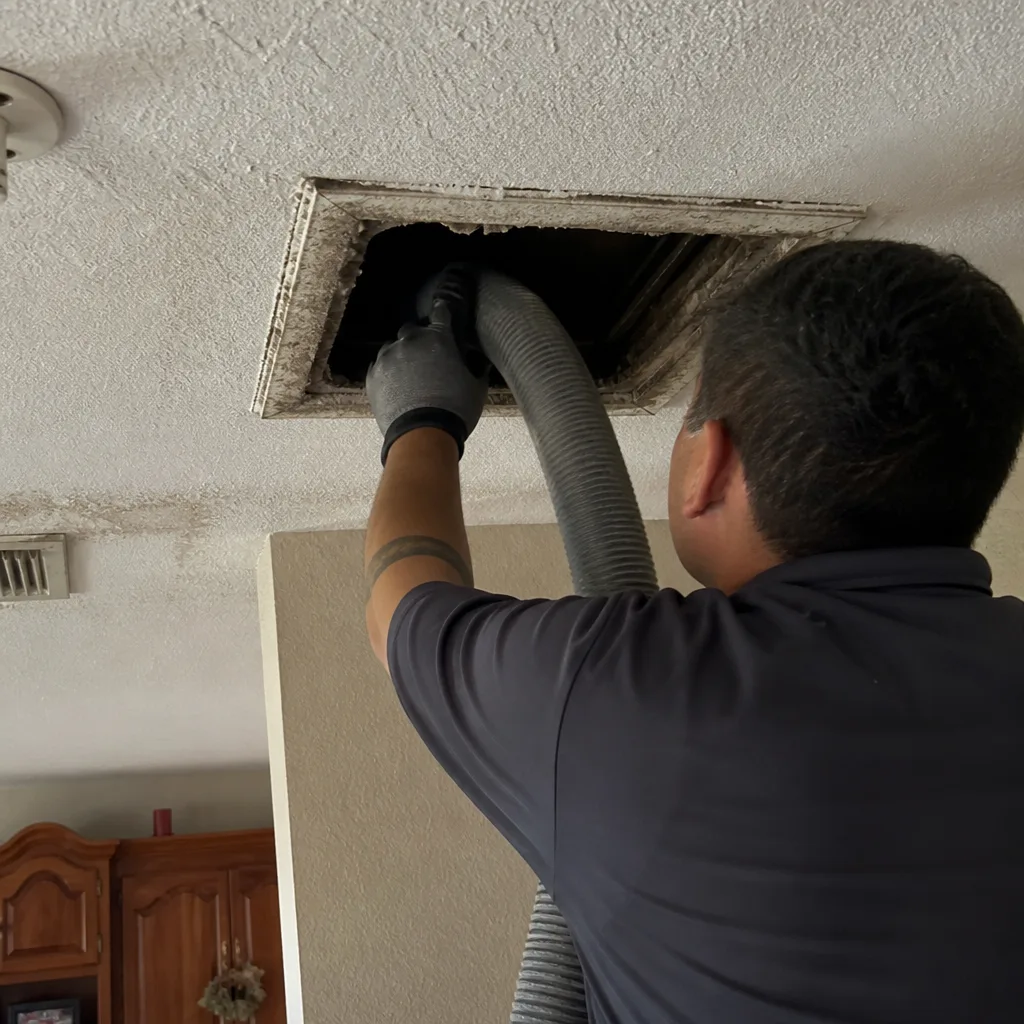 Before
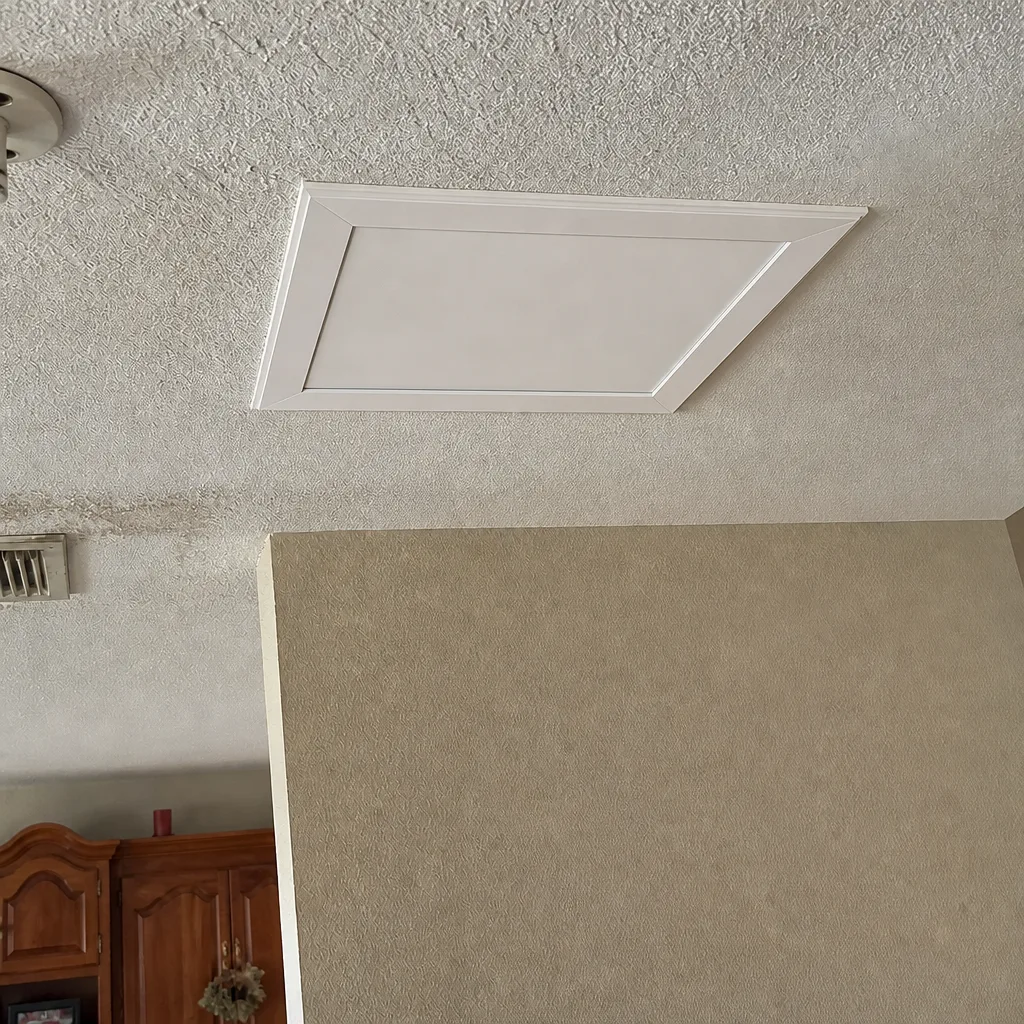 After